
When plans are canceled, a physical release often follows: shoulders drop, jaw unclenches, an involuntary exhale. This relief, often met with guilt, stems not from an emotional preference but a physiological one. Your nervous system expends significant energy preparing for social events - planning, rehearsing conversations, managing micro-anxiety. This is neuroception, as described by psychologist Stephen Porges, where the body scans for safety and threat, mobilizing for both social engagements and deadlines.

Social energy isn't just spent during an event; it's consumed in anticipation and post-event analysis. Anticipatory stress activates the same physiological pathways as the actual stressor. A cancellation doesn't eliminate a future cost but writes off a debt already accumulating. This relief is particularly acute for those who expertly perform stability in public. Their constant monitoring of social cues and emotional states, a learned behavior from childhood, adds a significant metabolic load to every interaction. The relief is the cessation of this performance.
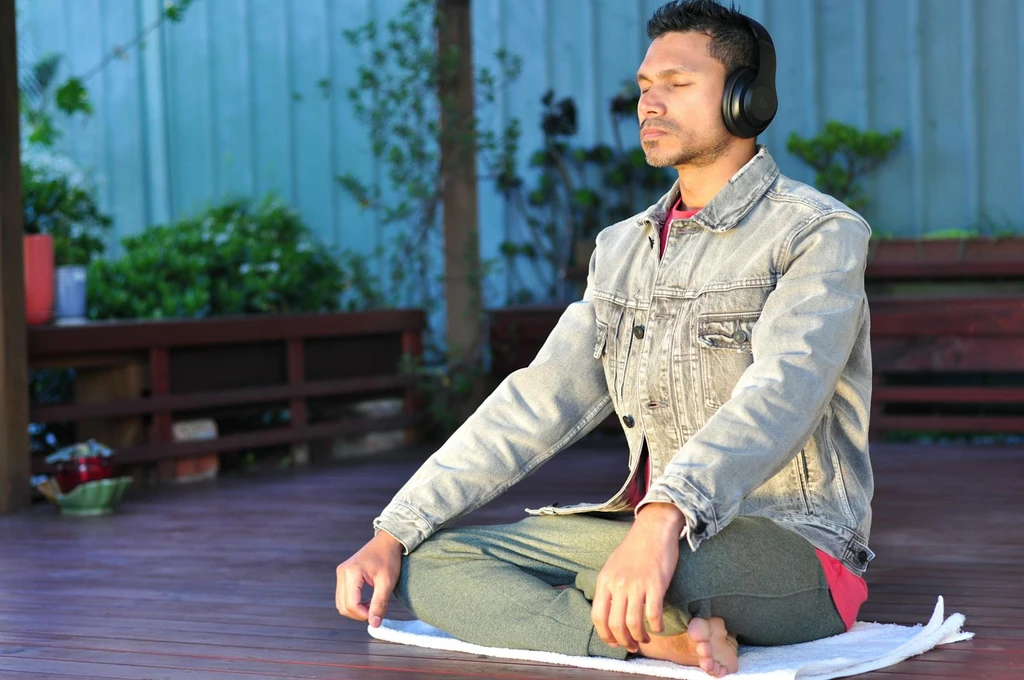
The guilt over this relief becomes another stressor, creating a cycle where self-judgment consumes the intended rest. Your body's reaction signals an imbalance in mobilization versus rest. A truly well-resourced nervous system would register a canceled plan as minor disappointment, not a reprieve. Modern life often activates stress responses without allowing for their completion. Canceled plans offer a rare moment for the stress cycle to resolve, allowing the body to down-regulate.
The key question isn't "Am I antisocial?" but "What would my life need to be for me to genuinely look forward to plans?" This might involve structural changes like fewer commitments or more buffer time, or deeper shifts in how one performs in relationships and monitors conversations. The relief experienced is data indicating a nervous system that is tired of bracing. It requires space and recalibration, not pathologizing or pushing through with productivity hacks. Listening to this physiological signal allows for building a life where the default state is calm, not bracing for survival.