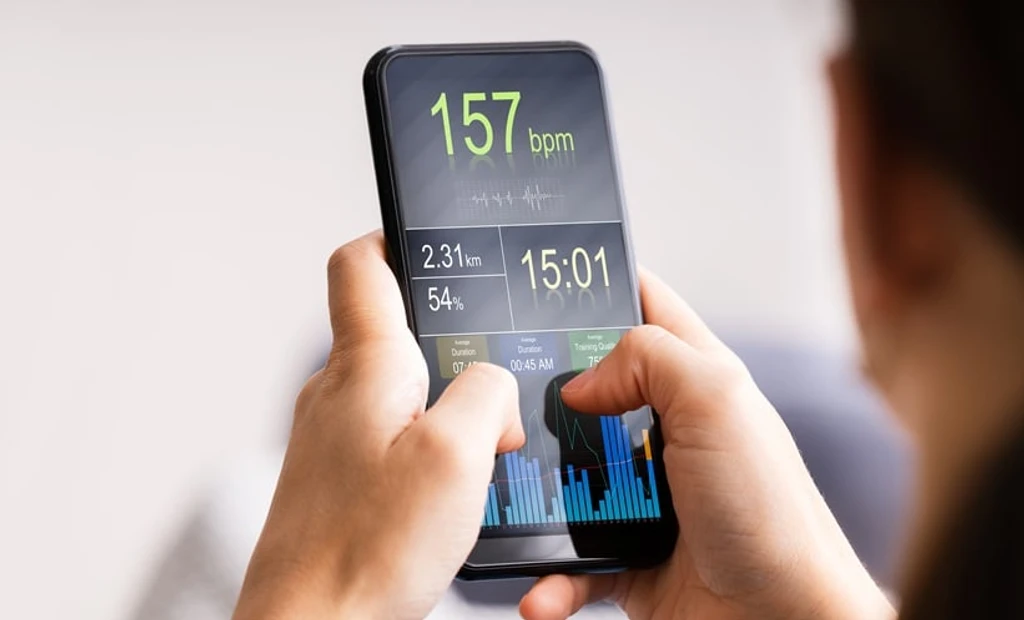
Pre-procedure smartphone monitoring has driven a sharp decline in same-day cancellations for cardioversion treatments, according to findings from the SMARTBEATS randomized clinical trial in Sweden. The study addresses a costly inefficiency in arrhythmia care, where patients often arrive for scheduled procedures only to have spontaneously converted to normal sinus rhythm.
Researchers tracked 206 patients with persistent atrial fibrillation or flutter between 2022 and 2025. The intervention group used smartphone-based photoplethysmography (PPG) to monitor heart rhythms daily for one to two weeks prior to treatment. This optical technology measures blood volume changes to detect irregularities, while also prompting adherence to anticoagulation therapy.
The results were decisive. Same-day cancellations dropped to 4.8% in the monitored group, compared to 23.2% in the standard-care control group. Crucially, cancellations due to spontaneous conversion fell from 18.2% in the control group to just 1.0% among those using smartphone diagnostics.
Johan Engdahl, Professor of Cardiology at Karolinska Institutet, highlighted the accessibility of this digital intervention. With 99% of participants owning smartphones despite a median age of 70, the technology offers a scalable solution to reduce unnecessary hospital visits and optimize resource allocation. Future research will explore its efficacy in detecting previously unknown atrial fibrillation.