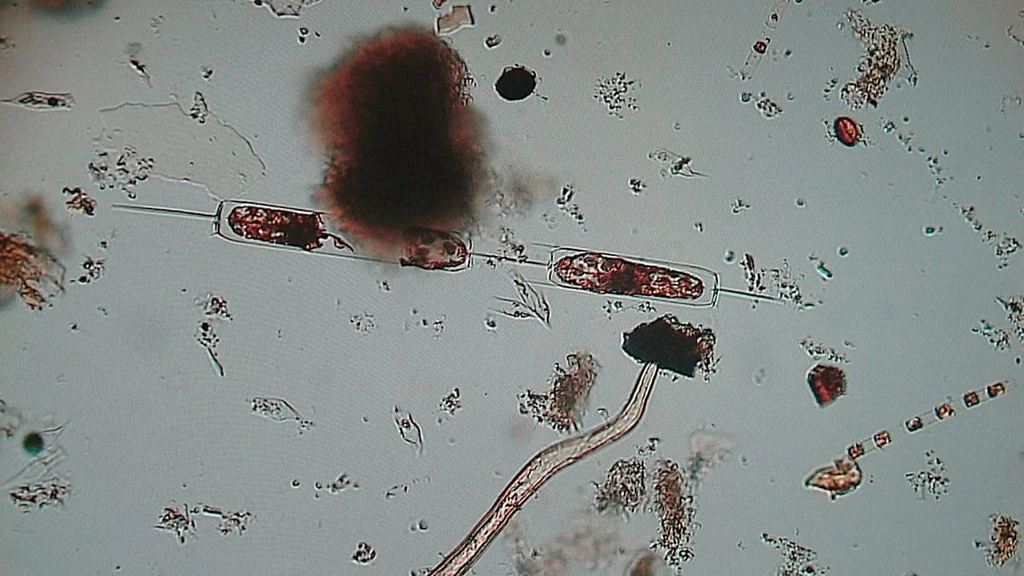
The term 'flesh-eating bacteria' covers two distinct pathogens causing necrotising fasciitis: Vibrio vulnificus, a marine bacterium, and Group A Streptococcus pyogenes. Their transmission and risk profiles differ significantly.
Vibrio vulnificus thrives in warm, brackish waters and enters the body through open wounds or contaminated seafood. It is particularly lethal for vulnerable populations, with a one-in-five fatality rate for severe infections.
Streptococcus pyogenes spreads via respiratory droplets or skin wounds. Its severe form, streptococcal toxic shock syndrome, carries a roughly 30% mortality rate and has seen a striking global increase.
Recent outbreaks are concentrated in specific regions. The U.S., particularly Florida and Louisiana, has documented over 2,600 Vibrio infections since 1988. Japan recorded a record 977 STSS cases in the first half of 2024 alone.
Europe faces a growing marine risk. Average annual Vibrio infections tripled during the 2018 heatwave. The Mediterranean is considered highly vulnerable.
Rising sea surface temperatures are the primary driver. Vibrio bacteria thrive between 20°C and 35°C, conditions now expanding to higher latitudes. European sea temperatures are rising faster than the global average.
Health authorities, including the European Food Safety Authority, project these bacteria will become more prevalent in seafood and coastal areas due to climate change. The economic impact on tourism is also significant.