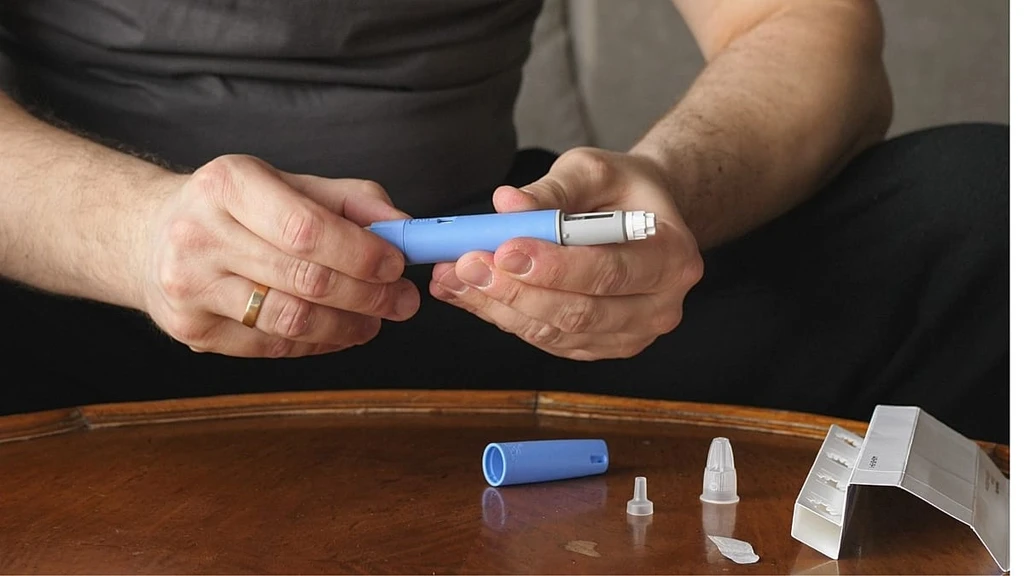
A new study indicates weight-loss drugs can aid recovery from heart attacks. GLP-1 drugs, already used for type 2 diabetes and weight management, may prevent further tissue damage and reduce post-surgery complications.
"In nearly half of all heart attack patients, tiny blood vessels within the heart muscle remain narrowed, even after the main artery is cleared during emergency medical treatment," stated lead author Svetlana Mastitskaya of Bristol Medical School.
Research published in Nature Communications suggests GLP-1 agonists can prevent "no-reflow," a condition where blood cannot reach parts of the heart. Experiments in rodents and human heart cells showed these drugs improve blood flow by activating potassium channels and relaxing pericytes, which are muscle cells surrounding heart blood vessels. This allows constricted vessels to dilate, lowering the risk of heart damage.
GLP-1 receptor agonists mimic the natural GLP-1 hormone, helping individuals feel full longer and regulating appetite and blood sugar.
Previous studies have linked GLP-1 medication use to a reduced risk of cardiovascular events like heart attack and stroke. In 2024, the FDA approved Wegovy, a semaglutide-based GLP-1 drug, for this purpose. Notably, these cardiovascular benefits appear independent of the amount of weight lost.
Researchers suggest GLP-1 drugs may reduce heart risks by decreasing inflammation, improving blood pressure, lowering cholesterol and other blood fats, and supporting blood vessel health.
However, experts emphasize that lifestyle remains crucial for heart health. A Harvard University study found that weight-loss drugs provide amplified heart benefits for type 2 diabetes patients when combined with a healthy lifestyle, including diet, exercise, adequate sleep, and stress management.