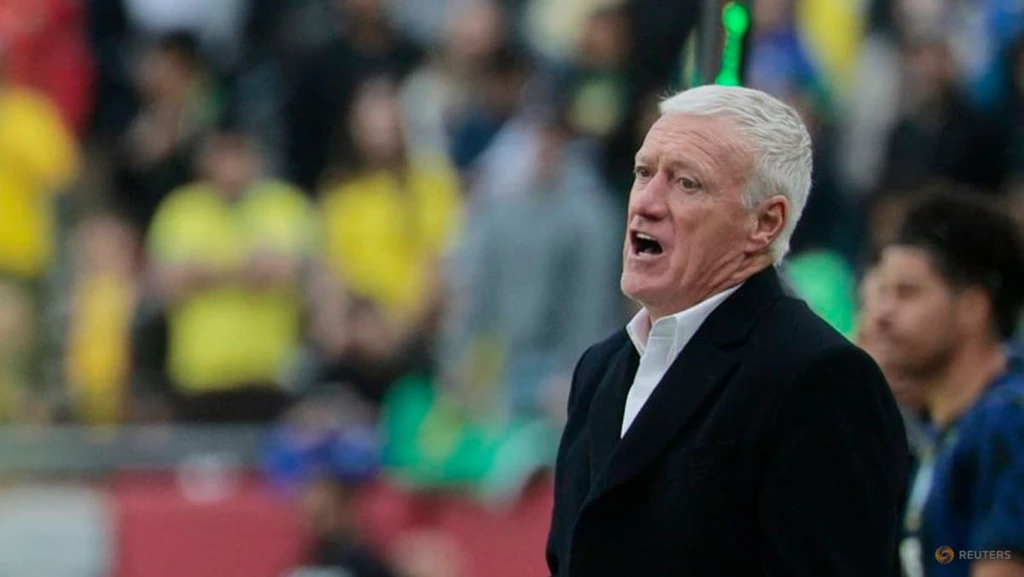
For France coach Didier Deschamps, the 2026 World Cup isn't just another tournament-it's the closing chapter of a legendary managerial career. He has confirmed he will step down after the finals in the United States, Canada, and Mexico, ending a tenure that began in 2012. Under his leadership, Les Bleus won the 2018 World Cup, the 2021 Nations League, and reached the 2022 World Cup final. He also captained France to their first global crown in 1998, securing his place in football history.
Deschamps has never been universally loved in France. His pragmatic style, conservative selections, and control-oriented approach have drawn criticism, especially after a lackluster Euro 2024 campaign. Yet his record speaks for itself: tournament football is about survival, balance, and winning key moments.
Kylian Mbappe Leads the Charge
France enter the finals with Kylian Mbappe as the focal point. Alongside Ballon d'Or winner Ousmane Dembele and PSG talents Desire Doue and Bradley Barcola, the squad boasts elite unpredictability. Mike Maignan anchors the goal, William Saliba, Ibrahima Konate, and Dayot Upamecano form a formidable defense, while Aurelien Tchouameni and Adrien Rabiot provide midfield power.
This campaign carries an emotional weight, as Zinedine Zidane looms as the likely successor. France's draw-Group I with Senegal, Norway, and Iraq-presents real danger. Senegal's 2002 upset over France remains a shock, and Norway's Erling Haaland poses a serious threat.
For Deschamps, this fits the narrative. He thrives on pressure and risk management. The question is whether his formula has one last surge. Even if they fall short, Deschamps leaves as a transformative figure. But winning again would elevate him beyond a national great to football immortality.