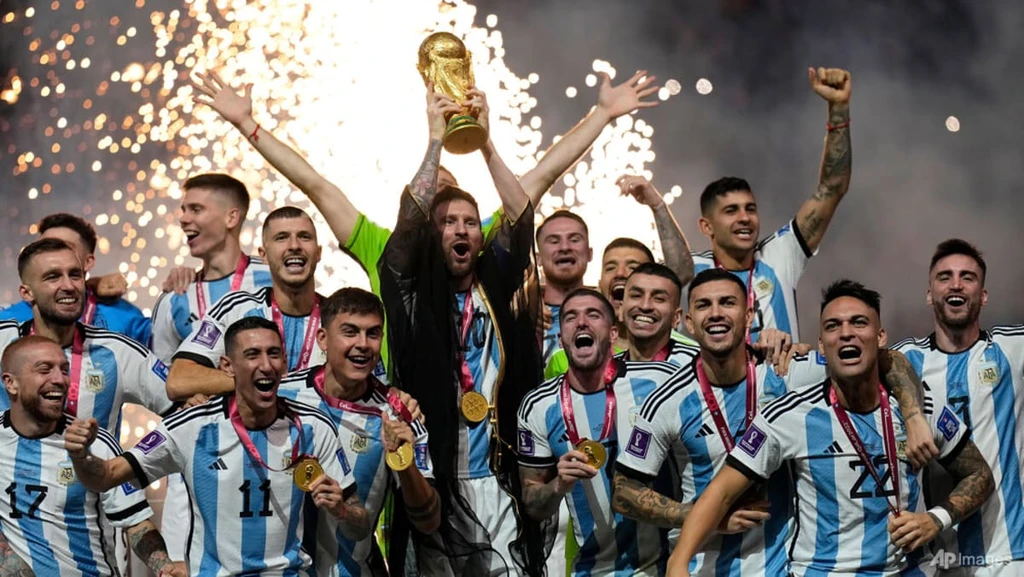
SINGAPORE - The wait is almost over for a historic World Cup. For the first time, 48 nations will compete, co-hosted by the United States, Canada, and Mexico. It's also the first final with a half-time show. But as the tournament opens with Mexico vs. South Africa, major questions remain.
Will More Teams Mean Better Entertainment?
FIFA President Gianni Infantino's expansion from 32 to 48 teams has divided opinion. Newcomers like Cape Verde, Curacao, Uzbekistan, and Jordan make their debuts, increasing diversity. However, critics question competitiveness. Recent friendlies saw Curacao lose 4-1 to Scotland and Jordan fall 4-1 to Switzerland. Can the underdogs truly compete, or will the heavyweights dominate?
How Will AFC Teams Fare?
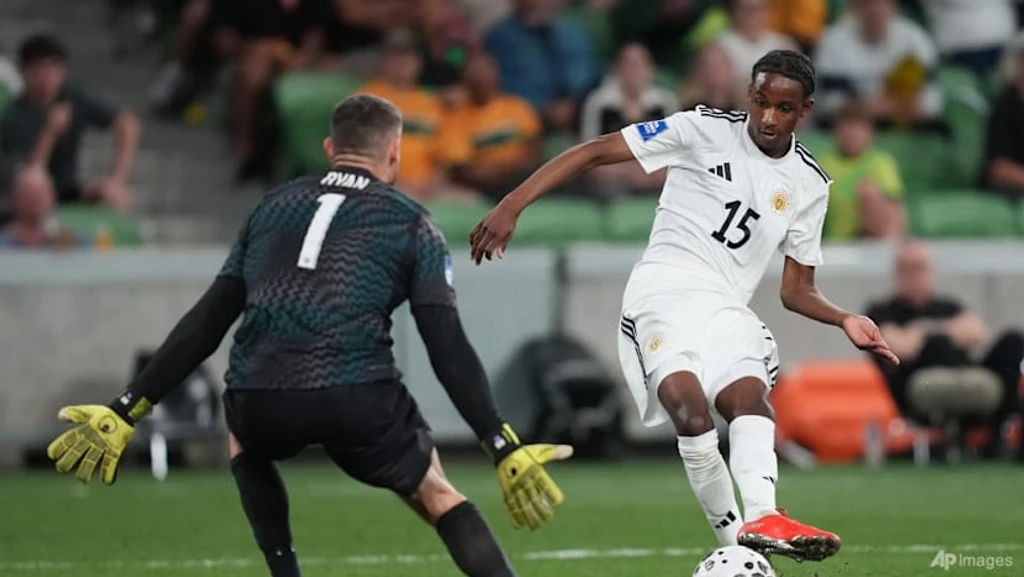
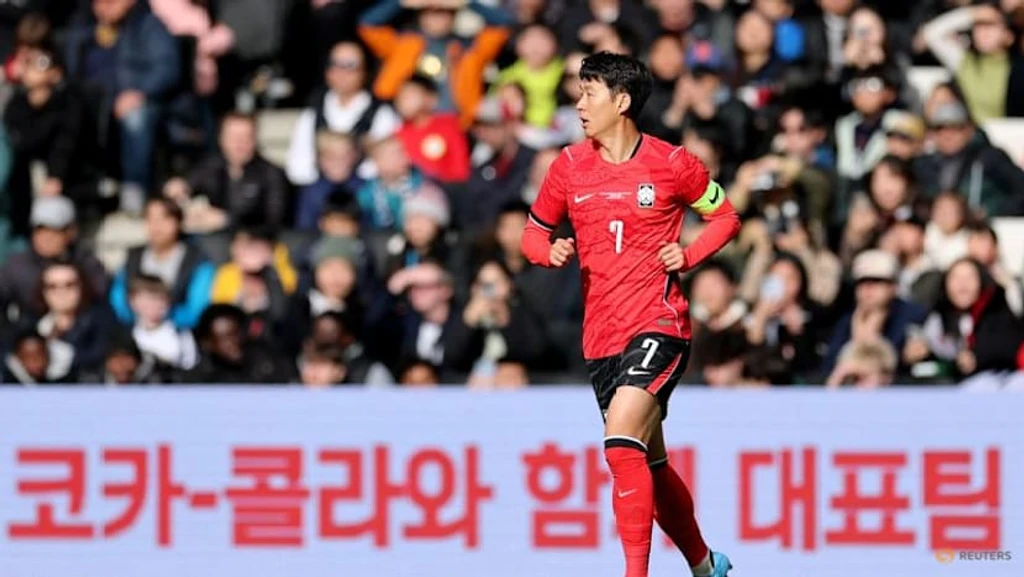
Four years ago, Saudi Arabia stunned Argentina, while Japan topped a group including Spain and Germany. This cycle, Japan and South Korea look strongest. Japan faces the Netherlands, Sweden, and Tunisia; a potential Round of 32 clash with Brazil looms. For Son Heung-min, this could be his final World Cup, carrying a South Korea squad through an open group.
Just How Hot Will It Be?
North American summer heat and humidity are a major concern. An analysis by World Weather Attribution found about a quarter of matches could exceed safety limits. Five matches might be played in conditions deemed unsafe. FIFA will implement mandatory three-minute hydration breaks every half to protect players.
Will Ticket Prices Come Down?
Dynamic pricing is a first. Category 1 group stage tickets, which cost US$220 in Qatar, now start at US$600 and often exceed US$1,000. Thousands of tickets remain unsold, including for the US opener against Paraguay. FIFA's resale platform and secondary markets are seeing some price drops.
What Will Tightened Security Look Like?
For security, the US FAA will ban drones over all match venues. Mexico will deploy nearly 100,000 security officers. Canada has allocated up to US$145 million for security. In Los Angeles, authorities have assured that no civil immigration enforcement will occur at games.