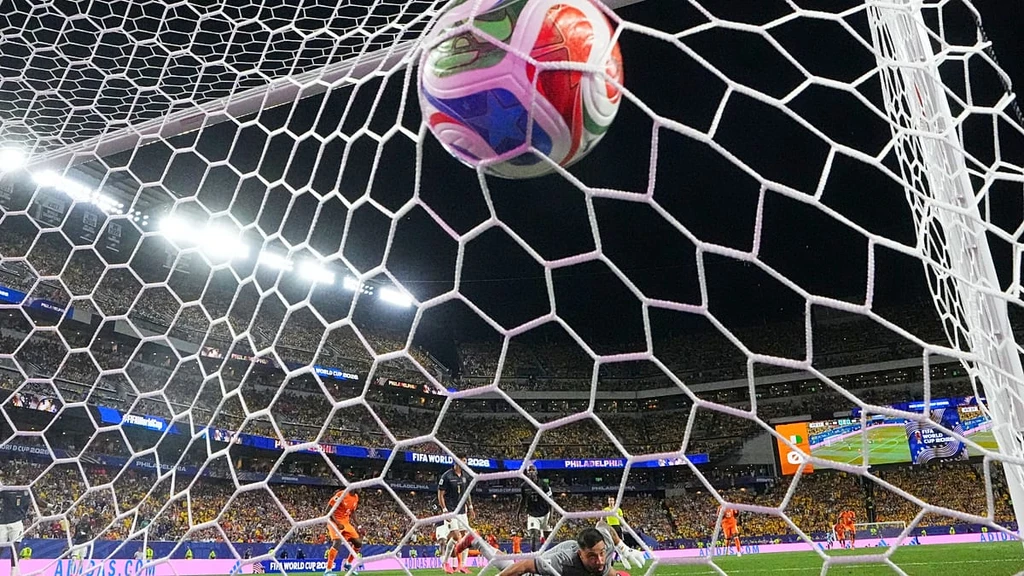
The 2026 World Cup, co-hosted by the U.S., Mexico, and Canada, is drawing sharp criticism for the most expensive tickets in the tournament’s history. FIFA introduced a dynamic pricing model for the first time, a system already entrenched in the U.S. market that adjusts costs based on demand.
This model pushed category 1 seats for the New Jersey final to $32,970 in May, after starting at $8,680. In contrast, equivalent tickets cost $1,100 in Russia in 2018 and $1,607 in Qatar. Following public backlash, FIFA allocated 130,000 tickets priced at $60 to national federations for their dedicated supporters.
FIFA President Gianni Infantino defended the strategy by comparing it to U.S. playoff games, citing an average ticket price under $500. However, data shows official NFL playoff tickets averaged $230 to $450, with Super Bowl seats around $3,300. The get-in price for the World Cup final on FIFA's resale site currently sits at $9,805.
Professor Simon Chadwick of Emlyon Business School called the comparison to U.S. leagues disingenuous, noting a fundamental difference between a global, country-based tournament and city-based franchise playoffs serving vastly different demographics.
Infantino also argued that lower prices would have enriched scalpers in the U.S.'s unrestricted resale market. Consumer rights groups reject this logic. "We're seeing tickets being sold at something over €2 million," said Olivia Brown of Euroconsumers, pointing out that FIFA takes a 30% cut from each resale, contradicting the claim that high prices stop profit from leaking outside the sport. She noted FIFA could have capped resale values at face value but chose not to.