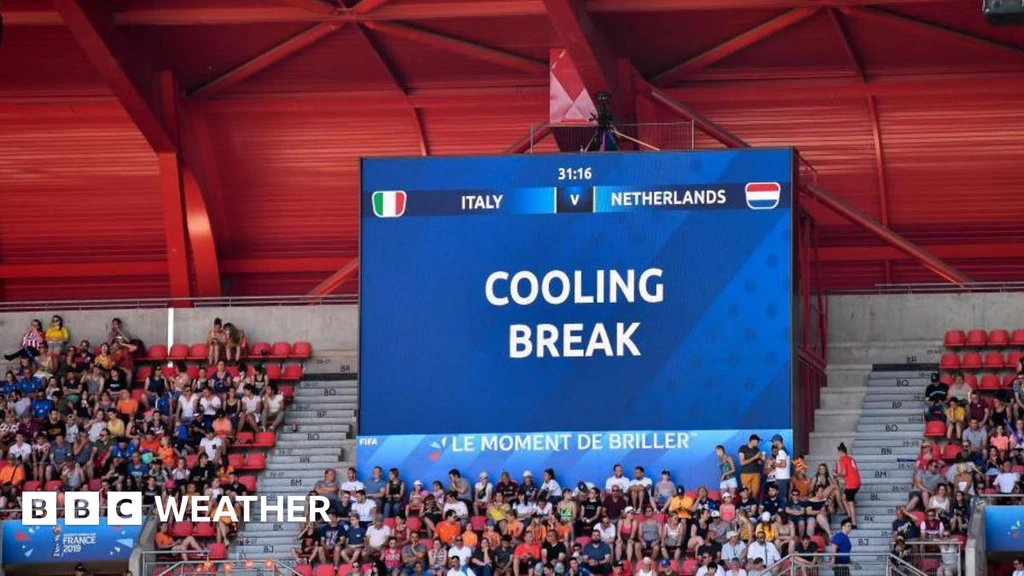
With just a month to go until the biggest football tournament in the world begins, attention is turning not just to the teams and venues, but to the weather.
Heat, thunderstorms and even poor air quality from wildfires are all features of summer across the United States, Canada and Mexico, where the tournament will be held.
FIFA has acknowledged the threat, introducing mandatory three-minute cooling breaks in each half. Scientists warn that 14 of the 16 host locations could exceed dangerous heat stress thresholds. Cities like Miami, Houston, Dallas, Monterrey, Kansas City, and Atlanta face the most extreme conditions.
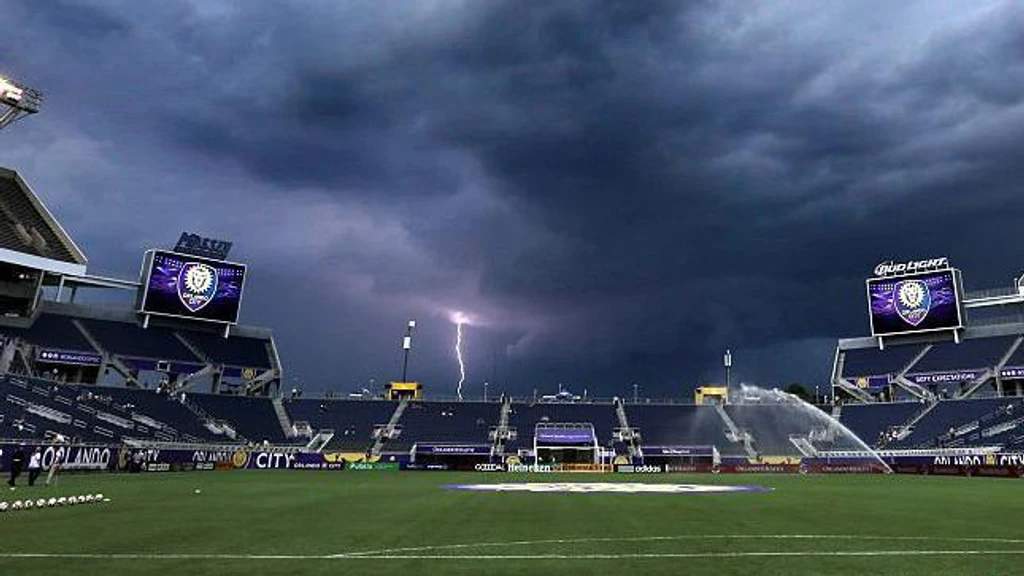
Thunderstorms pose the greatest risk for visible disruption. If lightning is detected within 10 miles of a stadium, play is suspended for at least 30 minutes. Last year's Club World Cup saw six matches disrupted, including a two-hour delay for a Chelsea-Benfica match.
Wildfire smoke also threatens air quality, as seen in Los Angeles and New York during recent seasons. There is no fixed FIFA threshold for air quality, leaving decisions to real-time conditions.
The World Cup final will be played July 19 at MetLife Stadium in New York, where a typical heatwave could push the Wet Bulb Globe Temperature into extreme stress territory.