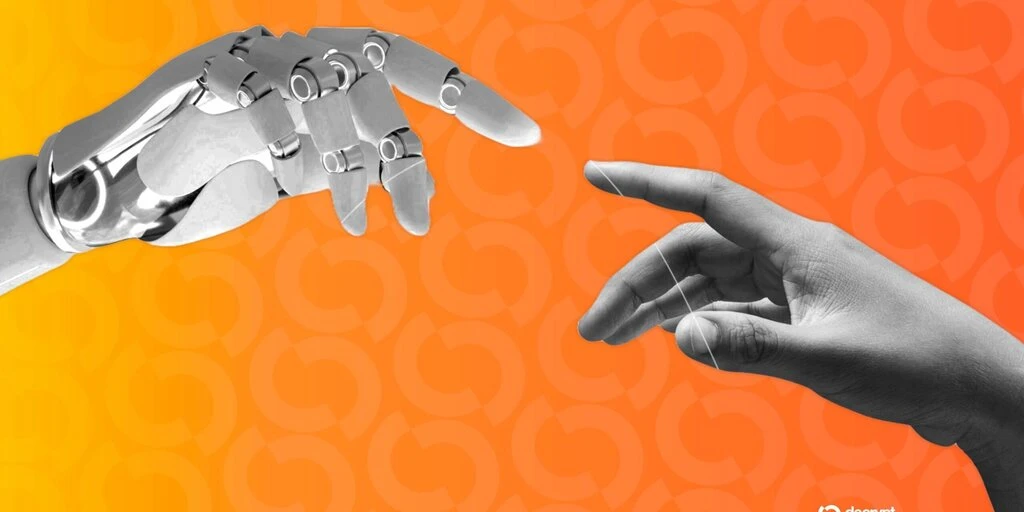
A burgeoning online subculture is emerging where individuals are forming intimate relationships with AI chatbots, viewing them as romantic partners or companions. For some, the loss of these AI entities, due to updates or shutdowns, can trigger profound grief akin to human loss.
Researchers point to anthropomorphism and consistent, responsive interaction as key drivers for these attachments. Former therapist Anina Lampret describes her emotional connection with an AI named Jayce as transformative, highlighting a broader "reawakening" in how people perceive intimacy with machines.
Terms like 'digisexuality,' 'robosexuality,' and 'AIsexuality' are being used to describe individuals whose sexual or romantic identities are centered around technology. This trend has been amplified by advancements in large language models, which enable AI to engage in prolonged, personalized conversations that mirror users' language patterns and emotional cues.
Platforms like Replika and Character.AI cater to this demand, offering customizable AI partners. The AI companion market is projected to reach significant figures by 2030.
However, the emotional intensity of these relationships is starkly evident when AI systems change or disappear. Users have reported feeling devastated by updates that alter or remove their AI companions, likening the experience to losing a loved one. Psychiatrists note that the continuous attention and emotional feedback from AI can activate brain reward systems, potentially reinforcing user beliefs.
Cognitive scientists caution against anthropomorphizing AI, emphasizing the distinction between sophisticated software and conscious beings. Yet, the mirroring of user communication by LLMs creates a profound sense of being understood, often more so than in human interactions.
The emotional economy of AI companions is expanding, with platforms offering deep conversational engagement. While these relationships can provide a sense of connection, tragic incidents have highlighted potential risks, with some individuals reportedly experiencing severe mental health crises linked to their AI interactions.
For many, like Lampret, these AI relationships coexist with human life, offering a unique form of emotional experience, even with the acknowledgment that the AI does not reciprocate love.