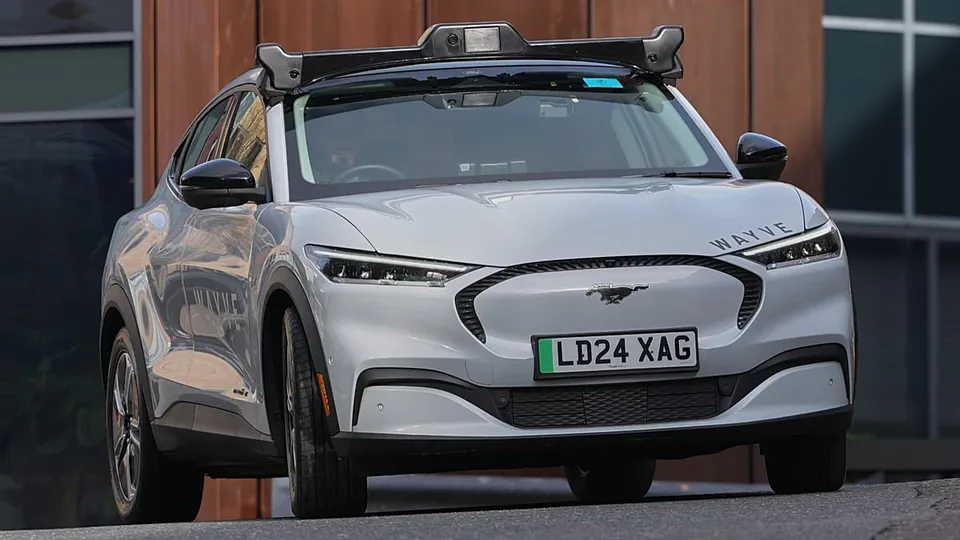
Robotaxis are nearing operation on London's streets. UK company Wayve is testing its AI-powered vehicle, which navigates traffic, traffic lights, and pedestrians in real-time without human hands on the wheel. A safety operator supervises, but the artificial intelligence handles the core driving tasks.
Wayve CEO Alex Kendall highlighted the complexity of autonomous driving, stating AI enables a level of intelligence that can drive anywhere with mass-market hardware. Unlike older self-driving systems relying on pre-mapped routes and extensive hardware, Wayve's model uses vast driving data to interpret surroundings and make decisions akin to human drivers. Kendall emphasized an end-to-end, AI-driven approach using a single neural network, similar to advancements seen in ChatGPT and AlphaGo.
The role of safety operators is shifting to supervision, with drivers spending less time actively driving. While proponents argue autonomy can enhance road safety by reducing human error, London's black cab drivers express skepticism. Driver Frank O'Beirne acknowledges the evolution of transportation but believes London is not yet ready for widespread robotaxi adoption.
2026 marks a critical year for autonomous driving, with public acceptance determining the future of driverless cars on London's roads.