Global brokerage Jefferies issued a stark warning on Circle (CRCL), advising investors against buying the recent dip in the stablecoin issuer's stock. The firm argues that rising competition from the new Open USD consortium, backed by giants like Stripe, Visa, Mastercard, and BlackRock, poses a lasting threat to USDC's market share.
Circle shares rebounded 5% Wednesday after a sharp 17% plunge. The sell-off was triggered by the announcement of Open USD, a consortium of over 140 financial and technology firms that plans to share reserve income with participants, potentially creating a more attractive alternative for payment providers.
Jefferies analysts stated that Circle, which holds about 25% of the stablecoin market, is entering a more competitive phase. While USDC benefited from its 2018 launch lead, new entrants now have the large built-in distribution networks Circle lacked early on.
The brokerage also highlighted a specific risk involving Coinbase, Circle's largest distribution partner, which is part of the Open USD consortium. Circle derives roughly 95% of its revenue from interest on USDC reserves and relies heavily on Coinbase. Their commercial agreement is up for renewal in August.
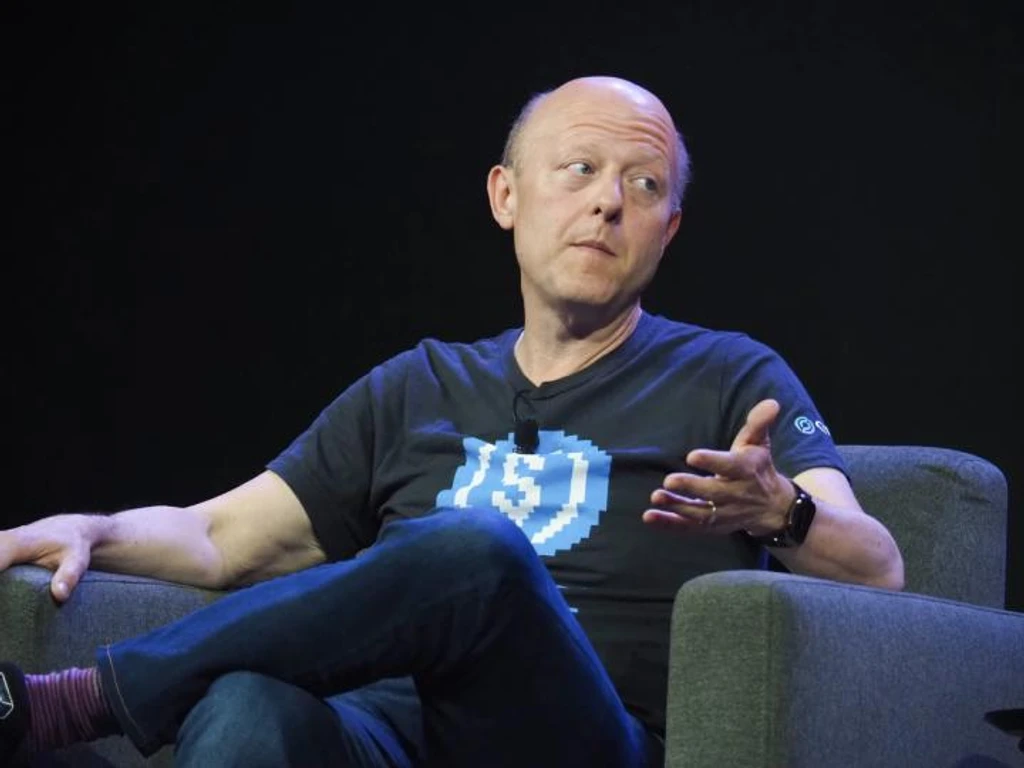
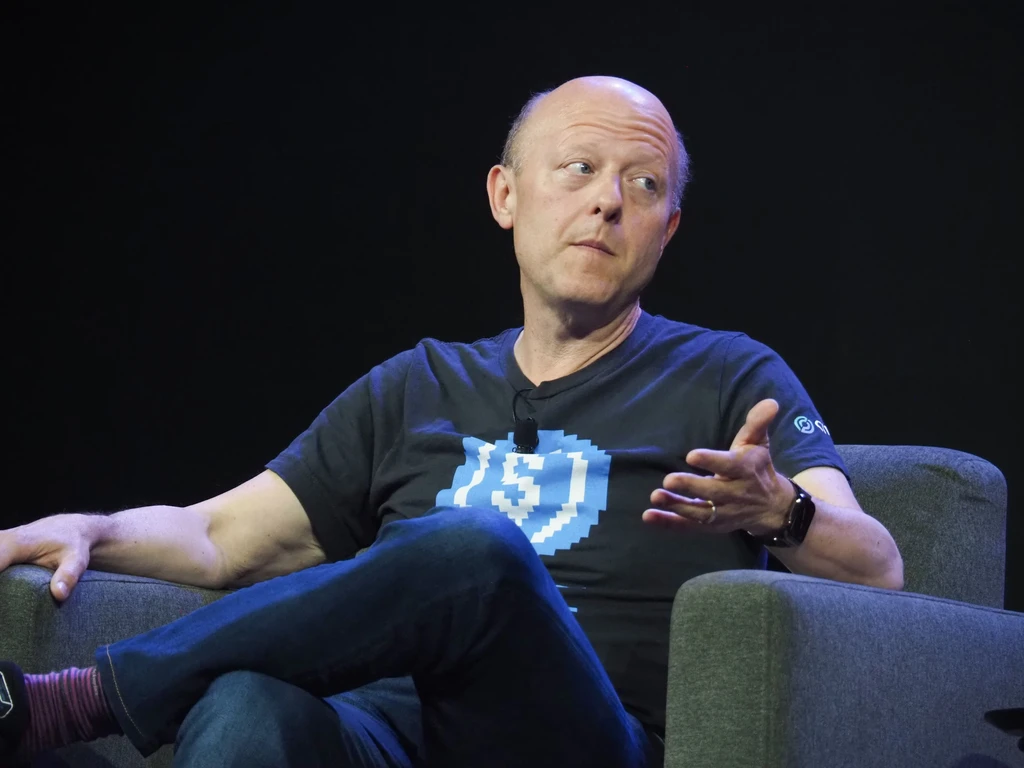
Circle CEO Jeremy Allaire pushed back against the competitive narrative. He argued that stablecoins are network businesses built over years, not products that can be replicated overnight. He pointed to USDC's ecosystem of thousands of integrations, deep liquidity, and global regulatory approvals as advantages difficult for newcomers to match.
Allaire was skeptical of the consortium model itself, stating that large groups of large companies coordinate poorly and rarely create durable innovation. Lorenzo Valente, director of digital asset research at ARK Invest, shared this skepticism, noting that consortium-backed initiatives often struggle to achieve scale due to misaligned incentives and slow decision-making.
Valente likened the model to decentralized autonomous organizations (DAOs), where governance can be cumbersome. He also questioned whether consortium members would remain committed if the project faces significant regulatory pressure.