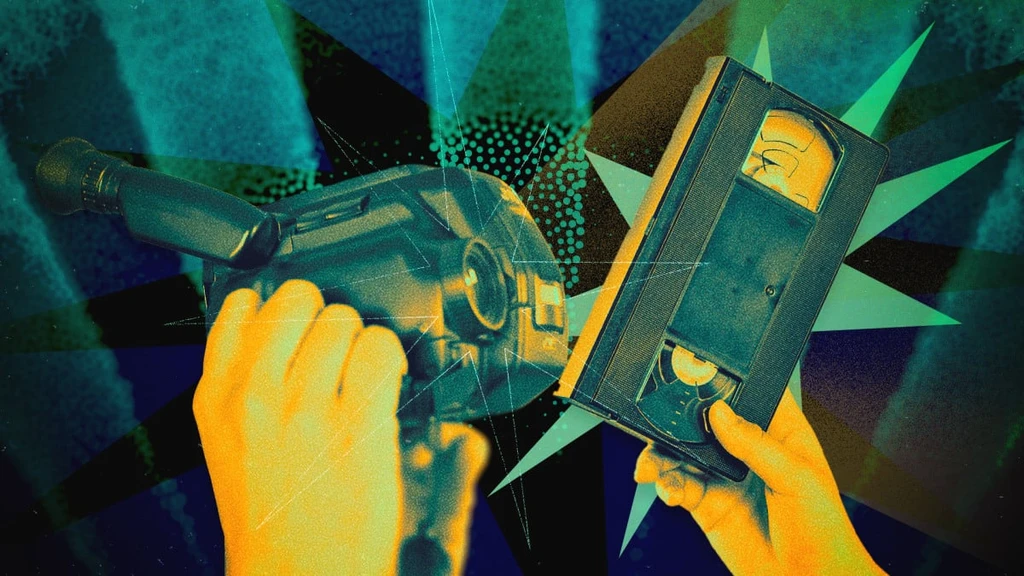
In 2026, analog camcorders are experiencing a quiet renaissance among collectors and creatives seeking tangible media and analog authenticity.
From VHS-C to Hi8 and 8mm formats, these vintage devices capture motion with a distinct, warm fuzziness that digital sensors can’t replicate. Families are rediscovering home videos shot on Canon ES50s and JVC models-devices once relegated to attics, now prized for their emotional resonance.
Finding working units on eBay remains straightforward. VHS-C camcorders start under $50; Hi8 models with tapes and adapters are similarly accessible. Walmart and thrift stores still stock blank 8mm and VHS-C tapes-physical media enduring beyond its obsolescence.
Playback requires connecting the camcorder via composite cables to a TV. Modern sets need inexpensive RCA-to-HDMI converters. But true preservation demands digitization: capture cards and OBS software let users convert analog footage to digital files-real-time, frame by frame-without outsourcing irreplaceable family memories.
Mini DV, though digital, retains analog charm through its tape-based workflow. Yet it’s the magnetic imperfections of VHS and Hi8-the grain, the color bleed-that define this movement.
This isn’t nostalgia for nostalgia’s sake. It’s a deliberate rejection of ephemeral digital clouds. In a world of algorithmic feeds, recording on tape is an act of sovereignty-capturing moments you own, not just stream.