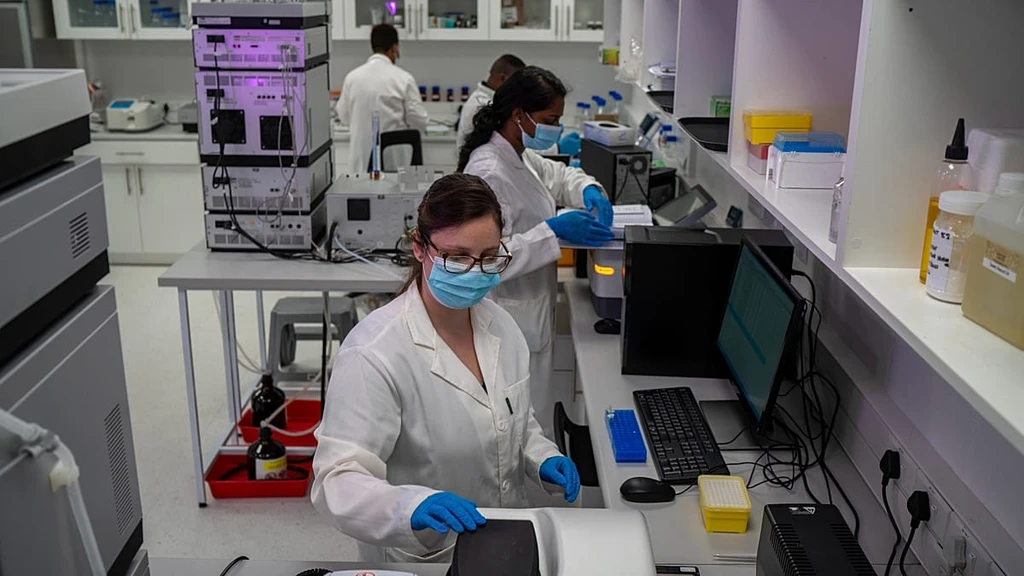
European women are significantly reshaping the health sector, pioneering advances from cancer diagnostics to vaccine development. Despite progress, women represent only 13.8 percent of inventors in Europe, a figure described as "stagnant" by Roberta Romano-Götsch of the European Patent Office.
Rochelle Niemeijer developed an AI-driven test for bacterial infections. Laura van't Veer's team created a gene-based breast cancer test to identify patients needing chemotherapy. Nobel laureate Katalin Karikó's mRNA modification research paved the way for COVID-19 vaccines and potential cancer therapies.
Women's research often targets specific health issues like endometriosis and menopause, areas historically understudied. Life sciences fields, including pharmaceuticals and biotechnology, show the highest female representation at over 30 percent.
The "leaky pipeline" phenomenon sees women's representation decline at higher career stages, leading to underrepresentation in leadership roles. Despite comparable inventive potential, women face systemic under-recognition, known as the "Matilda effect," where their contributions are often minimized or misattributed.
Closing these gender gaps is seen not just as an equality issue but a critical challenge for European competitiveness, promising access to broader talent and more robust innovation.