
A top academic in her 40s recently described what she calls 'brain lapse.' She struggles to follow TV dramas, loses conversation threads, and finds herself lost in her phone for 40 minutes after a single check. She is not alone.
Across a clinical practice, clients from teens to mid-50s report reduced memory, shortened attention spans, and lack of focus. Nearly all blame the same source: the smartphone. The attention economy is a business model designed by engineers and cognitive scientists to keep you scrolling.
Many clients spend six to eight hours a day on their phones, some exceeding ten. That is a full work week staring at a screen. They admit they would rather have a meaningful dinner or be present with family, but the compulsion overrides willpower.
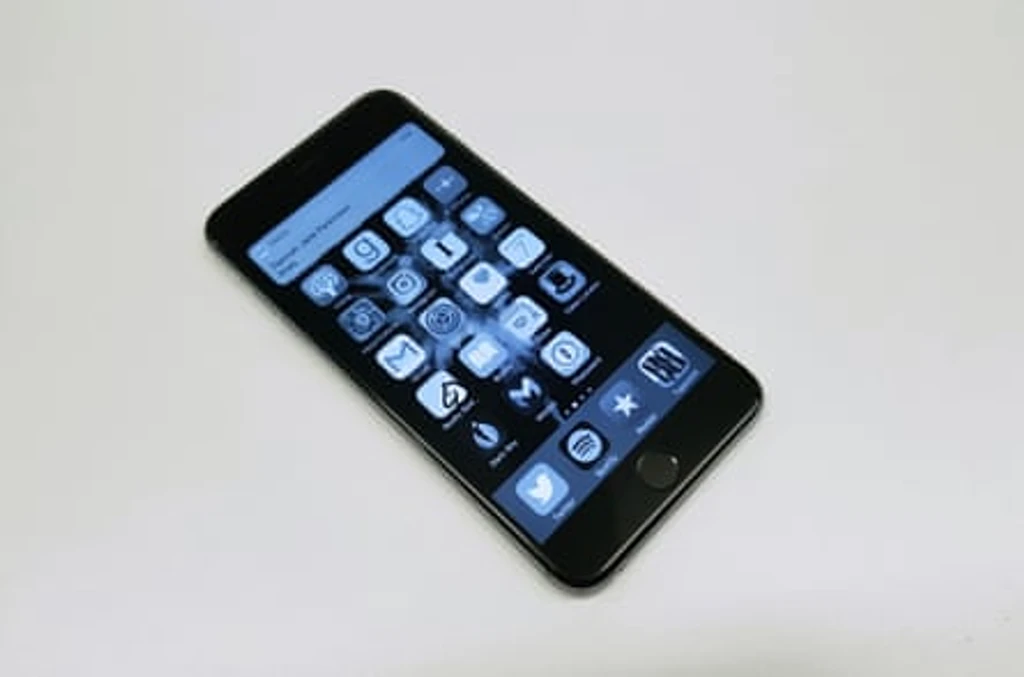
The way out is friction. Switching the phone to greyscale removes color-driven dopamine triggers, making the device feel boring. That pause gives the rational brain time to intervene. Other tactics: time-out apps, removing social apps from the home screen, keeping the phone in another room during meals, and turning off all non-human notifications.
Not all phone use is negative. The goal is to use the phone as a tool, not be used by it. The academic tried greyscale for three weeks. She read two books. She sat on her couch and turned pages without checking her phone. 'This is what I’ve been missing,' she said.