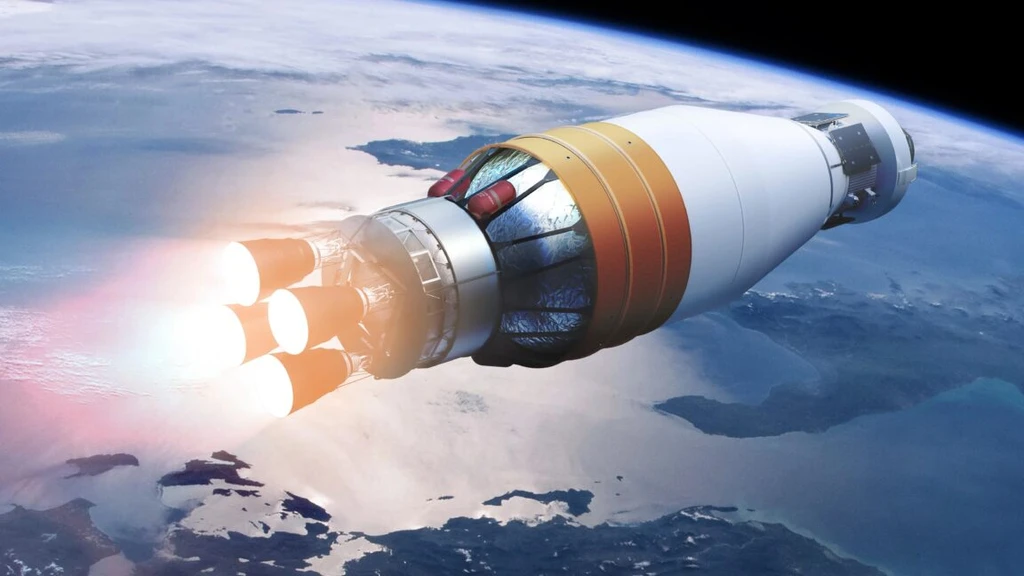
NASA Administrator Jared Isaacman announced significant changes to the Artemis program, aiming to increase mission frequency and streamline operations. Key updates include the cancellation of the Exploration Upper Stage and the Block IB upgrade for the Space Launch System (SLS) rocket.
The Artemis II and III missions will proceed using the current SLS configuration. Subsequent missions, starting with Artemis IV, will utilize a standardized upper stage. A notable shift for Artemis III is the relocation of the lunar landing phase, with the Orion spacecraft launching on SLS and docking with commercial landers, such as SpaceX's Starship or Blue Origin's Blue Moon, in low-Earth orbit. Artemis IV is now designated as the first lunar landing mission.
NASA plans to fly Artemis missions annually, targeting a mid-2027 launch for Artemis III and at least one lunar landing in 2028. The agency is collaborating with SpaceX and Blue Origin to expedite the development of lunar landers for missions beyond Artemis IV.
This strategic realignment addresses concerns about the low flight rate of the SLS rocket and aims to counter the accelerating pace of China's space program. The move seeks to standardize the SLS rocket for increased reliability and a target launch cadence of every 10 months, while commercial alternatives are developed.