
NASA’s Artemis II mission, set for liftoff no earlier than April 1, 2026, marks the first crewed journey to the Moon’s vicinity in over half a century. The four-astronaut crew will travel more than 1,000 times farther from Earth than the ISS, flying beyond the far side of the Moon on a nine-day mission aboard the Space Launch System (SLS) and Orion spacecraft.
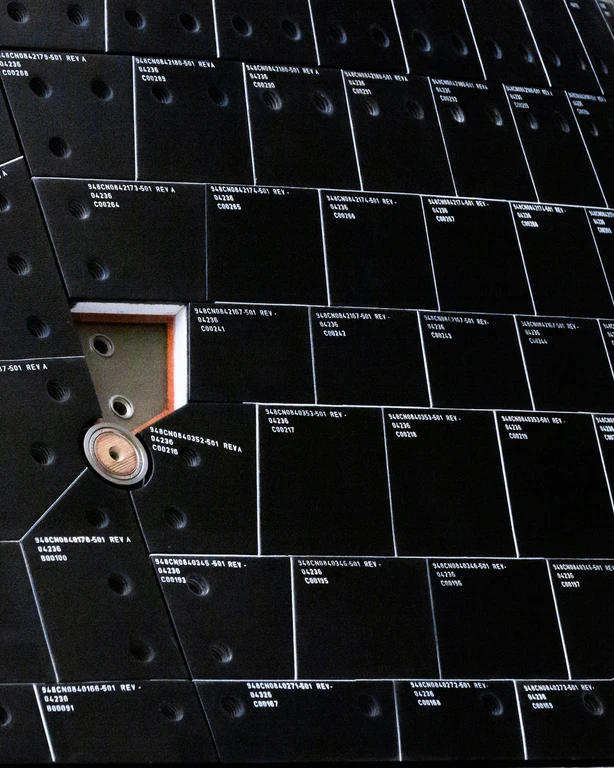
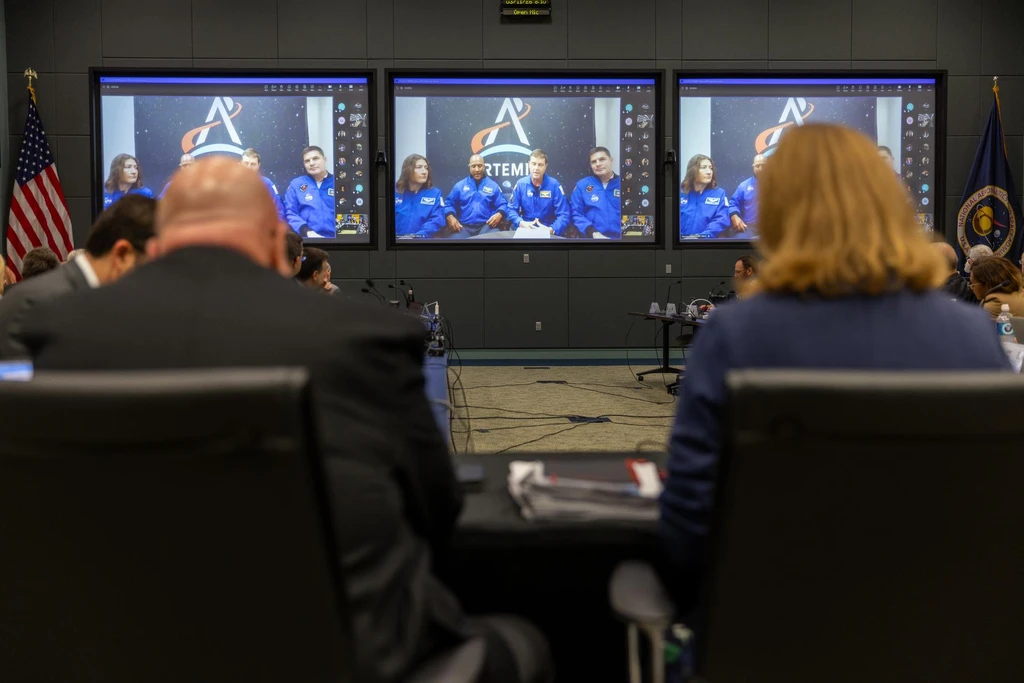
Despite rigorous flight readiness reviews at Kennedy Space Center, NASA leadership declined to release specific failure probabilities for the mission. John Honeycutt, chair of the Artemis II mission management team, acknowledged the agency’s risk assessment falls short of the targeted 1-in-50 failure rate, estimating the true odds closer to 1-in-2.
The decision stems from limited data-Artemis II follows only one prior test flight, Artemis I. Experts caution that probabilistic models can mislead when applied to novel systems with unknown variables, especially during high-dynamic phases like ascent and trans-lunar injection.
Astronaut Reid Wiseman affirmed his full confidence, likening entry into Orion to climbing into his bed. Still, he stressed preparing his family openly for the mission’s inherent dangers.

NASA continues final preparations after delays caused by hydrogen seal leaks and helium loading issues. The next tanking attempt will be the launch countdown itself.
The ultimate goal: safe return, not just mission success.