
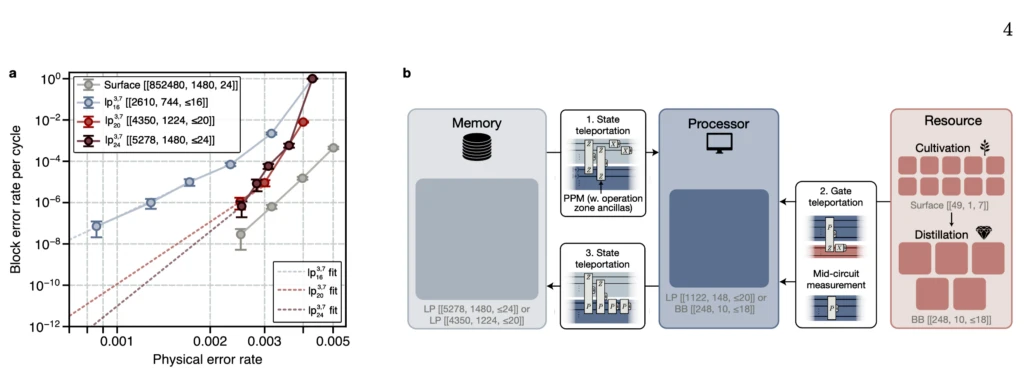
Recent studies indicate that neutral atoms and advanced quantum architectures could render ECC vulnerable within a decade. Researchers used neutral atoms, cooled with lasers, to create qubits that interact freely, reducing the number of physical qubits required by a factor of 100. Additionally, Google revealed a method to crack ECC-256 for cryptocurrencies like Bitcoin in under 9 minutes, needing 500,000 physical qubits, half of previous estimates for RSA.
To address growing concerns, experts call for transitioning to post-quantum cryptography. However, some argue that focusing on cryptocurrencies overshadows broader security risks to TLS and public-key systems.