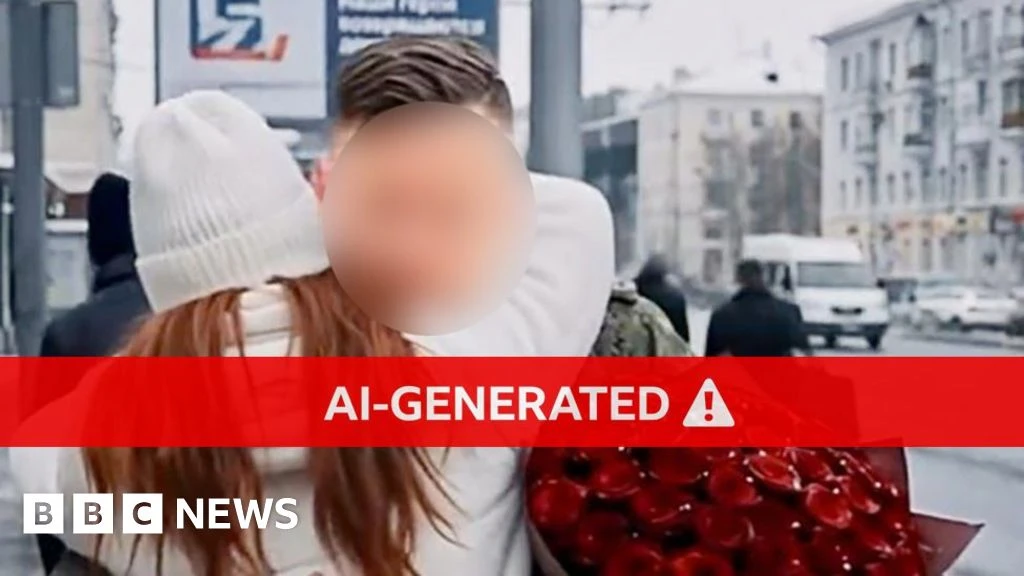
Russian families are increasingly utilizing artificial intelligence to digitally resurrect loved ones killed in the war against Ukraine. Since mid-2025, social media platforms have seen a surge in AI-generated content depicting deceased soldiers returning home or embracing relatives in celestial settings. These deepfakes serve as virtual memorials for thousands of grieving households facing uncertain fates and unconfirmed casualties.
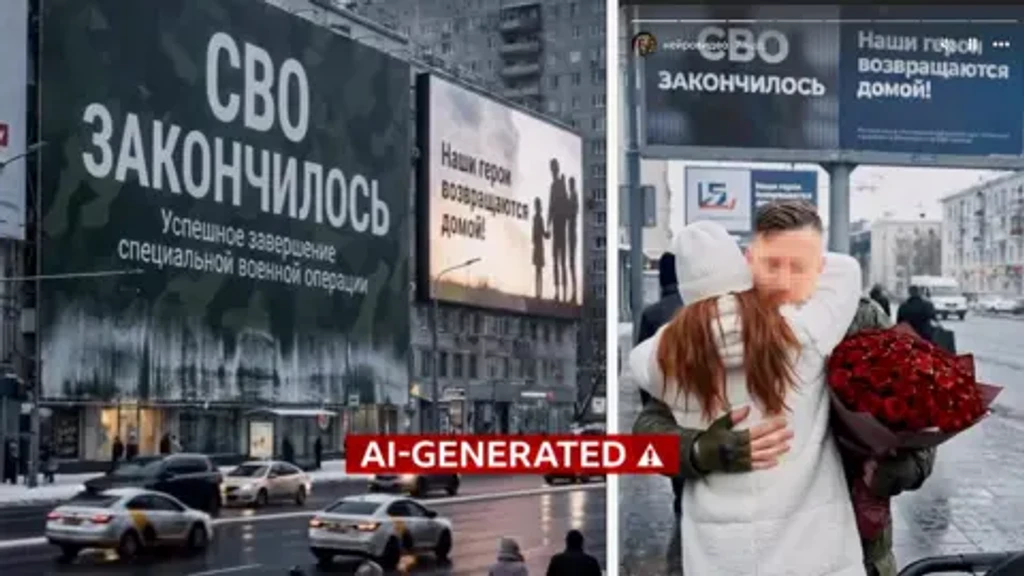
A cottage industry has emerged to meet this demand. Creators charge between 200 and 10,000 rubles to animate photographs into cinematic farewell videos. Some creators report earning double the average national wage by fulfilling orders for customized tributes. This commercialization of grief occurs as international generative AI tools remain difficult to access within Russia, driving domestic production.
The practice remains deeply polarizing. While some families find solace in these digital illusions, others condemn the technology as unethical exploitation of loss. Researchers at the University of Cambridge warn that the long-term psychological impact of such deadbots is unknown. Furthermore, the portrayal of soldiers as angels often erases the reality of the conflict, provoking outrage among Ukrainians who view the content as propaganda disguised as mourning.
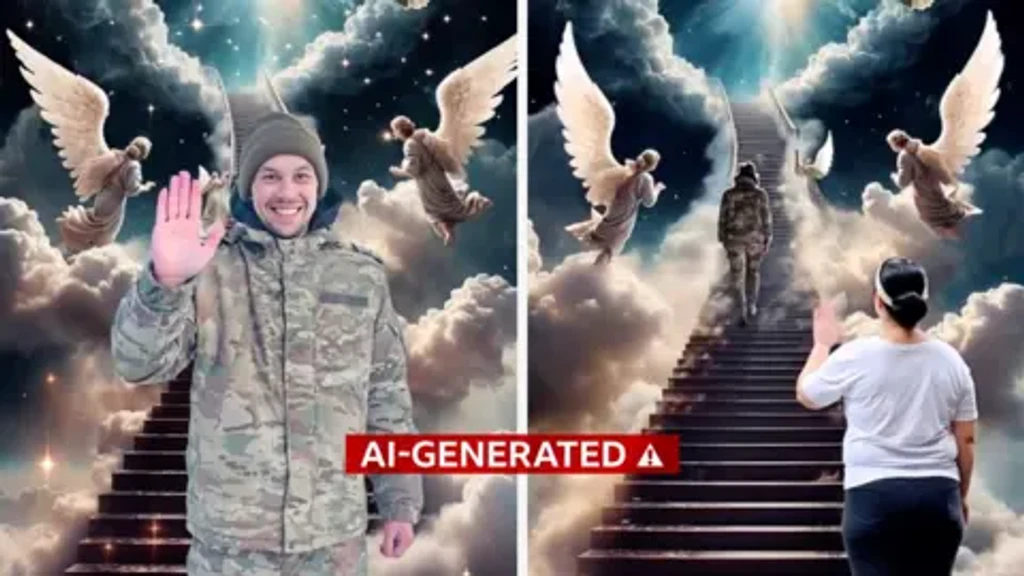
Despite the emotional appeal, many users acknowledge the limitations of synthetic closure. Testimonies suggest that while AI provides a temporary sense of connection, it fails to resolve the trauma of wartime loss. This phenomenon represents a complex intersection of emerging technology, state narratives, and human psychology during active conflict.