Stripe’s new Machine Payments Protocol (MPP) may finally unlock the potential of micropayments by enabling AI agents to transact autonomously-eliminating human approval bottlenecks that have stalled adoption for decades.
Forrester senior analyst Meng Liu calls MPP a structural shift from human-initiated to machine-to-machine payments. Unlike past attempts, MPP embeds payment as a seamless programmatic step within AI workflows-no checkout, no cart abandonment, no mental transaction cost.
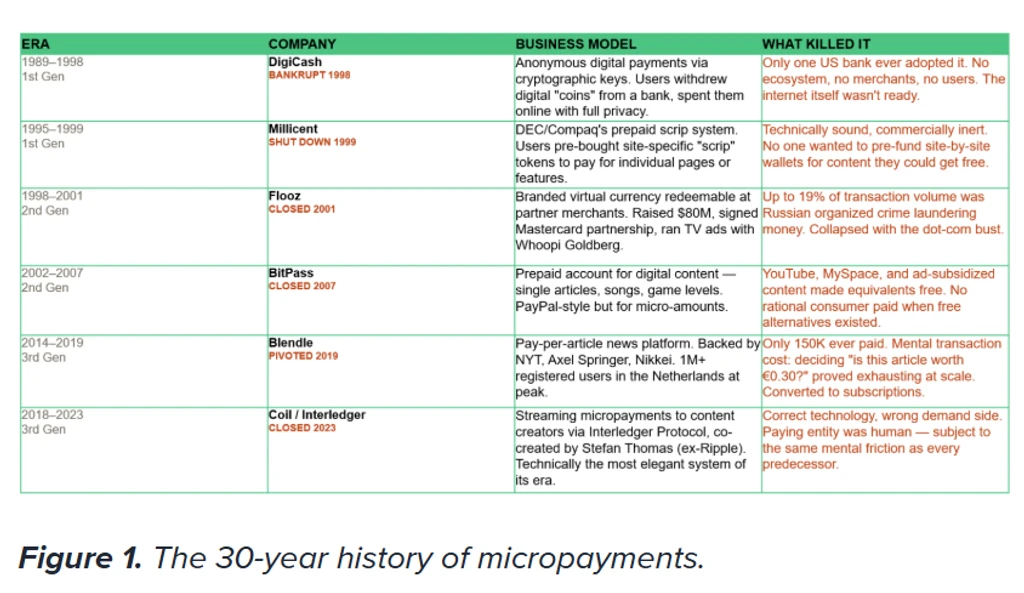
Critically, MPP isn’t a new settlement layer. It’s a coordination protocol designed to work across existing rails-traditional, digital wallet, and crypto-enabled systems where supported.
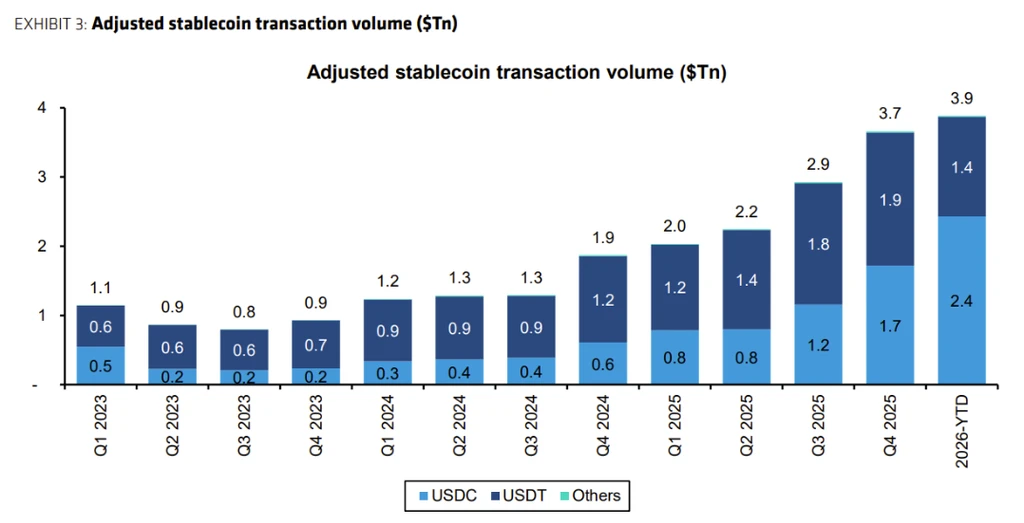
The move aligns with broader industry momentum. MoonPay recently launched an open-source AI wallet standard, while Bernstein analysts predict rising stablecoin demand as AI agents drive frequent, low-value transactions. Coinbase’s x402 protocol similarly targets autonomous machine payments.