TSMC isn't just riding the AI wave; it's steering it into the physical world.
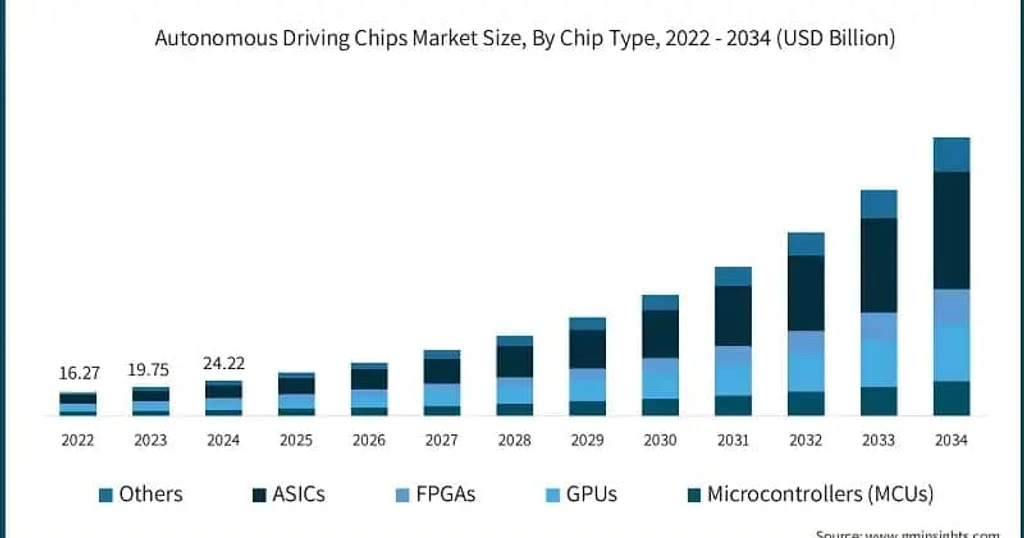
In a June 4 communication to shareholders, Chairman and CEO C.C. Wei laid out the company's long-term growth thesis: autonomous vehicles and robotics represent the next frontier for semiconductor demand.
TSMC currently produces approximately 95% of the world's robotics chips, many designed in collaboration with Nvidia and AMD.
Wei projected sustained annual revenue growth of 30% into 2026, with no expected slowdown in capital expenditure. These sectors demand the advanced, high-performance chips TSMC specializes in producing. The company's Automotive Platform supports advanced nodes like N3A and N5A for advanced driver assistance systems and full autonomy.
Wei emphasized that TSMC is positioning itself as the manufacturing backbone for what the industry calls 'physical AI'-AI applied to machines that interact with the real world.
Nvidia CEO Jensen Huang has called the 2020s 'the decade of AV, robotics, autonomous machines.'
TSMC's 95% share of robotics chip production means virtually every company building robots or autonomous systems is already a TSMC customer, whether directly or through fabless designers like Nvidia.
However, sustained high capital expenditure means TSMC is betting heavily on demand materializing. If the AV and robotics markets develop slower than expected, the company could end up with expensive, underutilized manufacturing capacity.