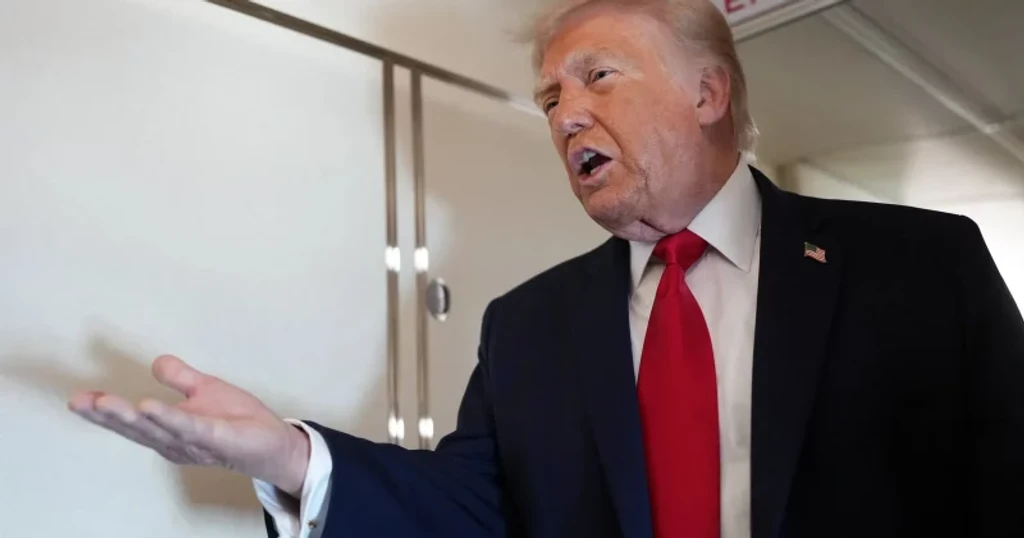
The US government wants a piece of the AI boom, not just as a regulator but as an actual shareholder. President Donald Trump revealed on June 5 that his administration plans to investigate taking equity stakes in major artificial intelligence companies. The announcement, made aboard Air Force One, signals a shift toward co-ownership of the tech sector.
A White House meeting with top AI executives is expected in the coming week to discuss feasibility. Companies reportedly involved include OpenAI, Anthropic, and xAI, all preparing for public offerings.
Trump drew a comparison to the US government's prior 10% stake in Intel, which he says saw positive financial outcomes. The administration frames this as a way for ordinary Americans to benefit from AI-driven economic growth amid concerns about job displacement.
This proposal fits into the administration's broader AI policy emphasizing public-private collaboration and reduced regulation. However, government equity stakes raise questions about conflicts of interest and whether investment decisions will be made on financial merits or political considerations.
The US lacks a formal sovereign wealth fund like Norway or Singapore, so building the mechanism to manage such stakes would require new institutional capacity. For now, this remains an exploration, with next week's White House meeting as the first real test.