
Between 2011 and 2015, private American body brokers received thousands of donated human bodies and distributed parts across the United States and overseas. While families believed these donations would advance medical research or surgical training, many remains were instead dissected, priced, and sold to third-party buyers. This trade remains legal but largely unregulated, operating on a fundamental disconnect between donor intent and commercial reality.
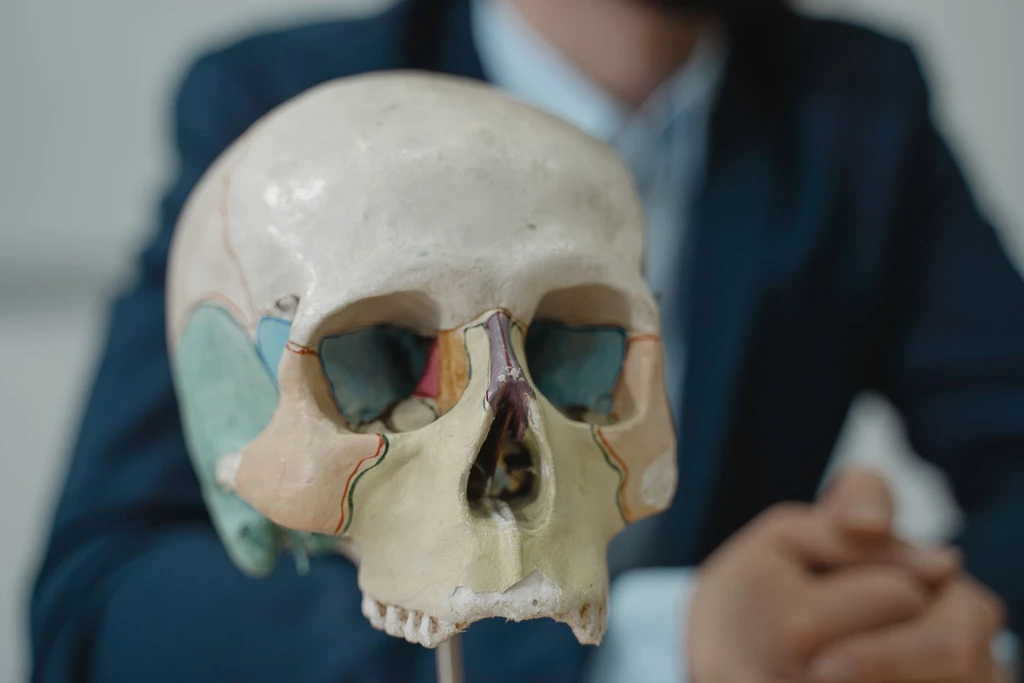
Body brokers function as non-transplant tissue banks that solicit whole-body donations and transfer parts to researchers, device manufacturers, and military programs. Unlike transplant organs governed by the National Organ Transplant Act, bodies donated for research face no federal licensing or tracking requirements. Invoices from FBI raids reveal individual cadavers generated substantial revenue when divided into heads, torsos, spines, and limbs.
Brokers often recruit grieving families through hospices and funeral homes, offering free cremation in exchange for donation. Consent forms emphasize medical education but frequently omit specific end-uses. Families rarely understand that "research" can include military blast testing or automotive safety studies. Ethicists argue this gap violates true informed consent standards, as signatures obtained during acute grief do not guarantee comprehension of commercial distribution.
The industry’s lack of oversight was exposed when the FBI raided Biological Resource Center in Phoenix. Investigators found improperly stored remains and evidence of fraudulent consent practices. Owner Stephen Gore pleaded guilty to illegal enterprise control, and a civil jury later awarded $58 million to defrauded families. Despite this, demand from surgical educators and defense contractors sustains the market.
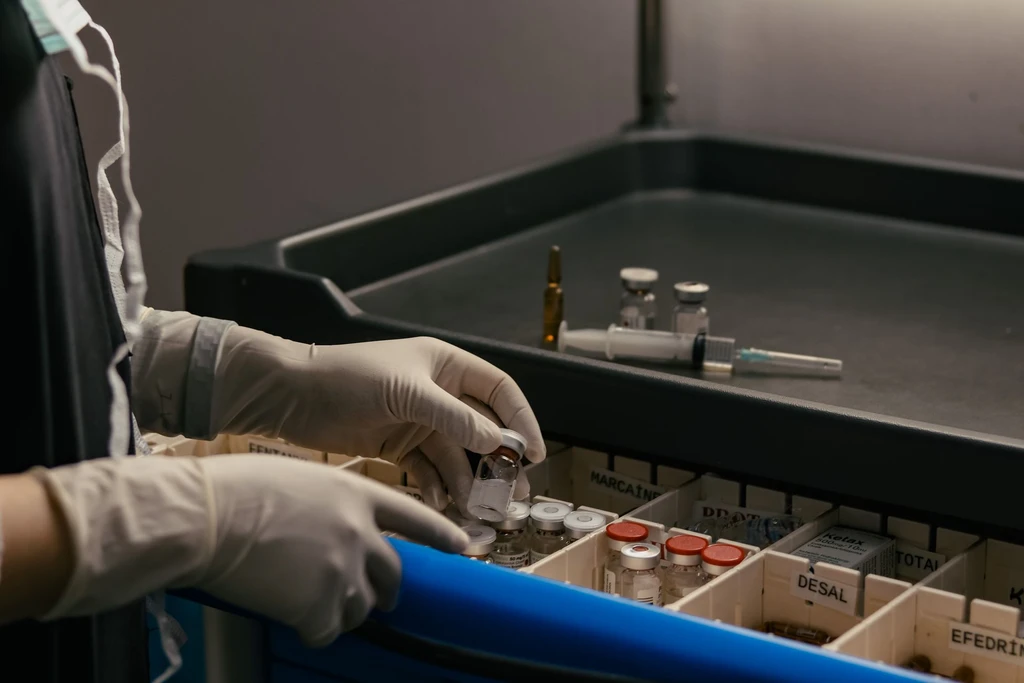
Post-scandal reforms remain insufficient. While states like Arizona have tightened regulations, no comprehensive federal framework exists. Brokers continue to operate with price lists and shipping networks that treat human remains as inventory. Without standardized disclosure requirements, the donation system risks eroding public trust essential for legitimate medical science.