Residents and tourists across the Gulf are adapting to a new reality marked by explosions and emergency alerts, following strikes on Qatar, UAE, Saudi Arabia, Kuwait, Bahrain, and Oman. Governments are providing clear instructions on how to react to incoming attacks and air defense operations.
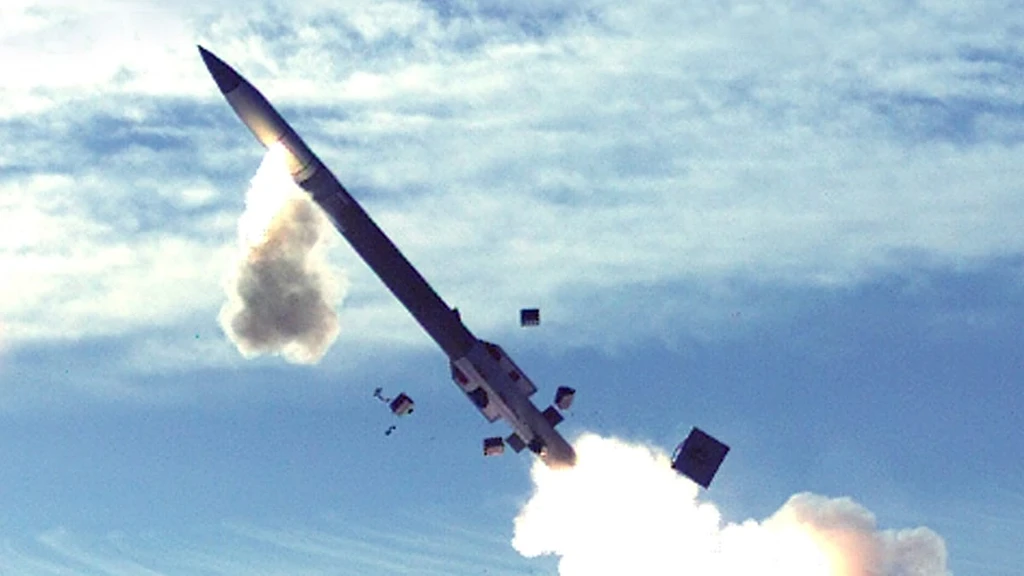
Authorities explain that the loud "booms" are air defense systems intercepting missiles and drones. Advanced systems like the Patriot battery are crucial in countering threats, designed to neutralize them far from populated areas. Interceptions, often occurring miles above ground, result in audible explosions and visible flashes, which officials state are signs of effective protection.
Ballistic missiles travel at extreme speeds, reaching up to 3 km/s. Air defense systems have a narrow window to detect, track, and intercept these threats. Cruise missiles, moving at lower speeds and altitudes, pose different detection challenges. Iran's arsenal includes drones like the Shahed-136, known for their distinctive noise and cost-effectiveness, sometimes launched in large numbers.
Modern air defense systems utilize ground radar, satellite warnings, and regional networks to detect threats from hundreds of kilometers away. Drones and cruise missiles, flying lower, can be harder to track. Layered defense systems are essential, with high-altitude units targeting ballistic missiles and low-altitude units addressing drones and cruise missiles, providing multiple opportunities for interception.