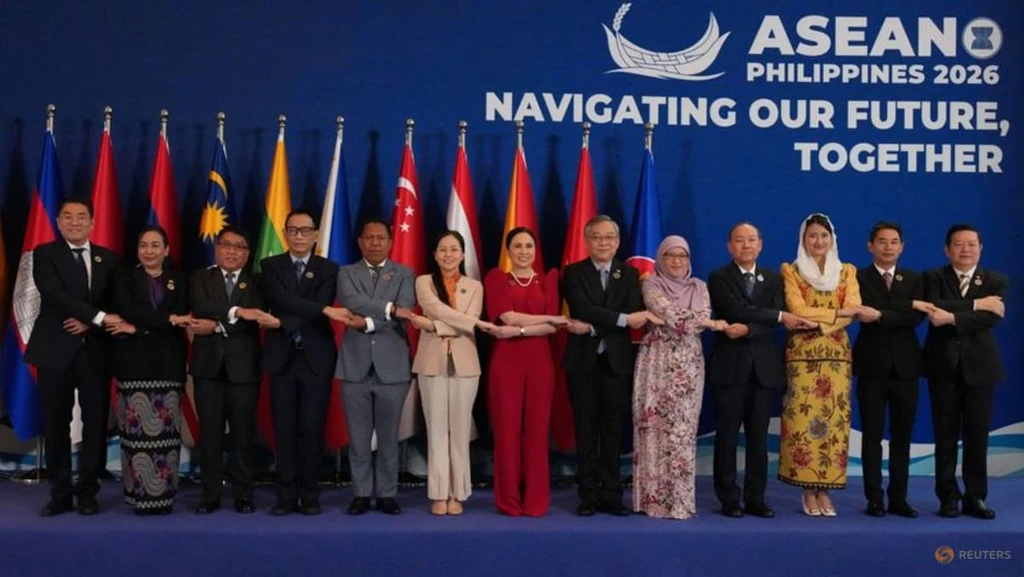
ASEAN foreign and economic ministers are calling for an immediate halt to the war in the Middle East. They stated that surging oil prices and disrupted trade are already impacting Southeast Asia's economies.
Several ASEAN members are implementing measures to counter the economic impact, including energy conservation and stabilizing domestic markets. Philippine Foreign Affairs Secretary Ma Theresa Lazaro noted "serious concern over the situation in the Middle East and its impacts in the region, and emphasised the importance of the immediate cessation of hostilities." ASEAN urged all parties to exercise self-restraint.
The Philippines, chairing ASEAN, convened the special meeting due to deepening concerns over the conflict. Ministers advocated for open global energy supply chains and activating regional mechanisms to mitigate the economic fallout.
Crude oil prices are trading near $100 a barrel due to supply worries, exacerbated by threats to close the Strait of Hormuz, a critical route for global oil supply. The escalating conflict has generated broader economic repercussions, particularly through volatility in global energy markets and disruptions to maritime and supply chain routes.
The Philippines is reportedly considering purchasing oil from Russia, given its heavy reliance on Middle East fuel imports.
Economic ministers warned that the region's vulnerability to global oil and LNG supply routes necessitates reinforcing supply chain resilience, accelerating renewable energy transitions, and deepening regional cooperation to ensure economic stability.