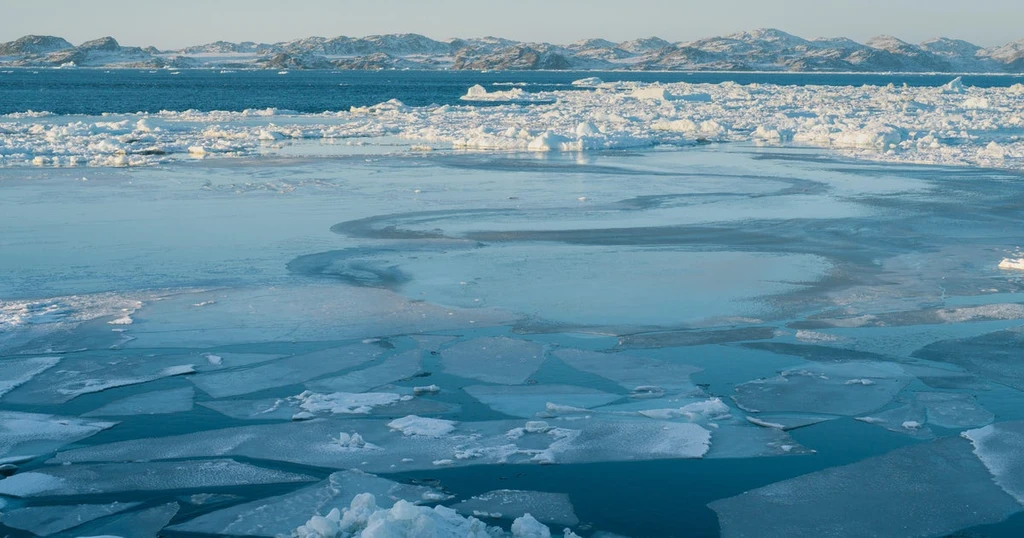
Arctic sea ice has tied its lowest recorded winter maximum, signaling accelerating polar warming as extreme heat engulfs much of the globe.
On March 27, 2026, scientists confirmed the Arctic’s winter sea ice peak reached just 5.52 million square miles-slightly below 2025’s level and about 525,000 square miles below the 1981-2010 average. That deficit equals twice the size of Texas.
The National Snow and Ice Data Center (NSIDC) called the near-tie with last year’s low “a climate change signal.” Walt Meier, a senior NSIDC scientist, warned the diminished ice gives the summer melt season a dangerous head start.
Simultaneously, March 2026 delivered historic heat across 16 U.S. states, Mexico, Australia, North Africa, and parts of Europe. Climatologist Maximiliano Herrera labeled it “the most extreme heat event in world climatic history,” with Asian regions smashing monthly records by 30-35°F.
Wildlife is under acute stress. Emperor penguins, dependent on stable sea ice during molting, are now crowding into precarious clusters as ice vanishes beneath them. Scientists say only significant climate cooling can ensure their survival.
While Antarctic sea ice remains variable-hitting a modest February low but not a record-the Arctic’s steady decline reflects long-term global warming trends. Summer ice loss remains critical: less reflective surface means more ocean heat absorption, potentially disrupting jet stream patterns and fueling extreme weather.
Notably, melting sea ice does not raise sea levels-but its loss amplifies planetary heating.