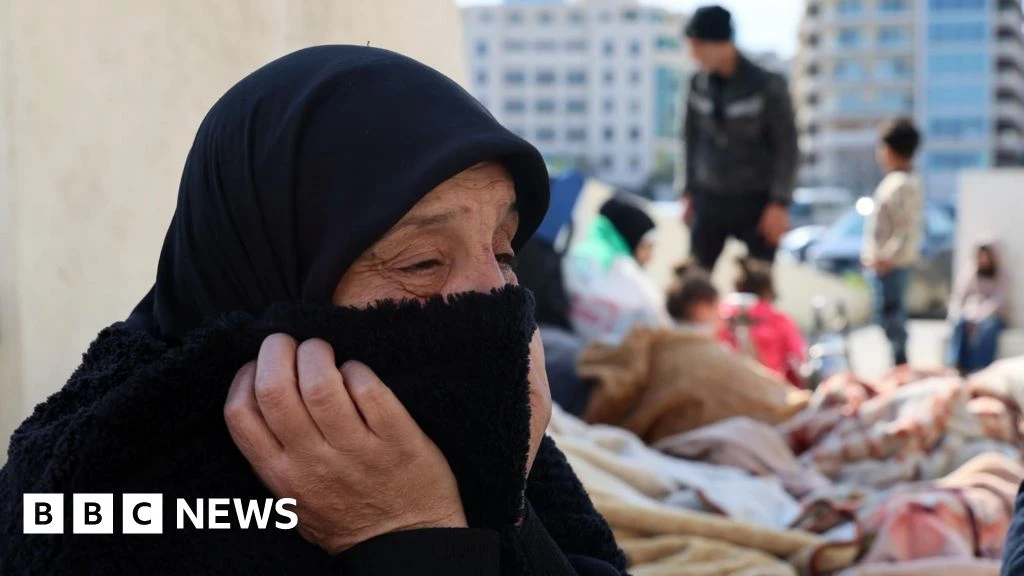
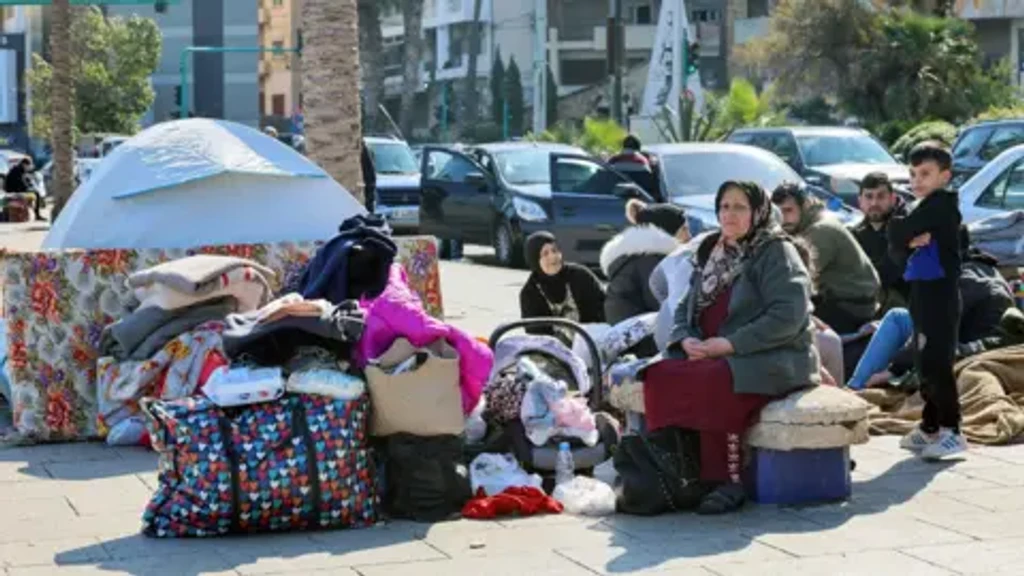
Hezbollah has fired rockets into Israel, prompting Israeli military strikes across Lebanon, including Beirut's southern suburbs. This escalation draws Lebanon into the broader conflict involving the US and Iran. Thousands of Lebanese residents have fled southern villages, with displaced families gathering in Beirut.
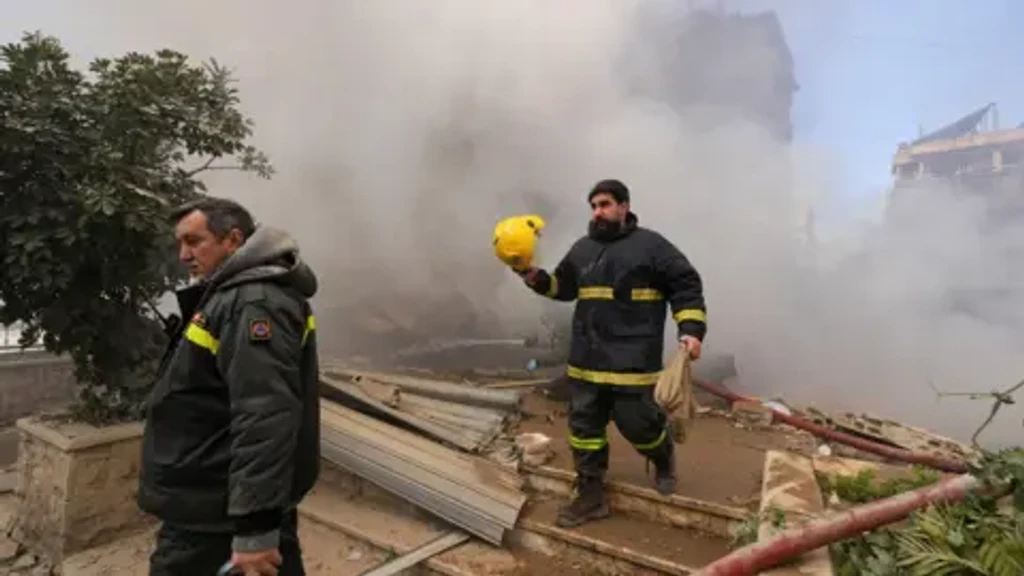
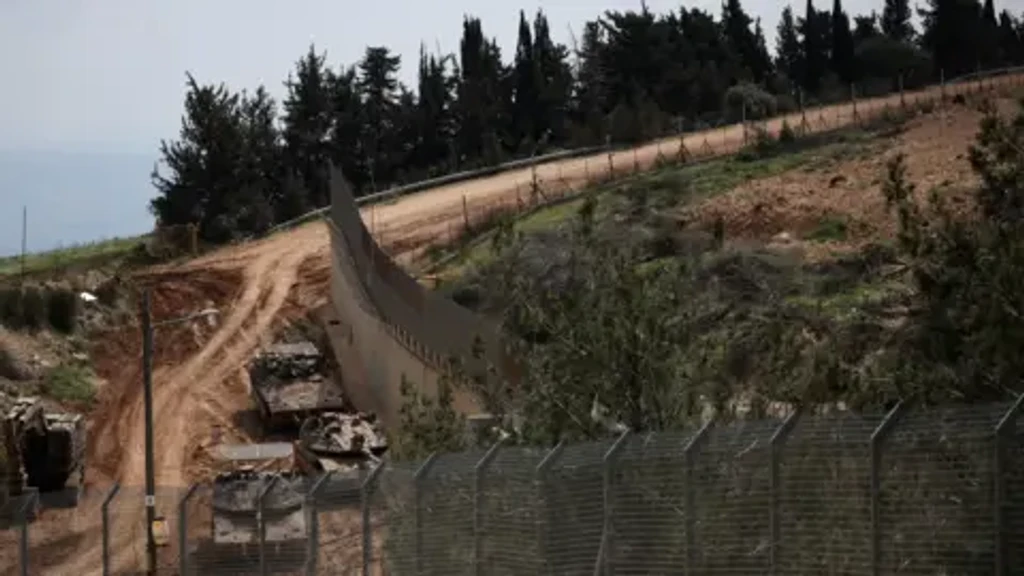
Air strikes have hit southern Lebanon, the Bekaa Valley, and Hezbollah's stronghold in Beirut's Dahieh. The Israeli military has also expanded its presence in southern Lebanon, signaling a potentially prolonged operation. This new cycle of violence follows months of Israeli warnings about Hezbollah rebuilding capabilities. Despite a ceasefire that ended a 2024 war, Israeli bombings were frequent.
Hezbollah's recent actions have met backlash from many Lebanese, reflecting the group's diminished standing. The Lebanese government has banned Hezbollah's military activities and demanded weapons be handed to the state. Prime Minister Nawaf Salam criticized Hezbollah's attack as disregarding the "will of the majority of Lebanese."
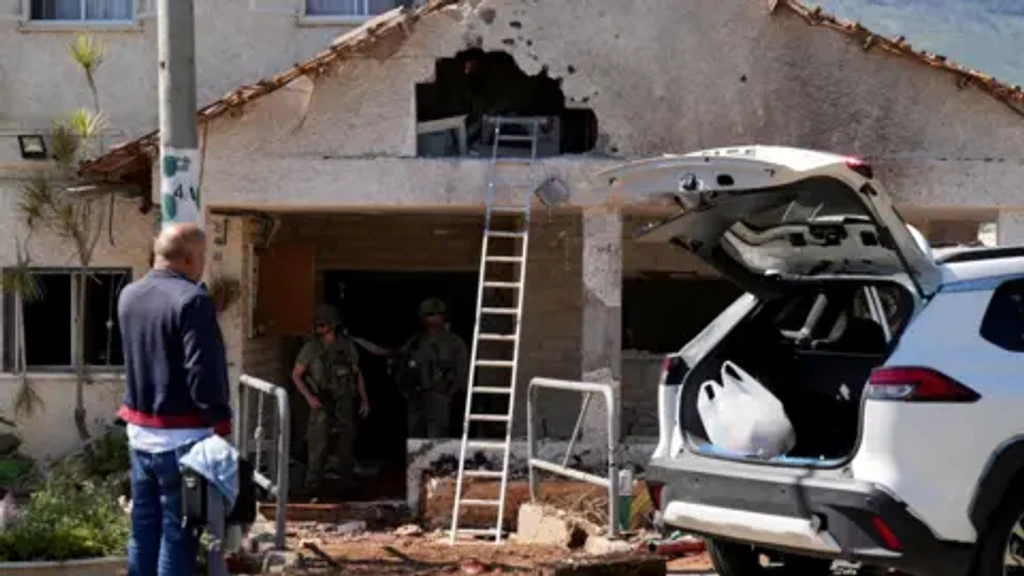
Hezbollah, founded in the 1980s, began firing rockets after Israel's response to the October 7, 2023 attacks. The previous war was devastating for Lebanon and Hezbollah, resulting in leader assassinations and arsenal destruction. The group was blamed for a miscalculation that brought suffering to an already crisis-stricken country.
Amid rising US-Iran tensions, concerns grew in Lebanon. Tehran's decades-long investment in Hezbollah as part of its "Axis of Resistance" raised fears of wider conflict. Despite assurances to the Lebanese government, Hezbollah intervened, possibly under pressure from Iran.
Whispers of internal divisions within Hezbollah exist regarding its future direction and disarmament. Armed resistance is central to the group's identity, and it has resisted calls to discuss its weapons. Lebanese President Joseph Aoun has rejected force, warning against antagonizing the Shia community and reigniting sectarian divisions.
Israel's military views Hezbollah's leadership as targets. The escalation in Lebanon creates a second front for Israel, with unclear objectives but likely aimed at neutralizing Hezbollah and potentially forcing a new deal with Lebanon. The expansion of Israel's ground invasion raises fears of a campaign similar to 2024.
Hezbollah is perceived as trapped, with Israel aiming to strike the group and its community hard. Reconstruction in southern Lebanon remains unfunded due to the disarmament impasse. Hezbollah's recent move has been denounced as reckless, with questions arising about its true objectives.