President Donald Trump indicated that negotiations aimed at ending the conflict in Iran might resume this week. This comes after talks collapsed over the weekend, leading the U.S. to implement a blockade on Iranian ports.
"You should stay there, really, because something could be happening over the next two days, and we're more inclined to go there," Trump was quoted as saying in an interview with the New York Post.
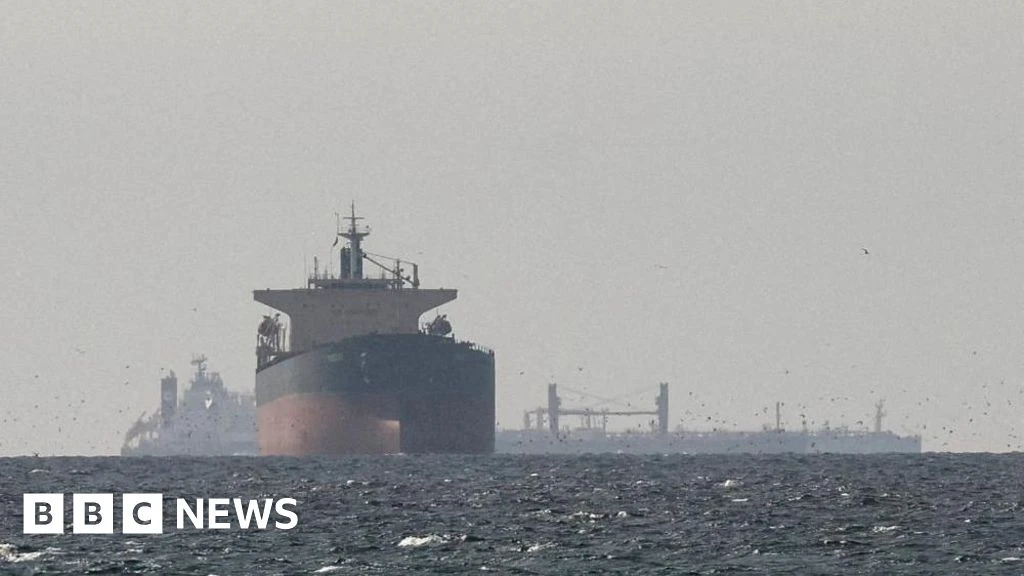
During the initial 24 hours of the operation, the U.S. military reported that no ships had traversed the blockade of Iranian ports and coastal areas. The standoff has raised questions about the viability of a two-week ceasefire scheduled to end next week.
United Nations Secretary General António Guterres stated it is "highly probable" that discussions will recommence. Gulf, Pakistani, and Iranian officials also suggested that negotiating teams from Washington and Tehran might return to Pakistan later this week, although no specific date has been confirmed.
Hopes for continued diplomacy appeared to calm oil markets, with benchmark prices falling below $100. The U.S. is enforcing the blockade with over a dozen warships and approximately 10,000 military personnel, aiming to pressure Tehran by targeting oil revenue and passage tolls.
U.S. Central Command confirmed that six merchant vessels complied with directions to turn back to Iranian ports in the first 24 hours. However, ship-tracking data indicated that at least four Iran-linked vessels crossed the Strait of Hormuz despite the blockade. Three other non-Iranian ships were also observed passing through after the blockade began.
Initial high-level negotiations in Islamabad failed to yield an agreement, with the U.S. stating Iran did not accept its terms. A key point of contention was Iran's nuclear ambitions, with the U.S. proposing a 20-year suspension of uranium enrichment, while Iran reportedly suggested a five-year halt.
Vice-President JD Vance, who led U.S. negotiations in Islamabad, expressed belief that Iran desires a deal, acknowledging significant mistrust between the two nations.
Meanwhile, China criticized the blockade as "dangerous and irresponsible," warning it would escalate tensions. Separately, Israel and Lebanon have agreed to direct negotiations following talks in Washington, stemming from Israeli airstrikes targeting Hezbollah.