BANGKOK - Thailand’s traditional massage industry, valued at over $42 billion, is undergoing a major transformation aimed at boosting professionalism, global recognition, and sustainability.
New government-led reforms seek to standardize training, formalize therapist certification, and expand massage education into universities and hospitals. The effort stems from a desire to recover from pandemic-era losses and elevate Thai massage beyond its tourist-centric perception.
"We are moving from a local standard to a world-class standard," said Rutchanee Chantraket of the Department of Thai Traditional and Alternative Medicine.
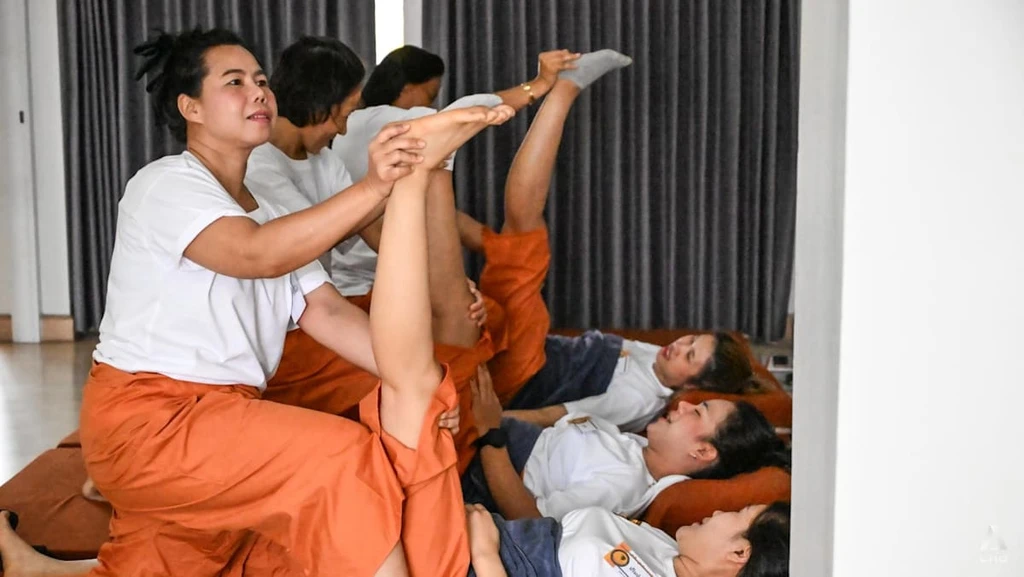
At institutions like the Charawi Association, new trainees are gaining foundational skills in traditional Thai massage, known locally as "Nuad Thai." Some students, like 48-year-old Darunee Bhumidid, see the profession as both culturally significant and economically empowering.
"Even if I work as an employee, I can still use this as a side profession," she said.
The Thai government estimates over 200,000 trained practitioners, though demand far exceeds supply. With wellness tourism growing at over 36% year-on-year-three times the global average-the sector is increasingly vital to the national economy.
Reforms include a tiered certification system, digital IDs for therapists, and expanded access to advanced training. Siriraj Hospital, Thailand’s leading medical institution, is integrating traditional massage into modern healthcare curricula.
However, the industry also contends with a lingering stigma tied to unregulated businesses operating in grey zones. Advocates hope increased branding and policing will clarify its identity.
"We don’t want to be the police of the industry. We want to be the architect of its ecosystem," Rutchanee said.
As new generations embrace massage therapy as a viable career path, the reforms could reshape the future of one of Thailand’s most iconic traditions.