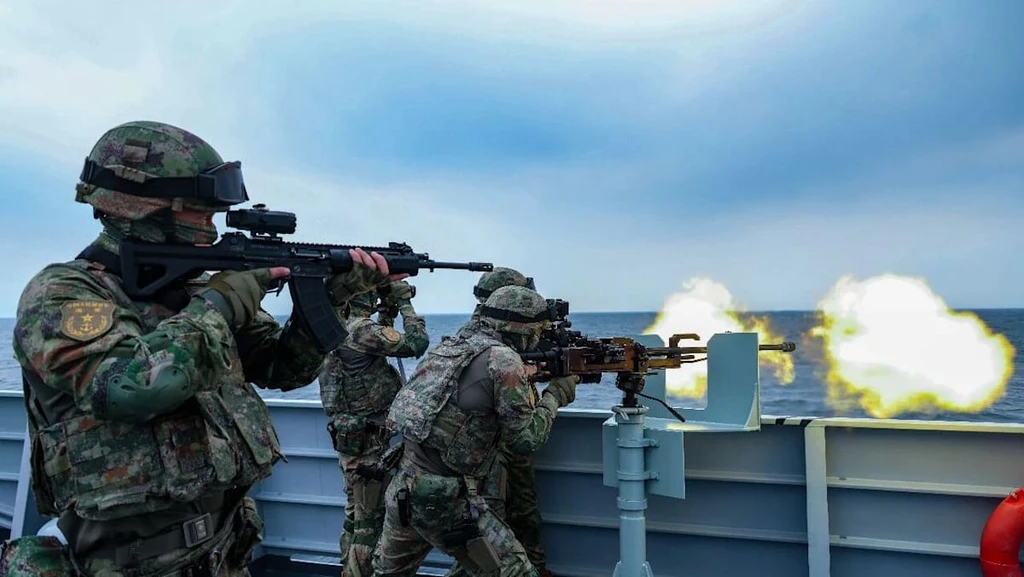
In a concentrated two-week period, China has launched a significant series of military actions. These include joint bomber patrols with Russia near Japan, sustained coast guard patrols east of Taiwan, major naval exercises with Moscow, and a rare submarine-launched ballistic missile test into the Pacific.
Analysts describe this as an "extraordinary confluence" designed to normalize China's extensive military presence. The goal is to make Beijing's operations across multiple domains a routine feature of the regional security environment, thereby increasing the cost for any nation to challenge them.
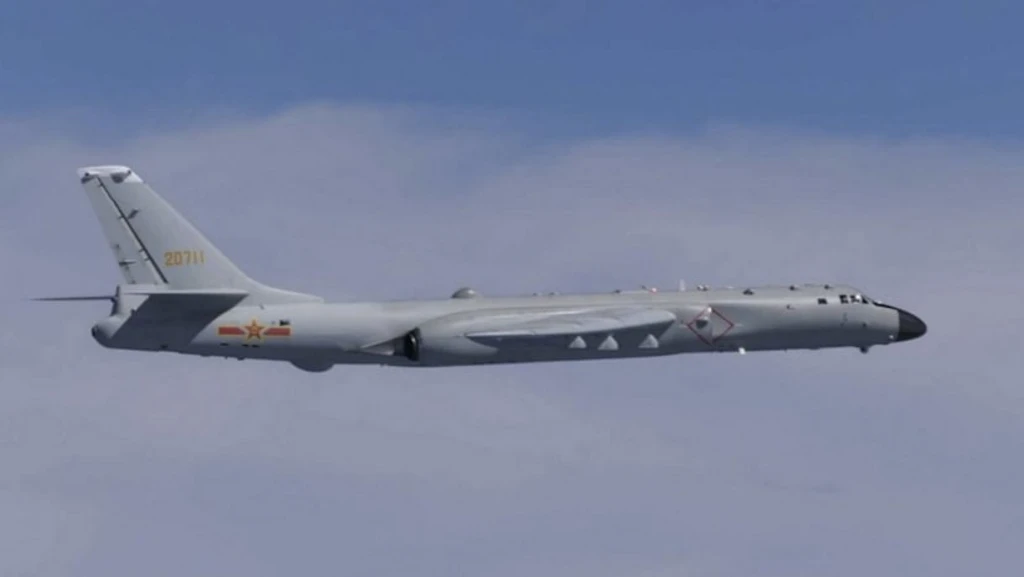
While not a single coordinated campaign, the activities converge to deliver a powerful message. The actions target specific audiences: the submarine missile test signals nuclear capability to the US; operations around Taiwan and Japan pressure those governments directly; and joint patrols with Russia demonstrate coordinated pressure.
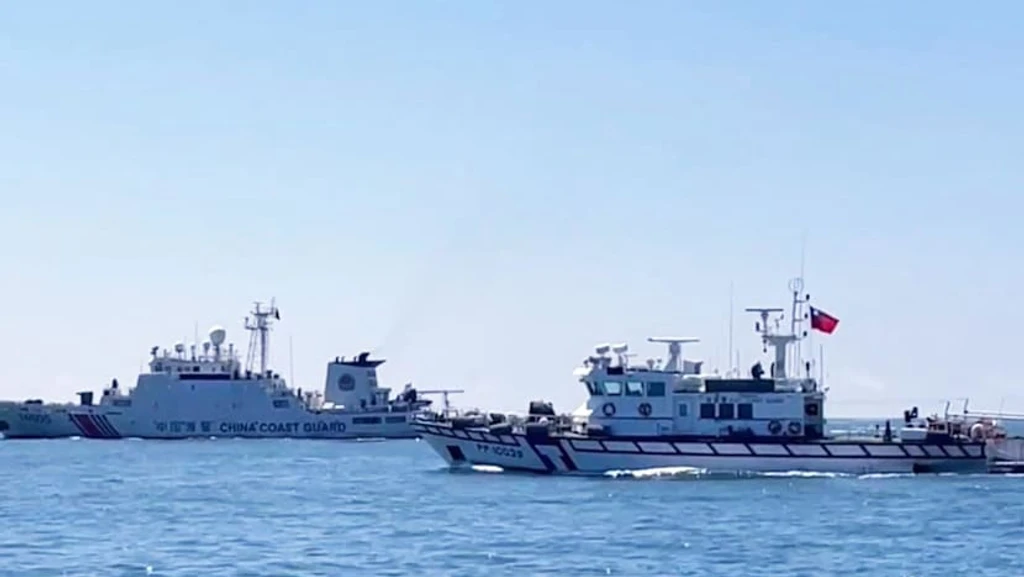
A key focus is establishing a "jurisdictional record" in waters east of Taiwan, with analysts watching to see if China sustains coast guard patrols there. Future submarine activity and missile tests will be closely monitored as indicators of Beijing's willingness to escalate during a potential Taiwan contingency.
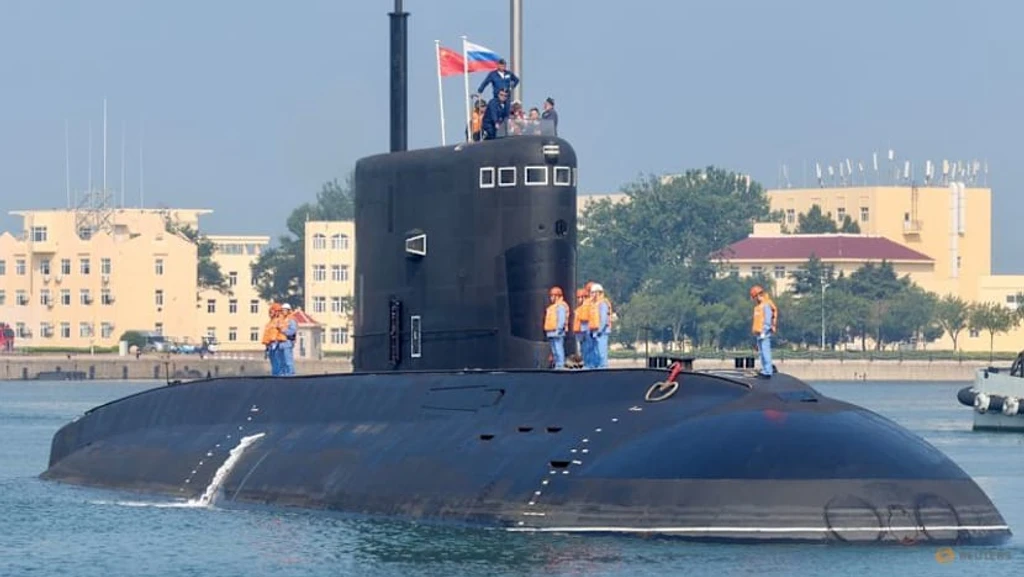
Experts note this represents a shift toward a sustained posture, expanding China's naval and undersea activity far from its coastline. The long-term stability of the Indo-Pacific may hinge on whether regional institutions can manage the strategic rivalry between Washington and Beijing.