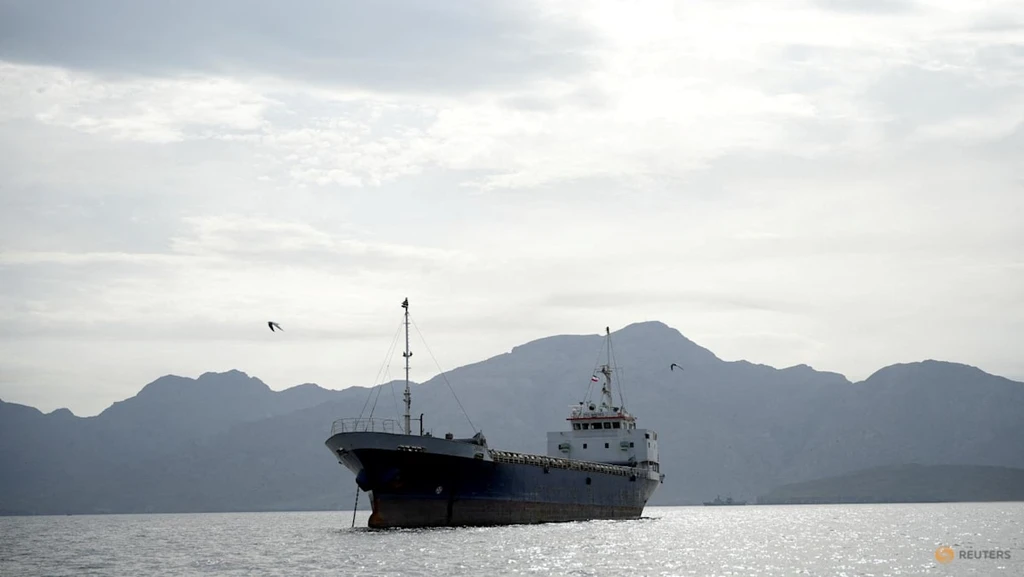
Following the collapse of peace talks, President Donald Trump has initiated a blockade of the Strait of Hormuz. This action, effective since Monday, is described as a military blockade targeting Iranian ports, with US Central Command clarifying it will not obstruct ships to or from other destinations.
Experts suggest this move aims to neutralize Iran's primary leverage: control of the critical waterway. Iran, militarily weakened, has declared a significant portion of the strait hazardous, impacting approximately 20% of global oil and LNG shipments. The blockade could prevent Iranian access to revenue from oil exports and halt the flow of weapons and support.
The strategy also targets China, the largest buyer of oil through the strait, potentially creating leverage for upcoming US-China negotiations. The US Navy, supported by Gulf states, France, and the UK, is actively engaged in mine-clearing operations within the strait.
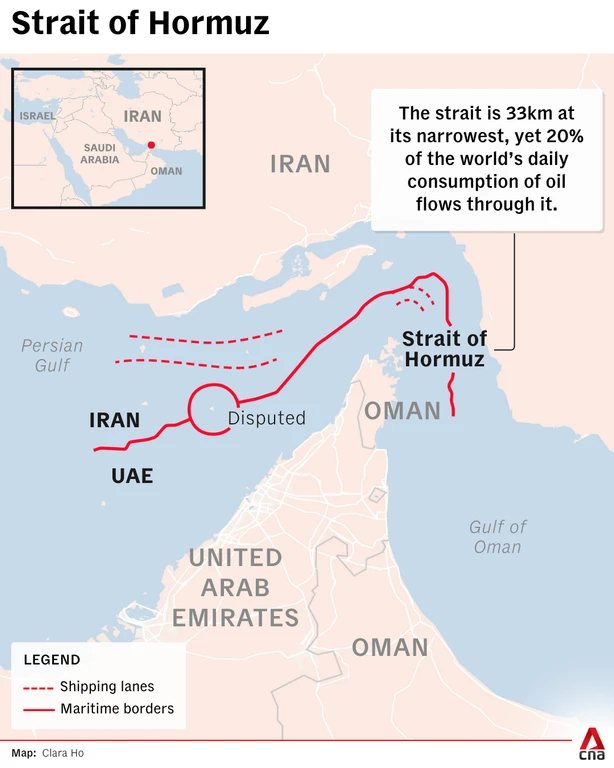
However, the blockade escalates confrontation risks. Fears persist of Iranian retaliation, potentially by disrupting the Bab el-Mandeb strait, a vital Red Sea passage. Opposition is expected from nations like China, Russia, and Iraq, which have engaged in preferential trade with Iran. International law experts emphasize that no nation has the right to restrict passage or collect fees in international waterways.
The core conflict stems from Iran's nuclear program and its funding through oil tolls. While the blockade may pressure Iran into nuclear concessions, it carries significant geopolitical risks. The long-term outcome remains uncertain, with ongoing negotiations and conflict likely to coexist. The war's final chapters are still unfolding.