Ceasefire talks in Pakistan face significant hurdles due to a profound lack of trust between the United States and Iran, complicated by Israel's escalation in Lebanon. Both the US and Iran have strategic interests in halting the conflict. President Donald Trump seeks an exit strategy amid upcoming state visits, a summit with China, and mid-term elections, all while aiming to lower petrol prices. Iran, despite its defiance, has sustained considerable damage and needs to regroup, intending to leverage the talks to bolster its position.
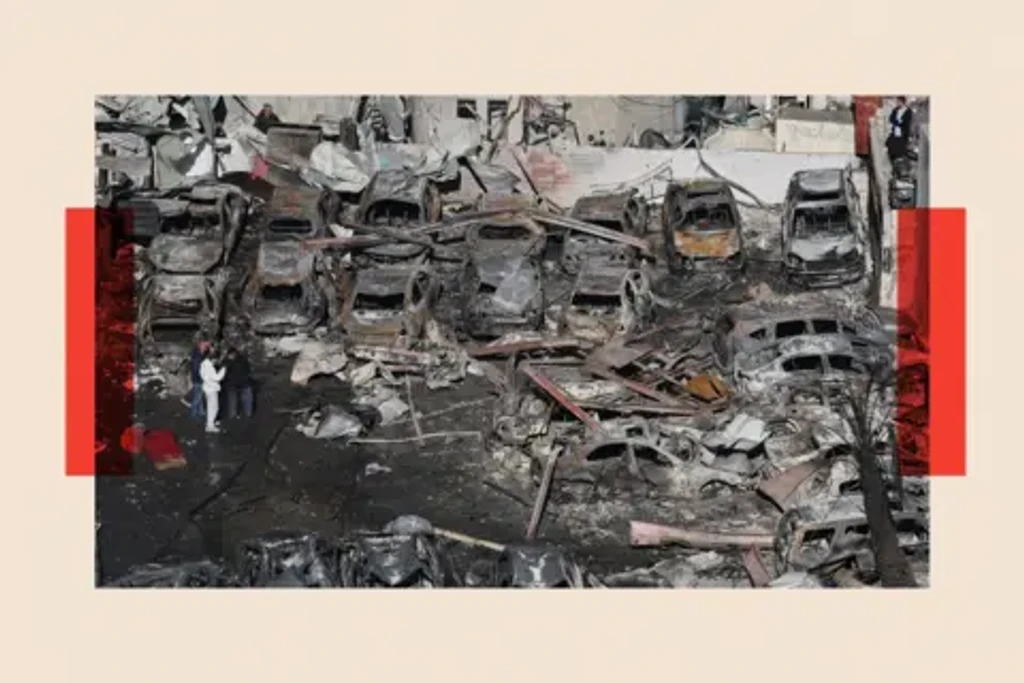
US and Israeli airstrikes, which killed Iran's supreme leader and family, were intended to trigger regime collapse, but Iran's resilience surprised the US. Now, US representatives, led by Vice President JD Vance, are negotiating with a regime that remains intact. The conflict has reshuffled Middle Eastern geopolitics, with Iran demonstrating a strategic edge through its ability to control the Strait of Hormuz, a waterway crucial for global oil and gas transit.
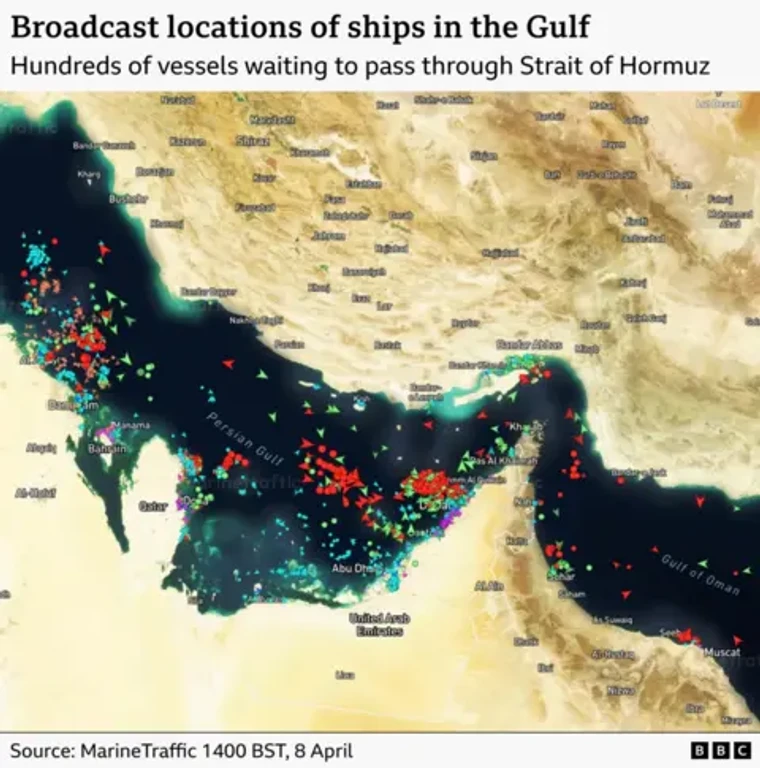
Iran insists that ships require its permission to transit the Strait, demanding tolls and threatening destruction. This leverage, coupled with allied Houthi actions blocking Bab al-Mandab, the Red Sea strait, poses a significant threat to global trade and the modernization strategies of Gulf Arab states. China and Russia are closely monitoring the situation, with China pushing for continued dialogue and potentially exploiting any US policy gaps.
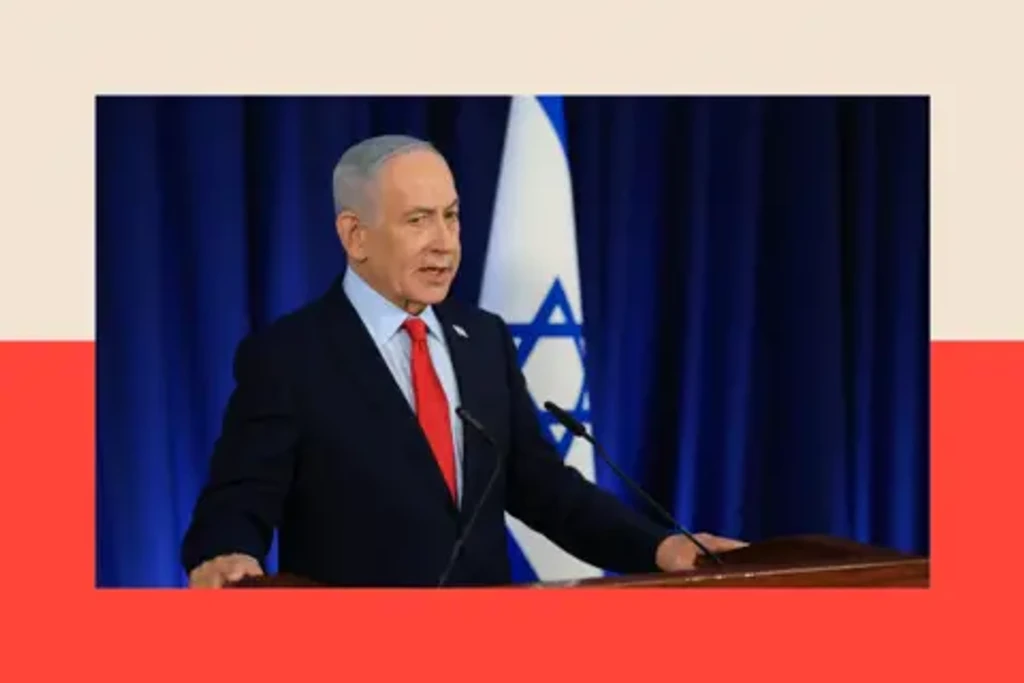
Israeli Prime Minister Benjamin Netanyahu's aggressive pursuit of his aims, including targeting Hezbollah in Lebanon, threatens to derail ceasefire talks. Despite US calls for restraint, Israel's continued strikes in Lebanon have heightened tensions. The conflict's long-term consequences are forcing wealthy Arab monarchies to reassess their alliances with the US, seeking to diversify their future security. Meanwhile, the people of Iran face an entrenched, determined regime with little certainty about their future.