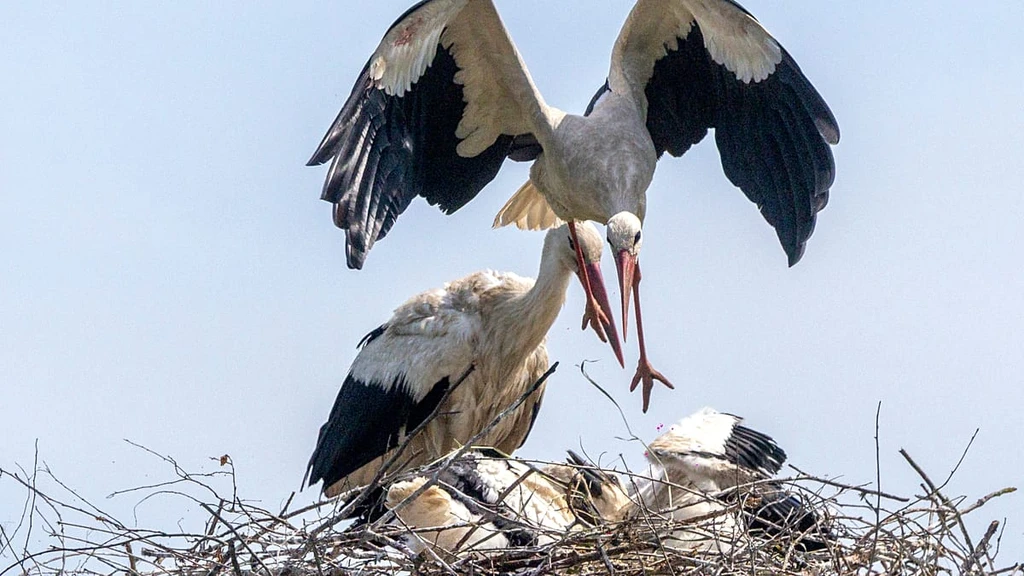
In the village of Cigoc, white storks are not guests; they are permanent residents. Each spring, they return from Africa to nest directly on the rooftops of traditional wooden houses, frequently outnumbering the human inhabitants.
The phenomenon earned Cigoc the designation of Europe's first 'Stork Village' 32 years ago. Unlike typical nesting sites on cliffs or in forests, the birds here have integrated directly into the village infrastructure.
"Here, storks build their nests on the roofs of barns and houses," explains Davor Anzil of the Cigoc Information Centre. "They live in close contact and coexistence with people."
Located in the Lonjsko Polje nature park, Croatia's largest protected wetland, the ecosystem supports over 250 bird species. The abundance of frogs, fish, and insects allows breeding pairs to raise an average of three to four chicks per nest, roughly double the continental average.
However, as the younger generation departs for cities and agricultural land is abandoned, the number of storks nesting in the village has declined.
Despite the depopulation, elderly residents maintain a deep respect for the species. "The storks were here before me," says pensioner Marijan Belosevic. "I don't see how I could ever remove their nest or chase them away. I have a lot of respect for nature."
For those who remain, the 'Stork Village' title is a testament to a rare balance where birds and an aging population still share a roof.