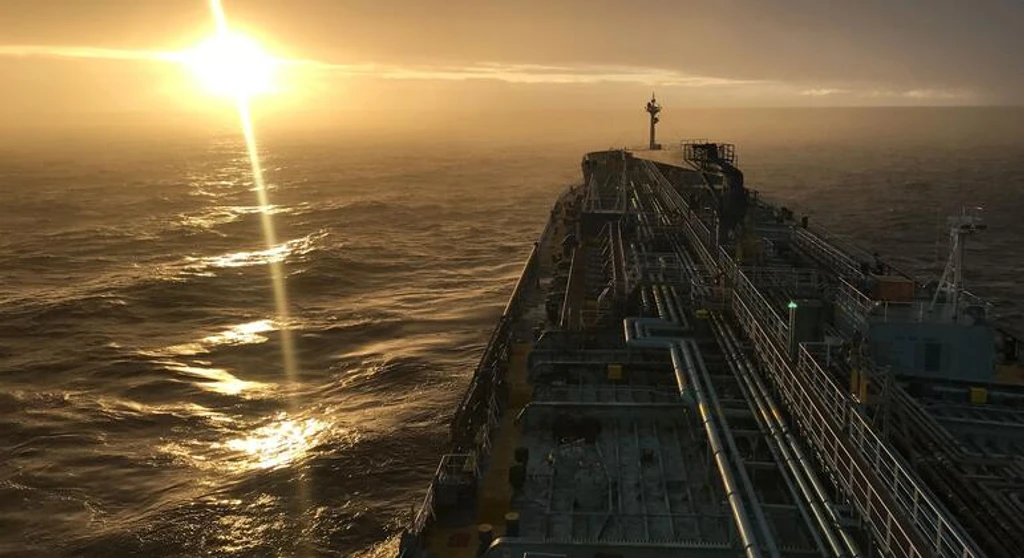
The ongoing conflict stemming from the bombing of Iran has left thousands of seafarers stranded in the Persian Gulf, unable to safely navigate the critical Strait of Hormuz. Arsenio Dominguez, Secretary-General of the International Maritime Organization (IMO), emphasized the gravity of the situation.
Maritime security, Dominguez explained, is vital for protecting global trade, seafarer safety, and functioning supply chains. The current crisis in the Strait of Hormuz demonstrates how vulnerable ships and crews are in conflict zones, often becoming pawns in geopolitical disputes. Commercial shipping has been unjustifiably targeted, detained, or attacked, underscoring the fragility of freedom of navigation.
Information sharing and rigorous risk assessments are crucial for navigating conflict areas. While diplomacy is essential, naval escorts are not a sustainable solution.
Emerging threats to maritime security include sophisticated cyberattacks, sabotage of undersea infrastructure, drone attacks, and vulnerabilities related to autonomous vessels. Civilian seafarers are not combatants and should never be targets.
Beyond Hormuz, other critical global maritime chokepoints include the Suez Canal, Bab el-Mandeb Strait, Straits of Malacca and Singapore, the Turkish Straits, and the Panama Canal. Disruptions in these areas would have severe global consequences for trade and food security.
The UN, through the IMO, works with international partners to build capacity for states to counter security threats, promote freedom of navigation under international law, and advocate for seafarer safety.