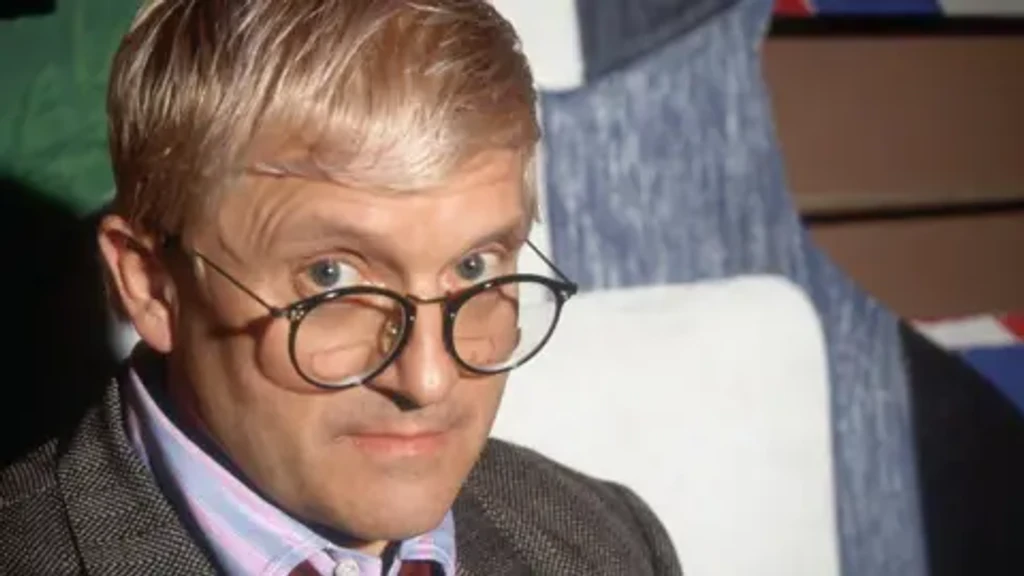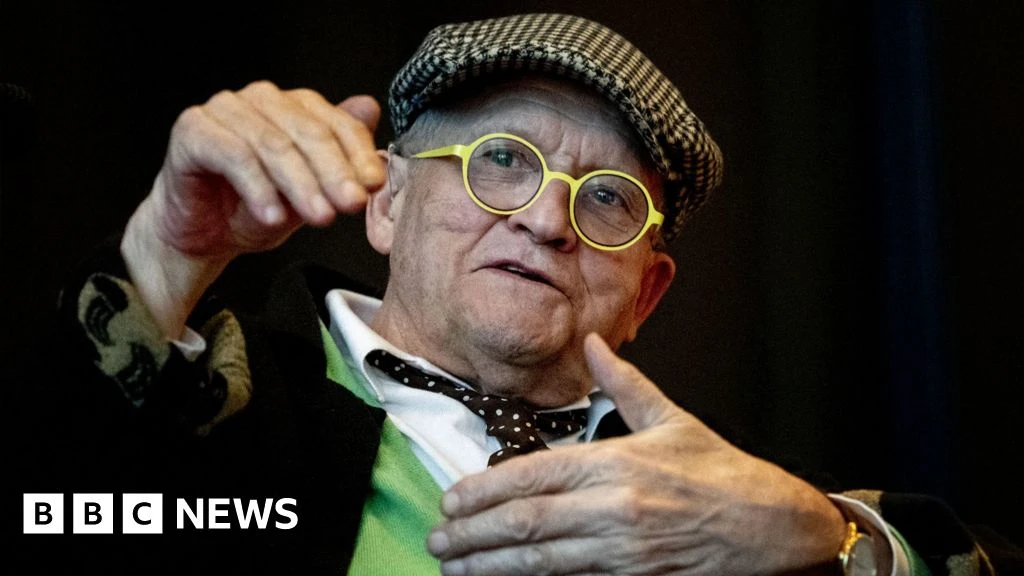
David Hockney, widely regarded as Britain’s most celebrated living artist, has died at the age of 88. A prolific innovator across multiple mediums, Hockney transformed the visual arts through his mastery of oil painting, photography, etching, and later, digital tools like iPads.
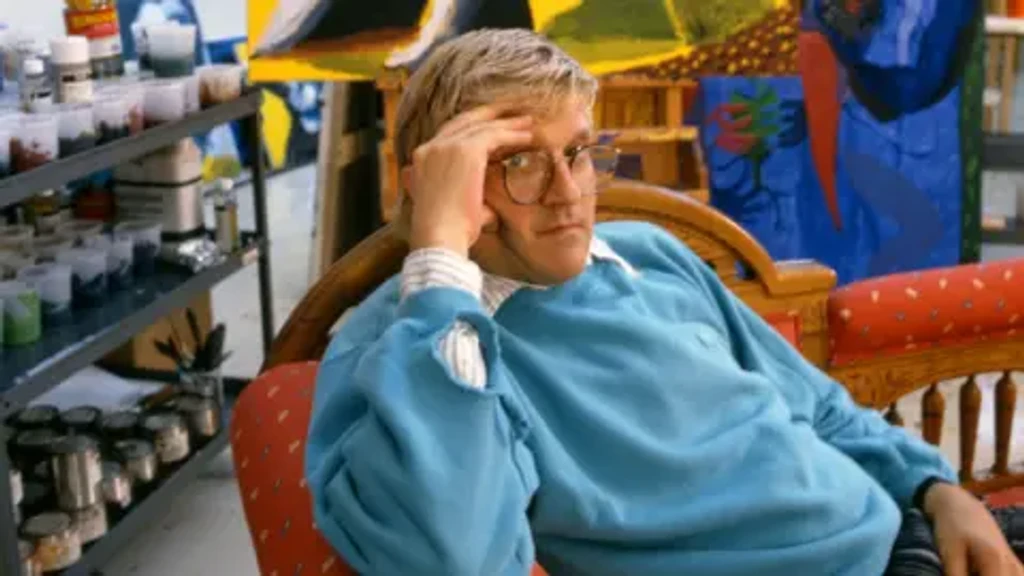
Born in Bradford in 1937, Hockney’s early life was shaped by wartime scarcity and a fierce dedication to drawing. Despite academic struggles, his talent propelled him to the Royal College of Art in London, where he became a central figure in the Pop Art movement. His move to Los Angeles in 1964 marked a pivotal shift, inspiring his famous series of California swimming pools that captured light, leisure, and queer identity with unprecedented vibrancy.
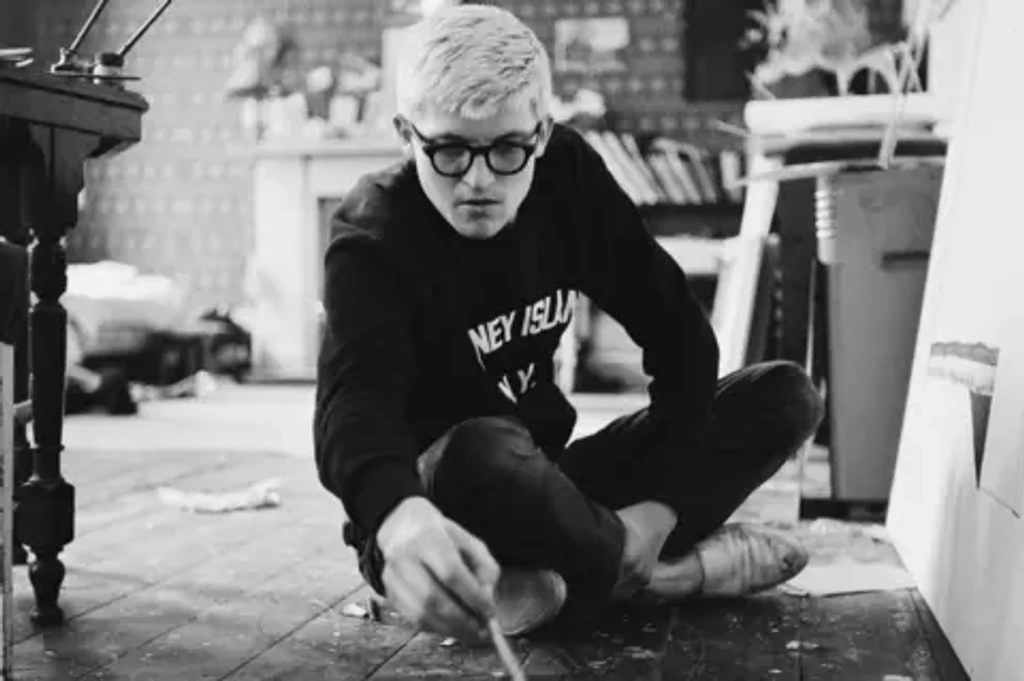
Hockney’s commercial success was monumental. In 2018, one of his pool paintings sold for nearly £70 million, setting a record for a living artist. Yet, he remained driven by a simple philosophy: paint what you love. This ethos guided his exploration of technology, from Polaroid collages in the 1970s to large-scale iPad drawings in his later years.

Beyond his canvas work, Hockney was a vocal cultural commentator. He campaigned against censorship, criticized political figures including Margaret Thatcher and Tony Blair, and championed artistic freedom. His later works focused on the Yorkshire Wolds and Normandy, reflecting a deep connection to nature and place.
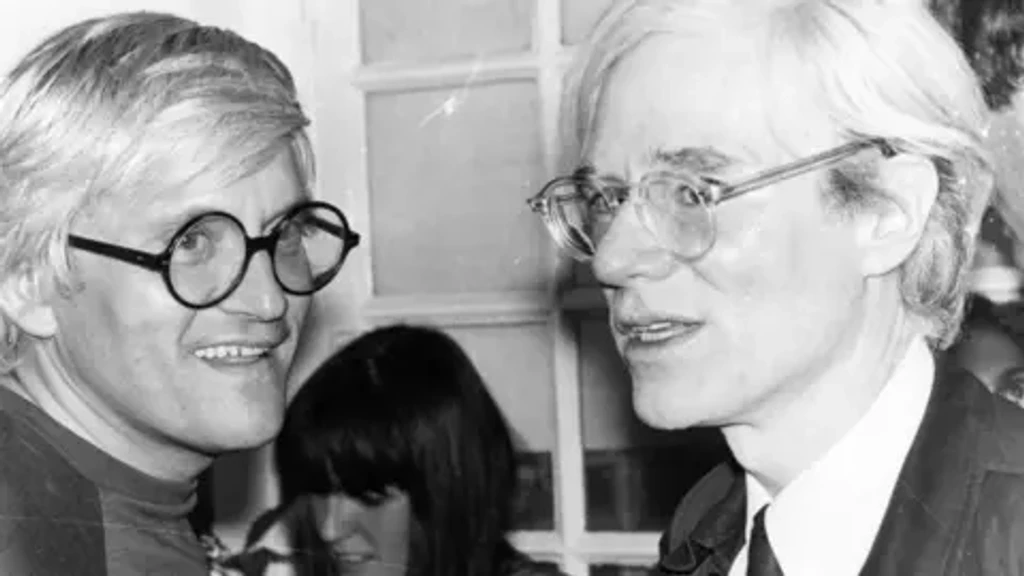
Hockney received numerous honors, though he often declined traditional titles like a knighthood. He accepted the Order of Merit, viewing it as a personal gift from Queen Elizabeth II. Tributes have poured in from the global art community, hailing him as a giant who consistently pushed boundaries until the end of his life.