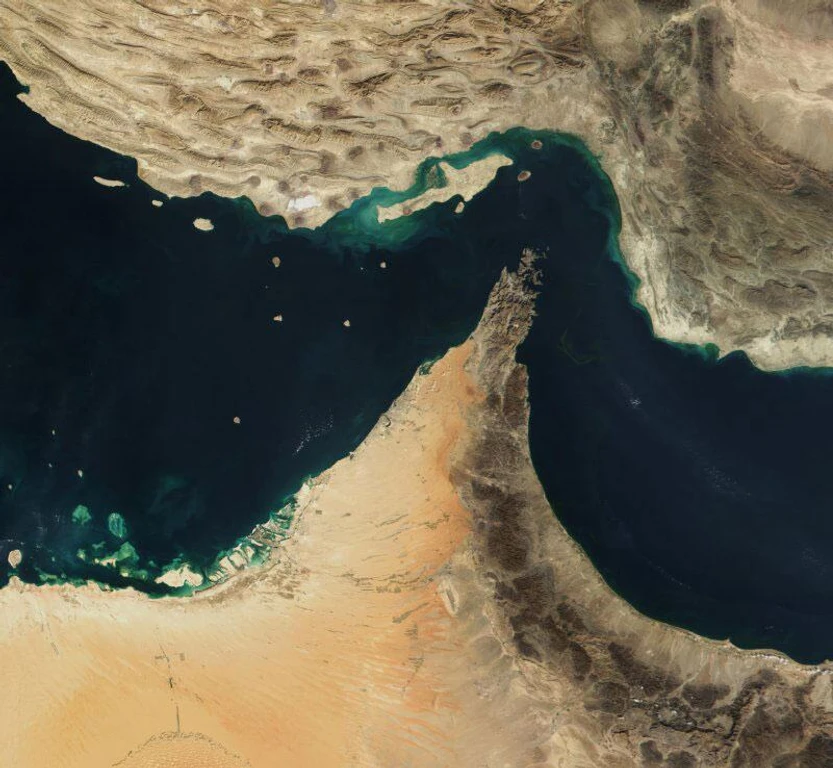
Despite a welcomed ceasefire extension, critical tensions persist around the Strait of Hormuz, a vital maritime chokepoint. Security incidents involving vessels in this narrow waterway, which handles a fifth of the world's oil supply and significant fertilizer inputs, continue to pose risks.
These disruptions are creating a widening humanitarian and economic shock. Rising oil prices and reduced maritime traffic are increasing costs for transport, electricity, and agricultural inputs in import-dependent Asian economies like Pakistan, Bangladesh, Nepal, and the Philippines.
This exacerbates pre-existing vulnerabilities, including high food insecurity and economic fragility, impacting millions of households. Food security risks are mounting as disruptions to ammonia and nitrogen shipments constrain fertilizer supply. Higher fuel and transport costs are also driving up food prices.
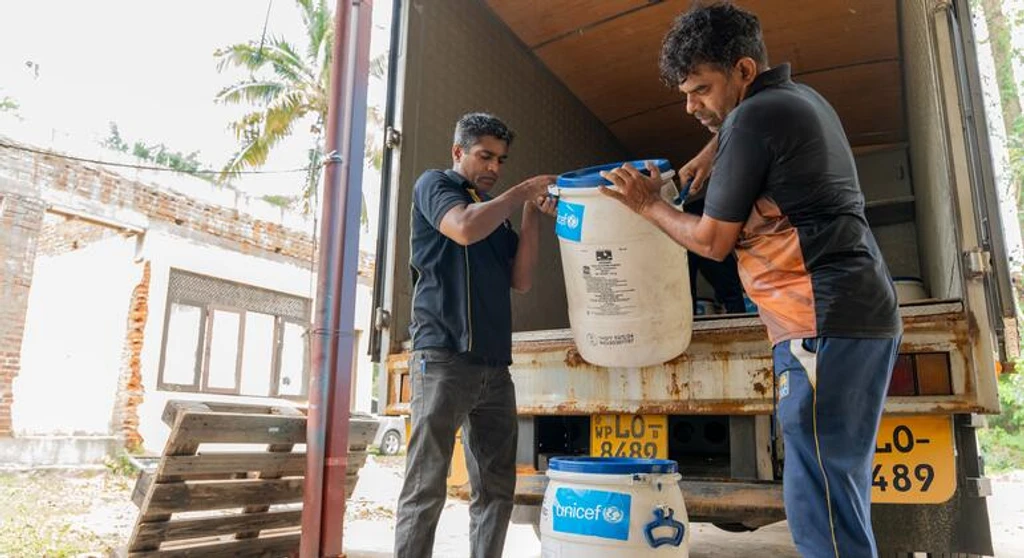
Humanitarian operations face significant pressure. Rising fuel costs, disrupted shipping routes, and higher insurance premiums make delivering assistance more difficult and expensive, especially in remote areas. Needs are rising while the cost of reaching affected populations is increasing, threatening scaled-back assistance.
The ongoing uncertainty in the Strait of Hormuz risks turning a temporary shock into a prolonged humanitarian crisis.