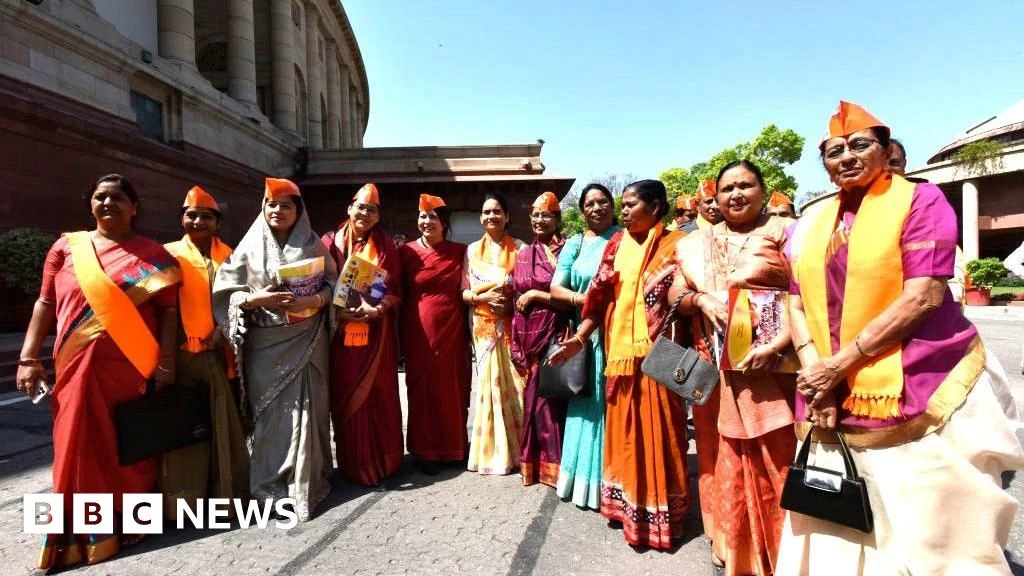
India is poised to significantly alter its political landscape by reserving one-third of seats in parliament and state assemblies for women. This constitutional amendment, requiring a two-thirds majority, will be unveiled during a special three-day parliamentary session. Currently, women constitute only about 14% of the 543 members in the lower house. The reform aims to increase this representation to roughly a third, aligning with global standards.
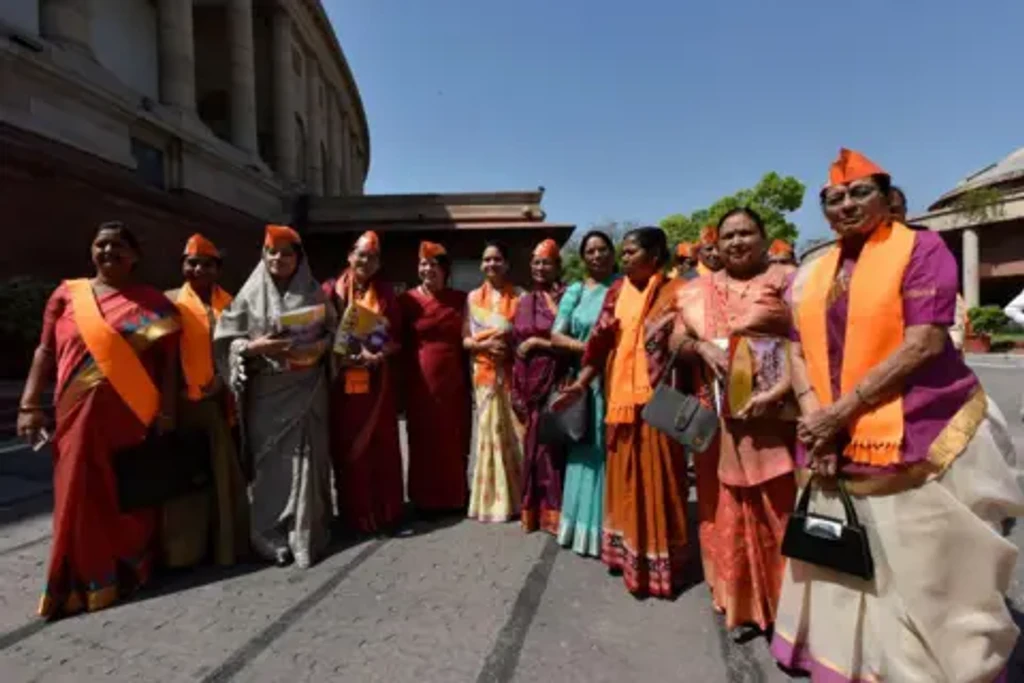
The implementation of this quota is now linked to a population-based redraw of constituencies, using data from the 2011 census. This process is expected to expand the lower house from 543 to approximately 850 seats. However, this move has ignited controversy, with opposition parties accusing the government of rushing these changes during an election period.
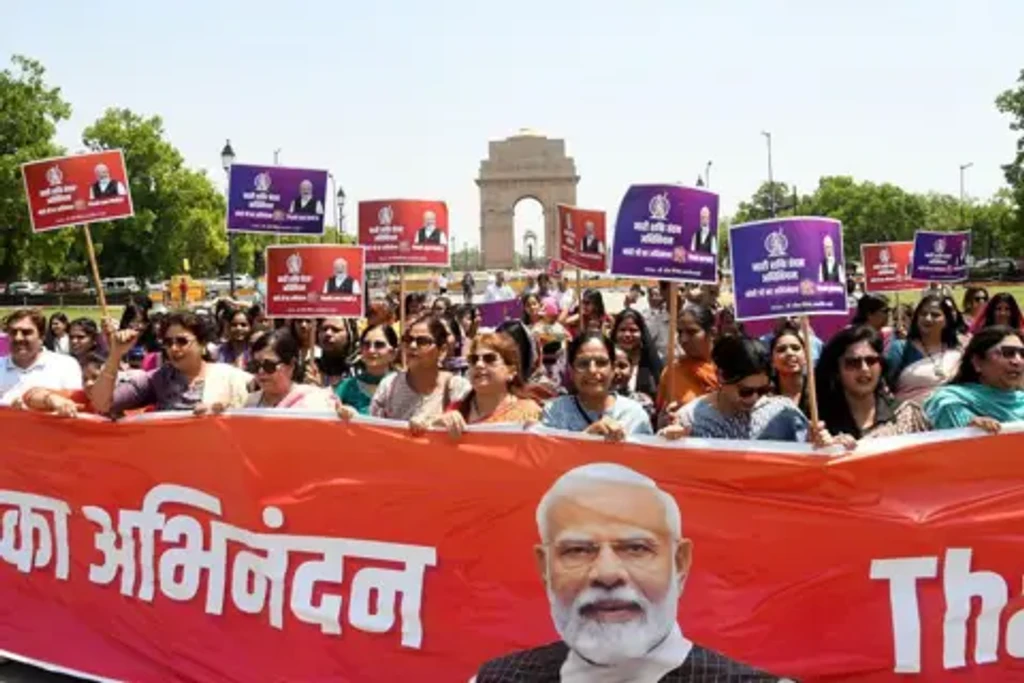
Opposition leaders argue that a simple women's quota is being complicated by a contentious redraw of constituencies, transforming a gender reform into a broader political overhaul. Concerns are particularly high in southern states, which have lower population growth and stronger economies, fearing a potential loss of parliamentary seats and influence. Experts also point to an unclear basis for the expanded seat numbers and a potential mismatch with state assemblies, raising questions about proportionality and federal implications.
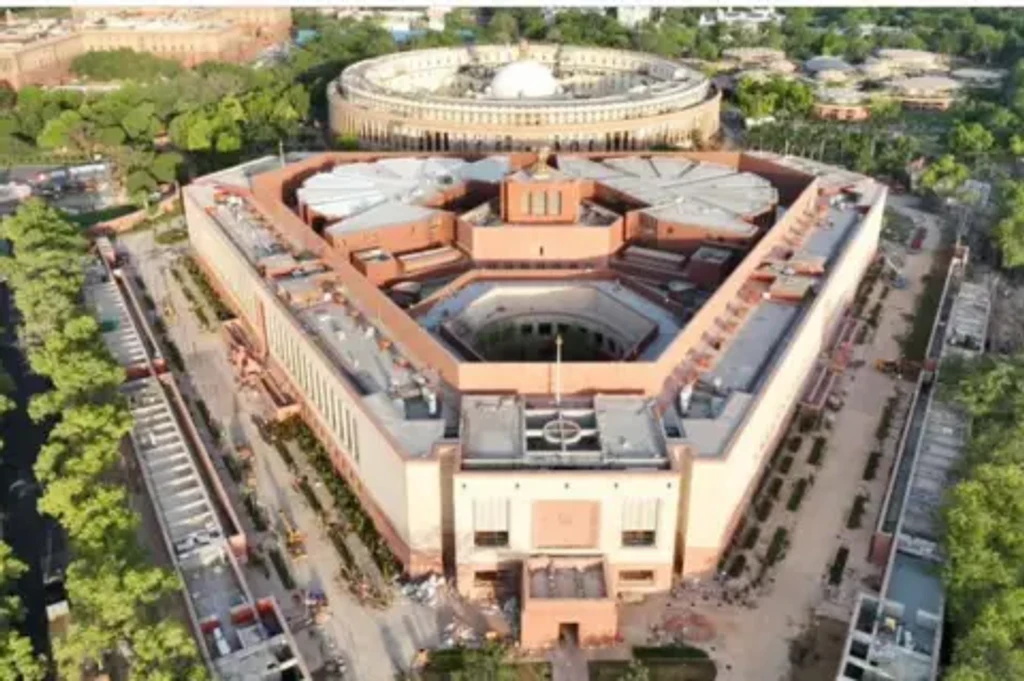
The government counters that delaying the delimitation process based on new census data would postpone the women's reservation well beyond the targeted 2029 implementation. The exact criteria for selecting reserved seats for women, especially considering existing reservations for Scheduled Castes and Scheduled Tribes, remains a complex aspect under discussion.