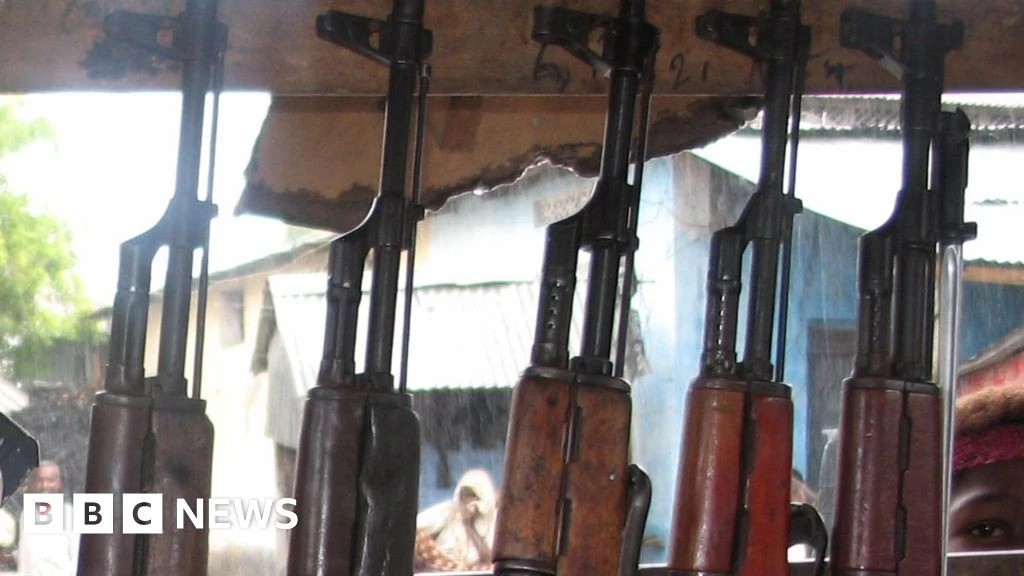
Yusuf Ali, now 34, still battles the psychological scars of fighting as a child soldier in Somalia's Islamist insurgency nearly 20 years ago. At 14, he joined the Muqawama resistance after the Ethiopian invasion-backed by the US-toppled the Union of Islamic Courts. He was trained in small arms and fought street battles in Mogadishu.
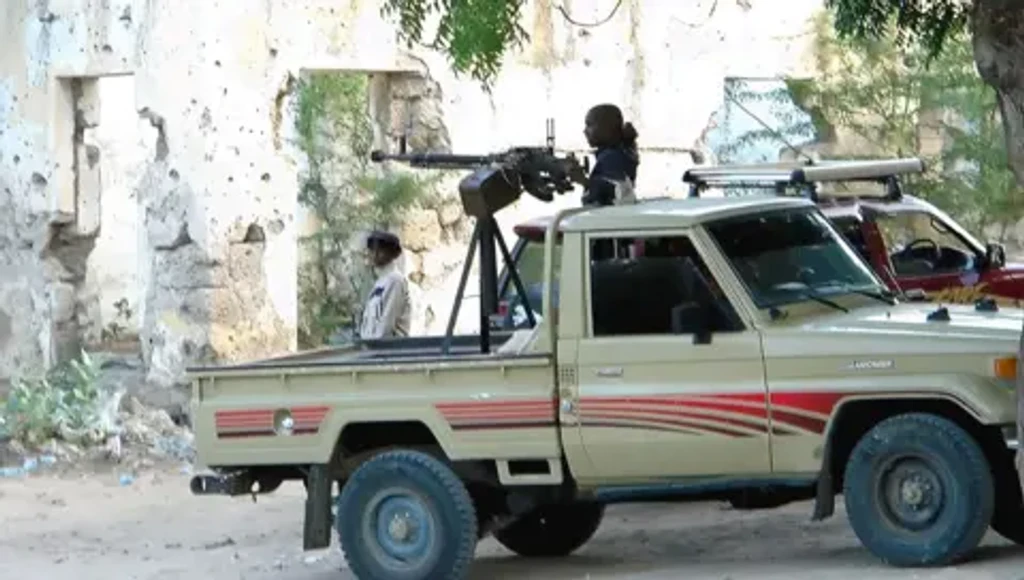
Fighters from the Union of Islamic Courts took control of Mogadishu in June 2006
Ali recalls the horror of shelling, seeing a dead girl his age, and the constant mantra: 'It was either killed or be killed.' After the war, he fled to South Africa but returned to a rebuilding Mogadishu. Now married with a son, he suffers from untreated PTSD, a widespread crisis in Somalia where mental health is taboo.
Ilyas Adam, a human rights legal consultant, says trauma is normalized, leading to chronic conditions and social exclusion. The UN reports child soldiers as young as eight, mostly from al-Shabab, but also in government forces. Efforts to address the issue face cultural resistance, though vocational schools offer a glimmer of hope.
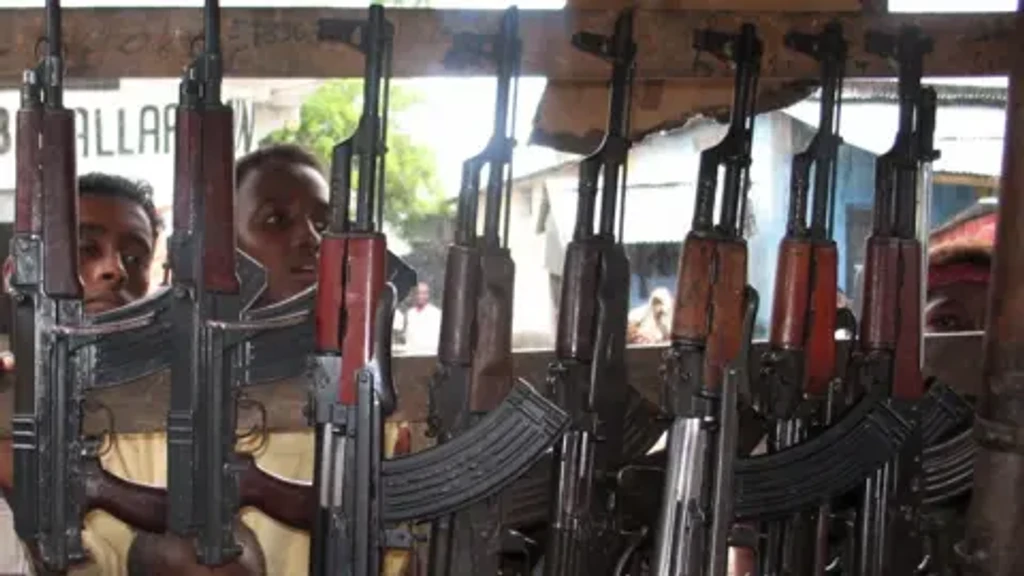
Following the collapse of Somalia's government in 1991 it was easy to buy a weapon in Mogadishu
Ali's neighborhood, Huriwaa, remains a feared al-Shabab stronghold with no state services. He sees the rubble and remembers the bloodshed, lamenting a 'never-ending cycle of violence' in Somalia.