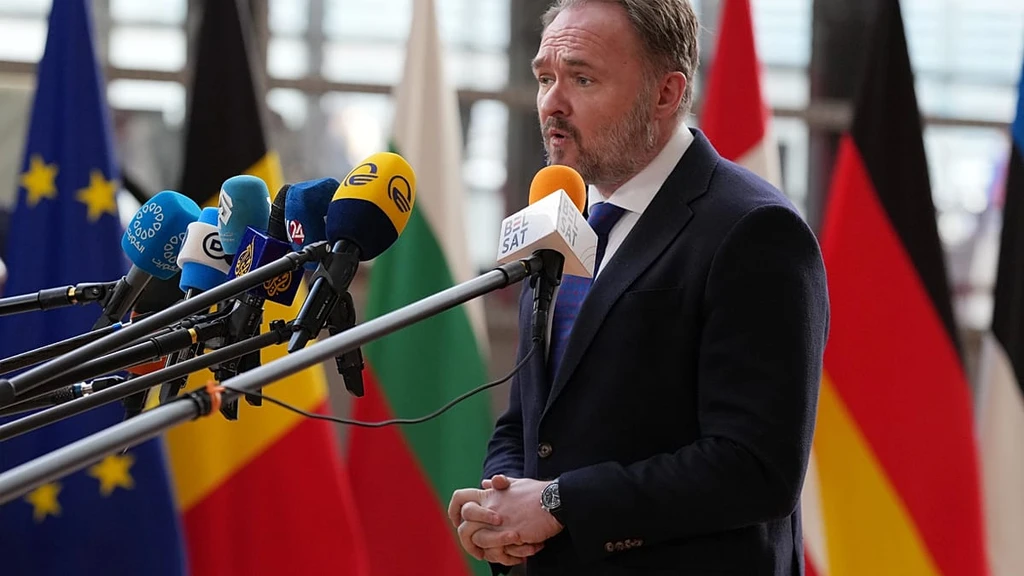
European Commissioner Dan Jørgensen has called on EU member states to take action to reduce oil and gas demand, focusing especially on transportation. The move comes amidst concerns over a possible closure of the Strait of Hormuz, which is crucial for global oil and LNG trade, impacting around 25-30% of oil and 20% of LNG worldwide.
The EU is heavily reliant on imports from the Gulf region for diesel and jet fuel, with approximately 20% of these fuels coming from Saudi Arabia and Kuwait. Rising oil prices, driven by the Iran conflict, have already increased diesel costs, leading to potential summer flight cancellations as supplies dwindle.
Jørgensen also highlighted the need for adequate gas storage for the winter without causing price hikes, emphasizing the need for unified action across EU countries to stabilize the market. The EU is currently prepared with emergency oil stocks equivalent to a year of Germany’s consumption but continues to diversify its global supply sources to mitigate risks.
Despite current manageable oil supplies, the EU faces significant challenges in maintaining availability and affordability of key fuels like diesel and jet fuel, which are critical for daily operations. The EU is working to prevent a repeat of the 2022 energy crisis by coordinating the release of strategic reserves and promoting biofuels as alternatives.