Gökova Bay in Türkiye, once ravaged by overfishing and environmental degradation, now stands as a beacon of marine conservation success. Designated a Marine Protected Area (MPA) in 2010, the bay has seen its fish species population rebound by 73%, with endangered monk seals returning to breed.
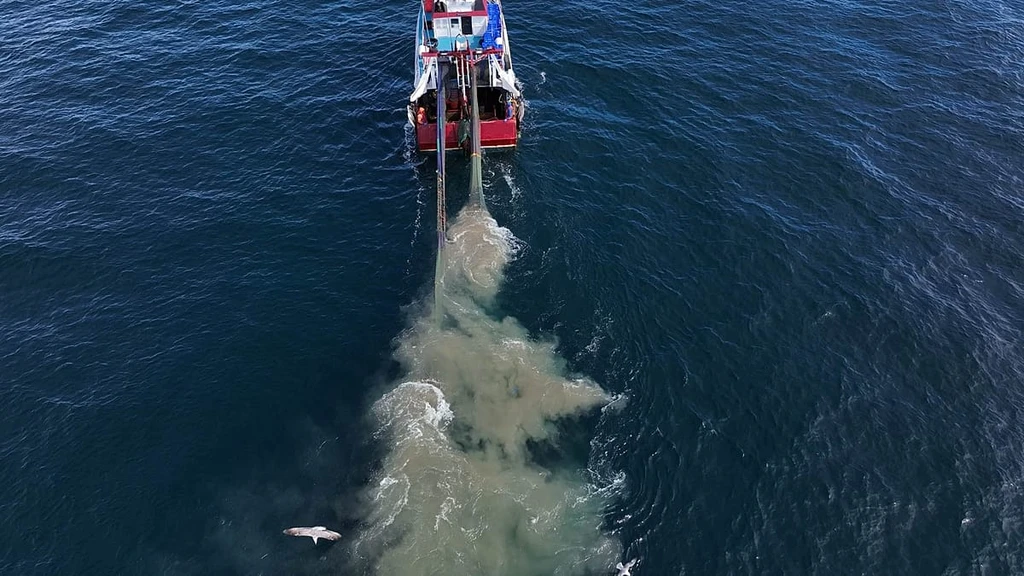
This transformation has led to a 300% increase in income for local fishers. In stark contrast, many of Europe's 6,000 MPAs are failing, with bottom trawlers continuing destructive practices in over half of them. These industrial vessels drag heavy nets across the seabed, indiscriminately capturing marine life.
Taxpayer subsidies of €1.17 billion prop up European bottom trawlers, which release millions of tons of CO2 annually. A study by National Geographic Pristine Seas reveals that the societal costs of this practice, primarily from climate impacts, reach up to €16 billion yearly. This dwarfs the industry's annual profits of €180 million and contributes significantly to food waste, with up to 75% of catches discarded.
Gökova Bay's success hinges on strict no-fishing zones and community-led enforcement. Marine rangers, often former local fishers, patrol the bay daily. This model, which saw Gökova Bay recognized as one of the world's best MPAs in 2017, offers a crucial lesson for Europe.
While the European Commission aims to phase out bottom trawling in MPAs by 2030, progress is slow. Greece and Sweden have initiated bans in their MPAs, but many European protected zones remain minimally safeguarded. Eliminating bottom trawling from MPAs could yield immediate emission cuts and ecosystem restoration, benefiting nearby fisheries. Experts emphasize that community involvement, alongside policy, is vital for effective ocean protection.