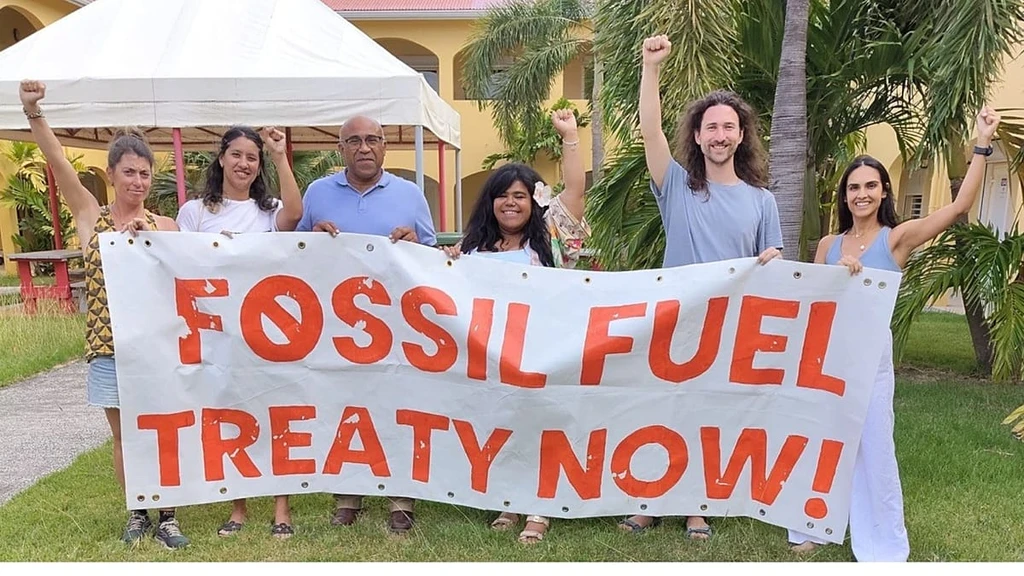
A pivotal international conference on transitioning away from fossil fuels is underway in Santa Marta, Colombia. This event, co-sponsored by Colombia and the Netherlands, aims to create actionable solutions and a concrete roadmap for governments worldwide.
Unlike typical UN climate summits, this conference will operate on majority rule, avoiding the pitfalls of consensus-based decision-making that have stalled progress at previous COPs. The goal is to ensure a "just transition" that mitigates adverse impacts on employment, macroeconomic stability, and energy security.
Experts, activists, Indigenous leaders, and union representatives are participating alongside government officials from nearly 50 countries. Notably, nations economically reliant on fossil fuels, such as Brazil and Mexico, are attending, alongside European leaders from Germany, France, and Norway.
The participating countries, which collectively backed a fossil fuel roadmap at COP30, boast a combined GNP exceeding that of the United States. This economic leverage could significantly influence global financial markets and government policies as they move towards phasing out fossil fuel subsidies, estimated at $7 trillion annually.