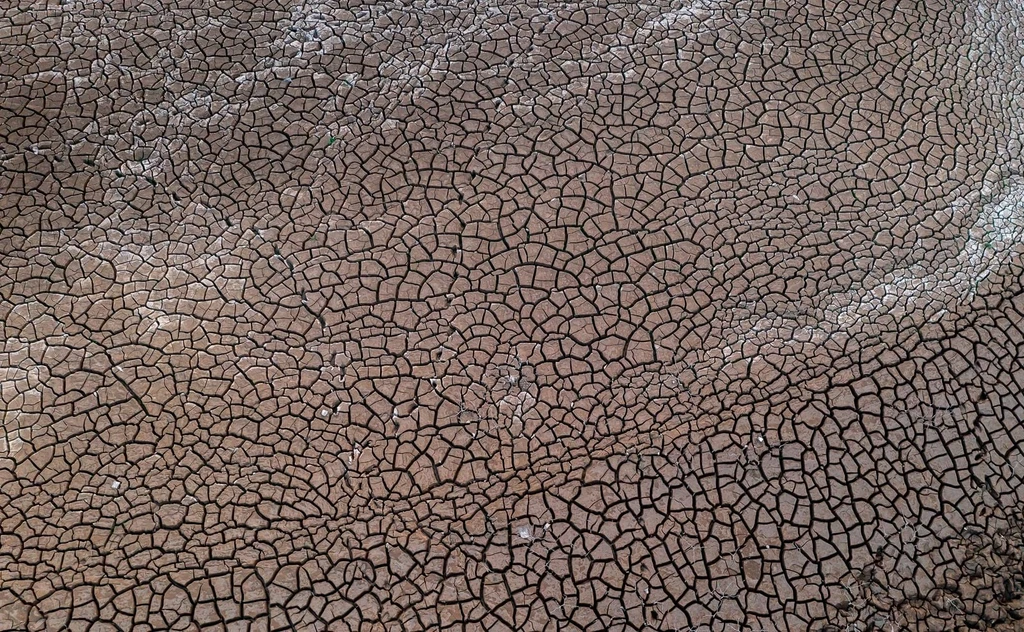
The world faces a historic convergence of shocks: a developing super El Niño colliding with the Iran war, a combination that traditional risk models were not built to handle.
Ocean warming conditions indicate a very strong El Niño event, potentially among the most powerful in a century. Historical comparisons, such as the devastating 1876-78 cycle, highlight the severe consequences for agriculture.
The impact on crops is geographically specific. India, a major rice and wheat exporter, is experiencing a drier monsoon, threatening output. Southeast Asia faces drought risks to palm oil, coffee, and cocoa. In South America, flooding could disrupt soybean and corn logistics.
The Iran war acts as a multiplier, driving up energy costs, choking fertilizer availability-particularly urea and potash-and rerouting shipping. Lower-income nations in Africa, dependent on Gulf-transited grain, are especially vulnerable.
Wealthier nations may buffer price shocks through processed food reformulation, swapping expensive ingredients for cheaper ones. This can mask headline inflation but often reduces nutritional quality. Fresh food prices, however, will rise directly.
Central banks face renewed inflationary pressure. A lasting food shock could rewrite expectations for interest rate cuts. Food inflation is politically corrosive and often triggers export bans and hoarding, as seen with India's rice restrictions in 2023.
The compounding effects extend to public health. Past El Niño events have shifted disease vectors, and a malnourished or displaced population is more vulnerable. The order of likely market failures begins with rice and palm oil, followed by coffee and cocoa. Fertilizer supply is a critical wildcard for the 2027 planting season.
The global food system is entering a period of low margin for error. The simultaneous shocks risk triggering export bans, fertilizer hoarding, and shifting diets for millions, with effects that could compound for years.