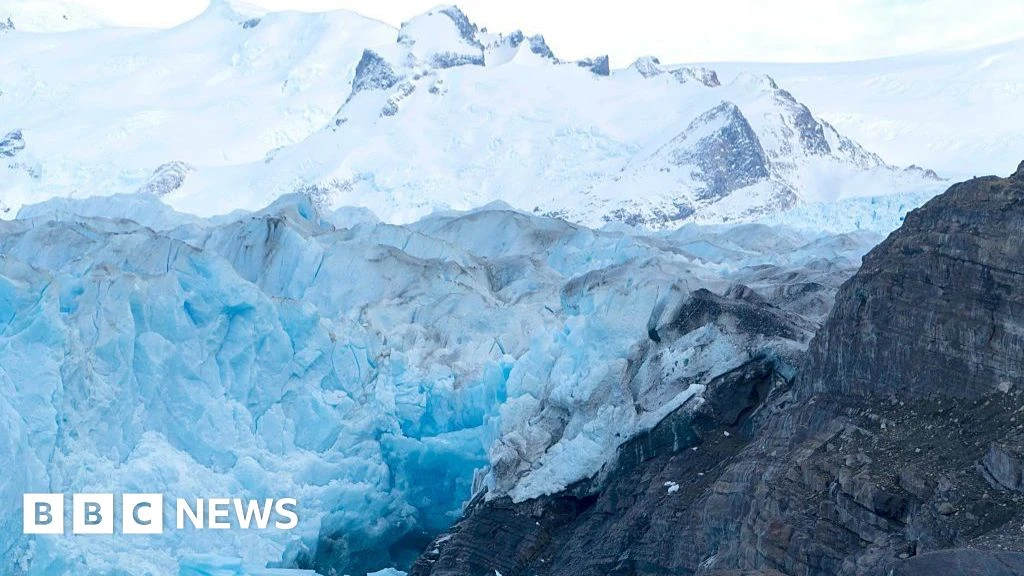
Argentina's vital glacier protection law has been significantly weakened, sparking fears for the future of the nation's water supply. Winemakers in Mendoza, a region heavily reliant on Andean snowmelt and glacier water for irrigation, are particularly concerned. Virginia de Valle, whose family vineyard depends on these sources, states, "Without water, there would be no wine." The Andes' glaciers are critical in mitigating droughts, increasingly common in Mendoza.
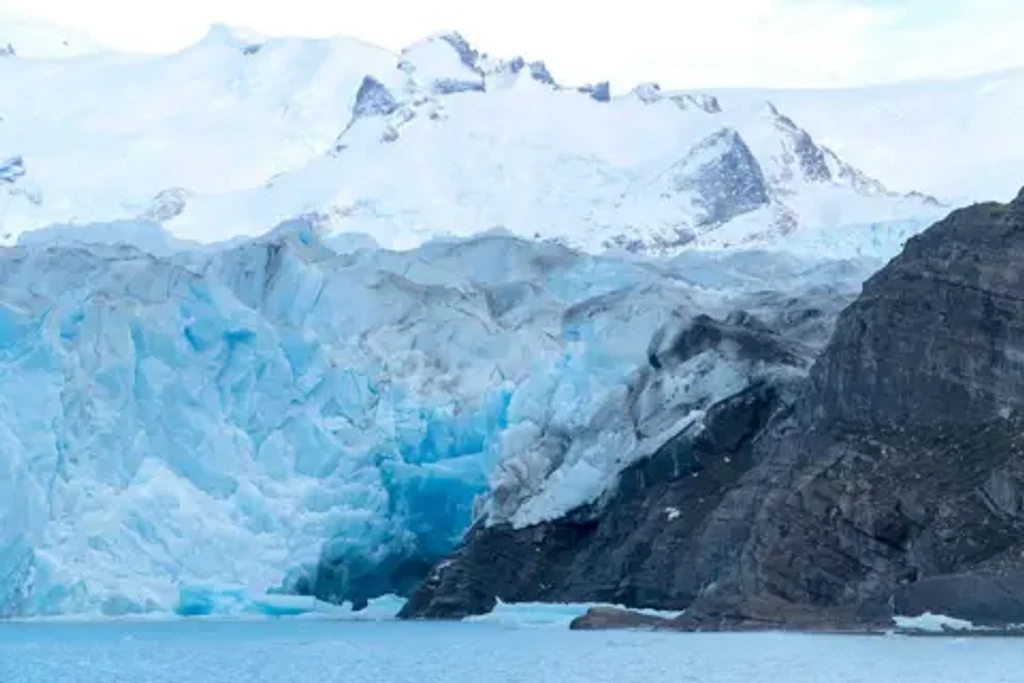
Argentina boasts 16,968 glaciers, serving 36 river basins across 12 provinces and providing water for seven million people. The 2010 law, which protected glaciers as vital water reserves and prohibited damaging commercial activity, has been amended. Provincial governments now hold the power to decide if glaciers are of "strategic importance," potentially allowing them to be removed from national protection if deemed non-essential for human consumption, agriculture, biodiversity, scientific information, or tourism.
Supporters of the reform argue the previous law hindered extraction projects, particularly for copper and lithium, which they believe will boost regional economies and aid the energy transition. However, opponents warn that large-scale mining could disrupt river flows and jeopardize water security for millions. Environmental groups have launched campaigns with slogans like "Hands off the glaciers."
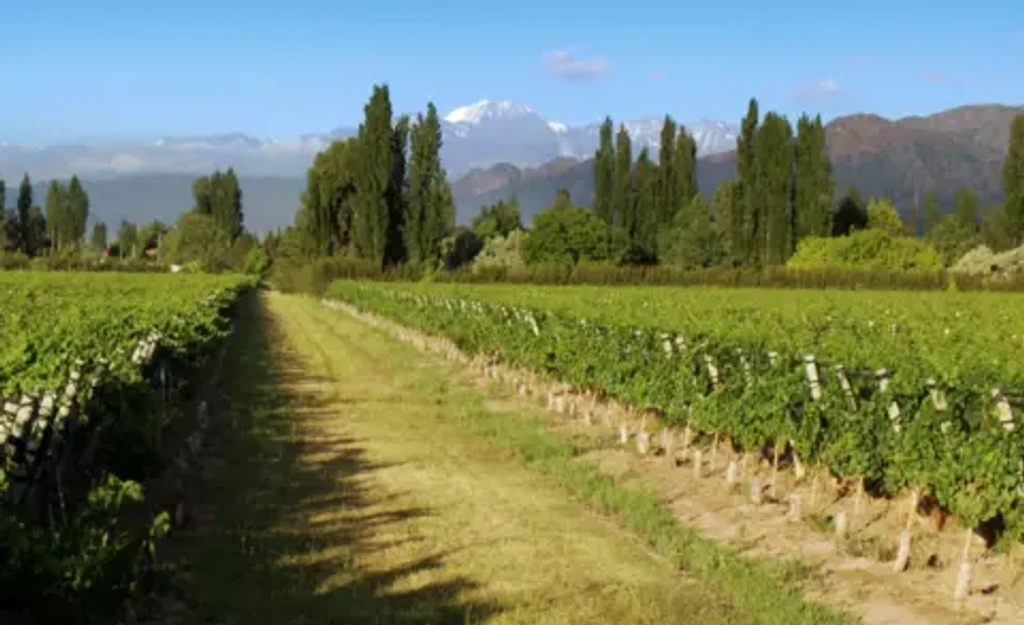
President Javier Milei views the Andes as a key to unlocking billions in mining investment. He has emphasized Argentina's lack of copper exports compared to neighboring Chile. Mining firms are reportedly keen to invest around $40 billion in Argentina's copper industry. Glaciologists, however, call the amendment's premise that some glaciers do not contribute to rivers "false," asserting that any glacier contains ice and therefore contributes water. They express concern over the unclear criteria and potential risks to all glaciers and periglacial environments.
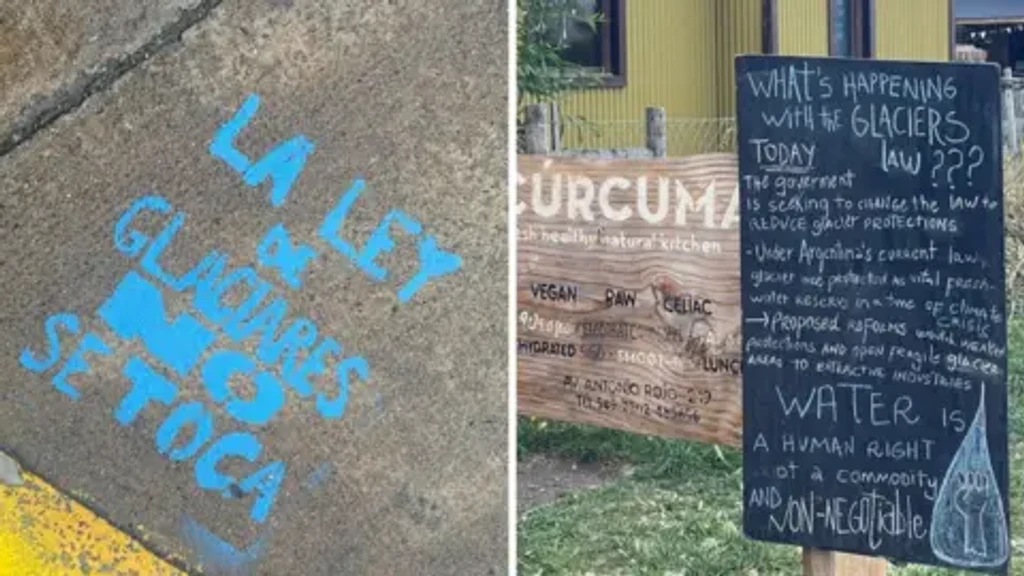
Despite the scientific community's acknowledgement of the paradox between the need for minerals for the energy transition and the melting of glaciers, environmental groups fear that financial incentives will lead provinces to relax protections. They are concerned that provinces with fewer environmental restrictions will be favored by international companies. Meanwhile, Virginia de Valle continues to educate visitors about the law changes, stating, "It will affect wineries, but first, it will affect life."