“Fossil fuel dependency is ripping away national security and sovereignty, and replacing them with subservience and rising costs,” warns Simon Stiell, United Nations Framework Convention on Climate Change (UNFCCC) Executive Secretary, at the Green Growth Summit in Brussels.
Electricity and gas prices have spiked since the war on Iran began February 28-driven by Iranian attacks on commercial shipping in the Strait of Hormuz, a chokepoint carrying one-fifth of global oil supplies.
Renewables outpaced fossil fuels for EU electricity generation last year-but Europe remains more reliant on fossil fuel imports than nearly any major economy. Spain illustrates the alternative: since 2019, it doubled wind and solar capacity, insulating its electricity prices from volatile gas markets.
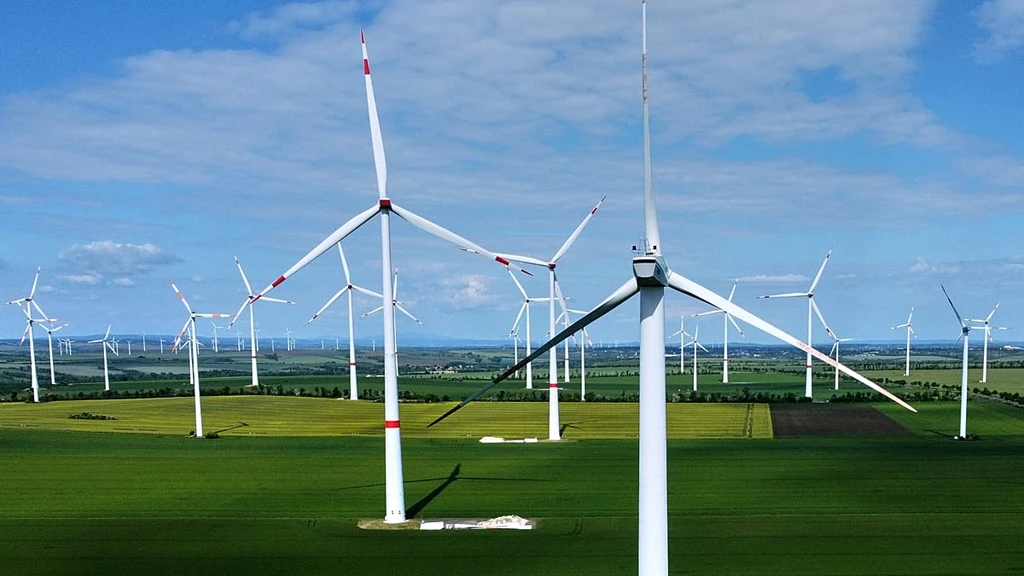
“Renewables turn the tables,” says Stiell. “Sunlight doesn’t depend on narrow, vulnerable shipping straits. Wind blows without taxpayer-funded naval escorts.”
At today’s summit, EU Energy Ministers join climate leaders and investors to accelerate the low-carbon transition. Stiell calls renewables “cheaper, safer, and faster to market” than fossil fuels-contrasting them with recent LNG deals and coal plant reopenings that lock in long-term vulnerability.
Oil prices surged to $100 per barrel-up from $60-$70 pre-conflict-as fossil fuel majors capitalized on the crisis. A 400-million-barrel emergency release-equivalent to just four days of global supply-failed to stabilize markets.
A UK Climate Change Committee report confirms: achieving net zero by 2050 costs less than one future fossil fuel price shock. Renewables also cut pollution, boost public health, and create jobs. Last summer’s climate extremes cost Europe €43 billion.
“Meek dependence on fossil fuel imports will leave Europe forever lurching from crisis to crisis,” Stiell concludes.