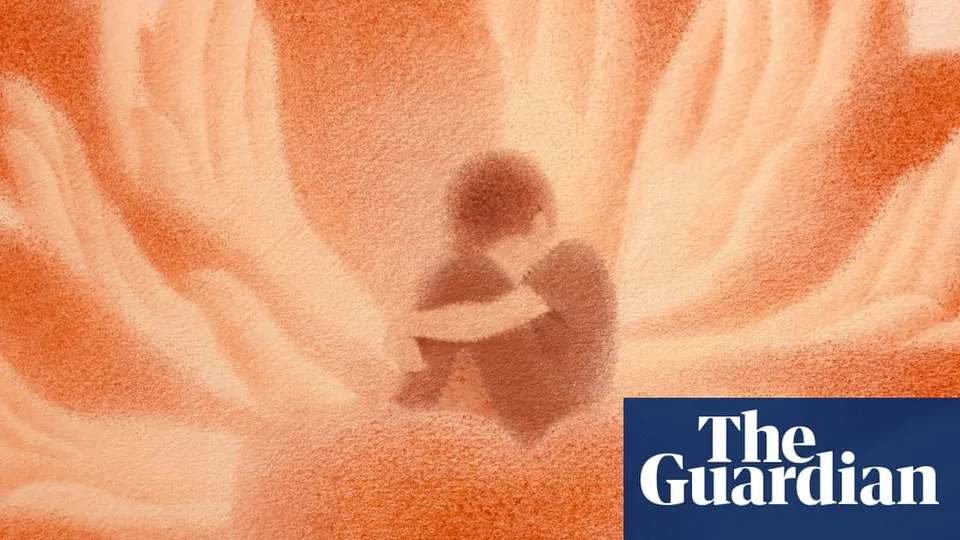
A routine Tuesday for a university researcher turned into a harrowing ordeal when she was unlawfully arrested, handcuffed, and detained for six weeks in an ICE prison. The arrest followed the publication of an op-ed advocating for democratic resolutions and affirming the dignity of all people.
This personal encounter with state violence shattered her sense of safety. The author describes intrusive memories, nightmares, profound fatigue, and emotional numbness as lingering effects of the trauma. She contrasts this with previous conceptual understanding of trauma gained from volunteering with Syrian refugee children and her own experience surviving the 1999 Marmara earthquake.
The distinction between natural disasters and human-made trauma is stark. While natural disasters have a clear end and are beyond human control, human-made trauma is compounded by the knowledge that another person deliberately inflicted harm. This realization erodes trust and a sense of security.
During her detention, the author witnessed firsthand how prison staff inflicted suffering through dehumanization and denial of basic needs, making the trauma more profound. This experience fostered a stronger connection to others facing human-made trauma, particularly children affected by war and oppression.
She highlights the vulnerability of children, who often lack the emotional resources and support systems adults may possess. The author cites a report indicating that 96% of children surveyed in Gaza felt death was imminent, a devastating consequence of human-made trauma for which collective responsibility is urged.
Drawing on expert insights, the article emphasizes that solidarity and community are potent antidotes to the isolation, shame, and fear that trauma breeds. The author's own recovery has been bolstered by the care of friends, colleagues, and anonymous supporters, illustrating how collective support can transform an individual's healing journey.
The piece calls for a global community united through care, urging individuals to grieve for suffering children and take action. This action can range from listening and bearing witness to engaging in civic advocacy. The author stresses the importance of speaking out against atrocities, particularly for those with privilege, to set norms for how children are treated worldwide.
Ultimately, the article posits that the care of strangers and the global community can help restore the fragments of childhoods stolen by war and atrocity, restoring humanity to those who have been dehumanized.