The World Weather Attribution group reports that human-induced climate change is intensifying extreme weather events far more than El Niño cycles alone. A study showed human-caused warming "far eclipsed" the effects of a strong El Niño on extreme rains in the Horn of Africa in late 2023.
Professor Jemilah Mahmood of the Sunway Centre for Planetary Health warned that projections for 2024 include serious climate impacts from the combination of long-term warming and El Niño, especially extreme heat. "Heat is exactly the kind of crisis that our systems are designed to ignore until it's too late," she said, citing an estimated 546,000 annual heat-related global deaths.
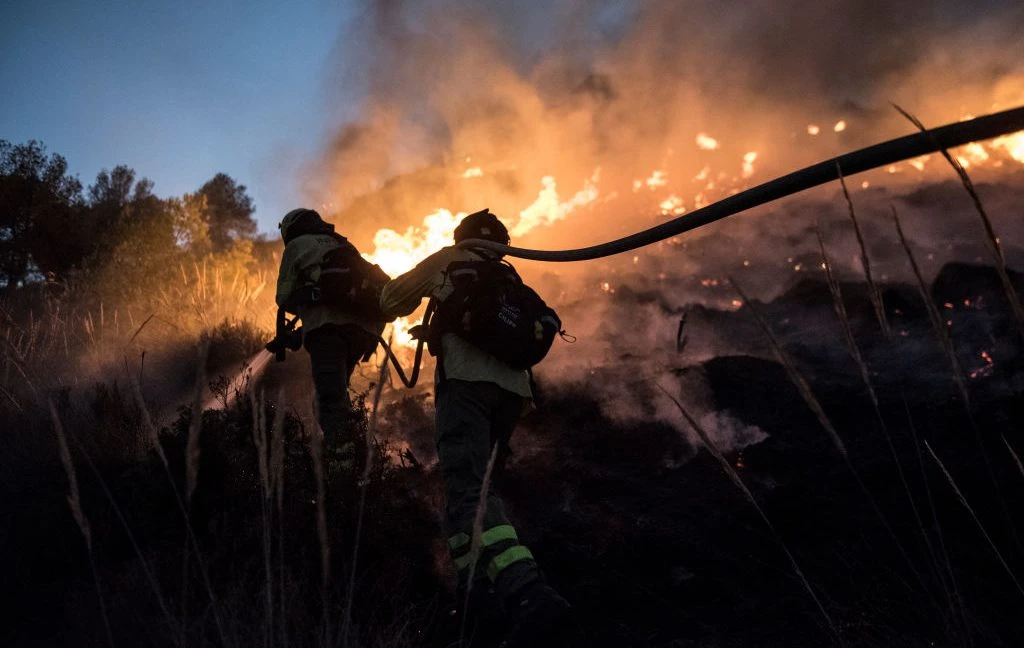
Researcher Theodore Keeping of the University of Reading noted that wildfire-prone regions including the Amazon, Canada, the western U.S., and Australia face a "severe year" with potentially damaging fire conditions. El Niño-driven droughts and planetary heating create a "whiplash" effect, where heavy rains fuel rapid vegetation growth that becomes combustible during subsequent heat and drought.