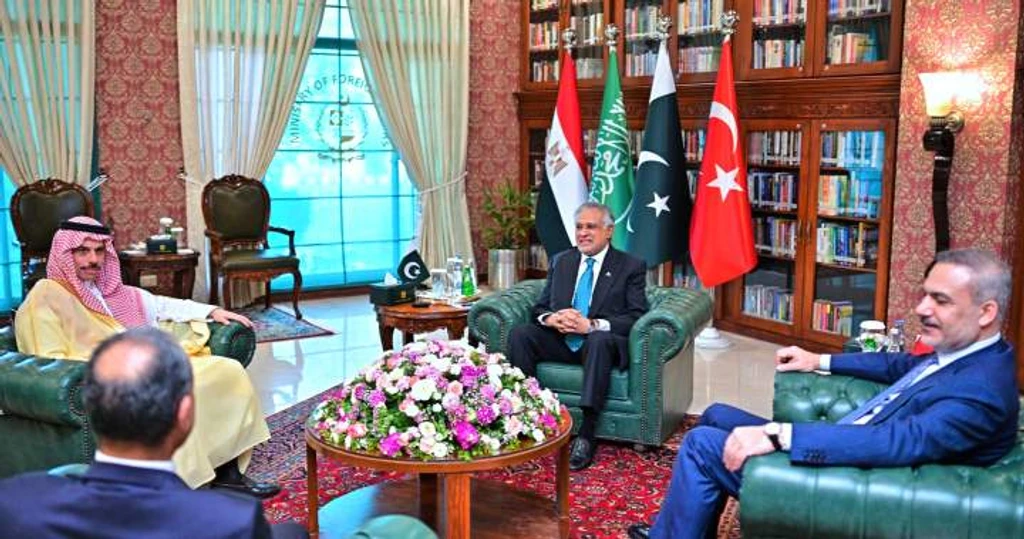
A top Iranian official warned the U.S. against a ground invasion, saying American troops would be set “on fire,” as regional diplomats met in Pakistan to seek an end to the monthlong war.
Iran’s parliament speaker, Mohammad Bagher Qalibaf, dismissed recent talks as a cover while the U.S. sends more troops to the region. Tehran vowed harsh responses against U.S. forces and its regional allies.
Pakistan hosted foreign ministers from Saudi Arabia, Turkey, and Egypt in efforts to open direct U.S.-Iran dialogue. The U.S. had earlier proposed a 15-point peace framework, which Iran rejected.
Meanwhile, Iran eased restrictions for some commercial ships through the Strait of Hormuz, allowing 20 Pakistani-flagged vessels to pass.
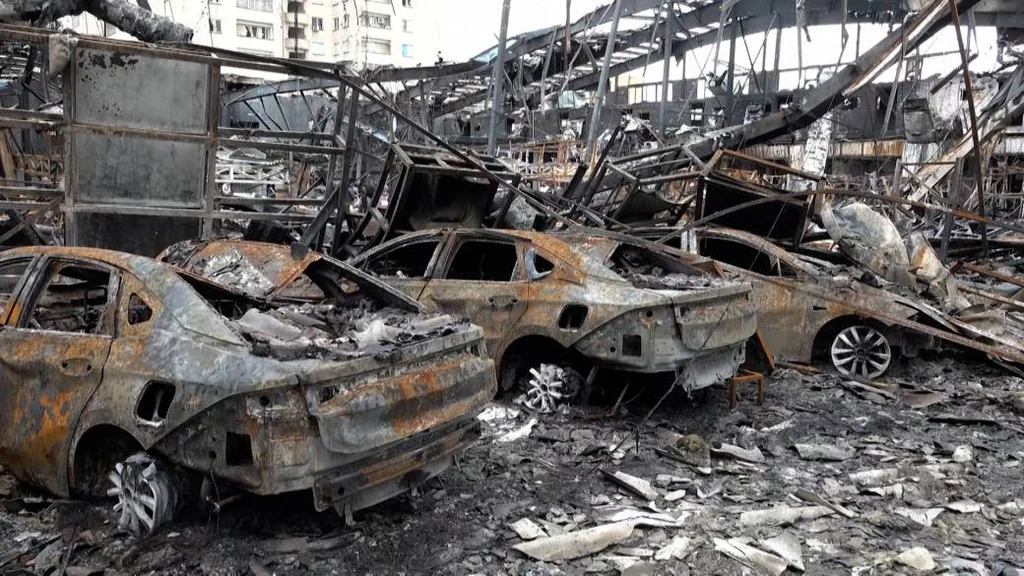
The conflict entered its second month with intensified strikes. Israel reported incoming Iranian attacks, while explosions echoed in Tehran. Over 3,000 people have died across the region, including in Lebanon, Iraq, and Gulf states.
Iran’s Revolutionary Guard threatened retaliatory strikes on Israeli and American universities unless Israel halts attacks on Iranian institutions.
The Iran-backed Houthis launched missile strikes on Israeli military sites from Yemen, raising fears of broader regional destabilization. Their previous attacks disrupted Red Sea shipping, impacting global oil flows.
U.S. officials insist objectives can be met without deploying ground troops, amid growing domestic resistance to escalation.