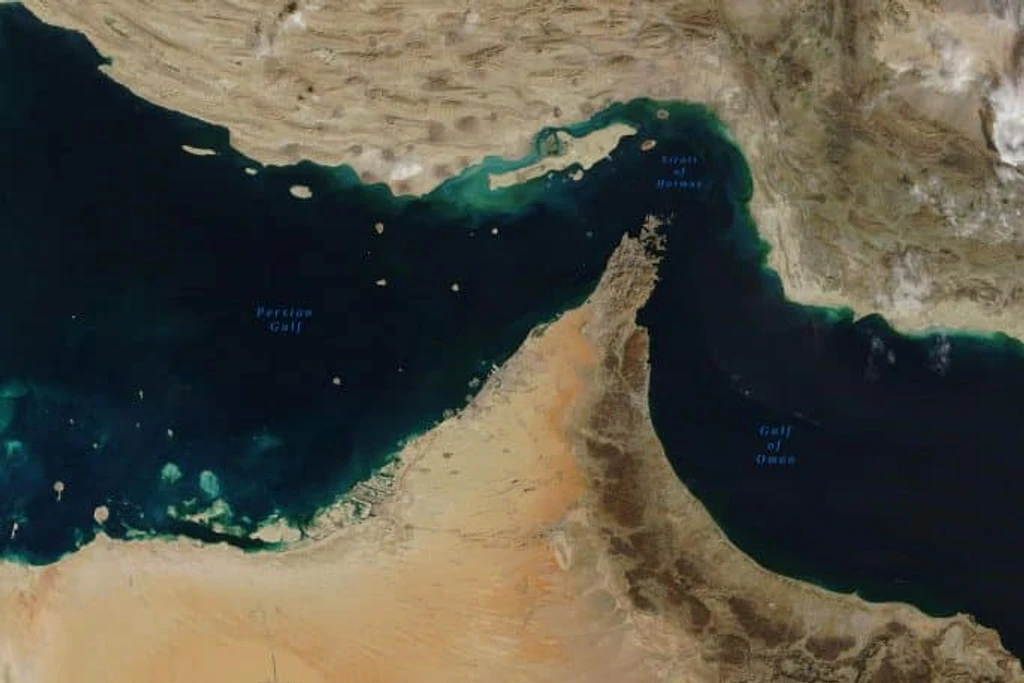
Iran's decision in early March 2026 to close the Strait of Hormuz has effectively severed a strategic maritime chokepoint, disrupting roughly 20% of the global crude oil supply. The blockade threatens not only energy markets but also water and food supplies across the Gulf region.
In response, Gulf states are accelerating investments in alternative export routes, notably Saudi Arabia's Yanbu Port and the UAE's Fujairah Port. This strategic pivot aims to mitigate the immediate supply crunch and ensure continued trade flows.
On prediction markets, the contract for 'Will 20 ships transit the Strait of Hormuz on any day by May 31' is currently pricing at 76% YES, up from 66% 24 hours ago, signaling persistent optimism despite the ongoing blockade. U.S. and allied forces have so far been unable to reverse the closure, underscoring Iran's capacity to enforce maritime restrictions. Observers are now watching U.S.-Iran negotiations and the progress of alternative port infrastructure as key factors that could resolve or prolong the crisis.