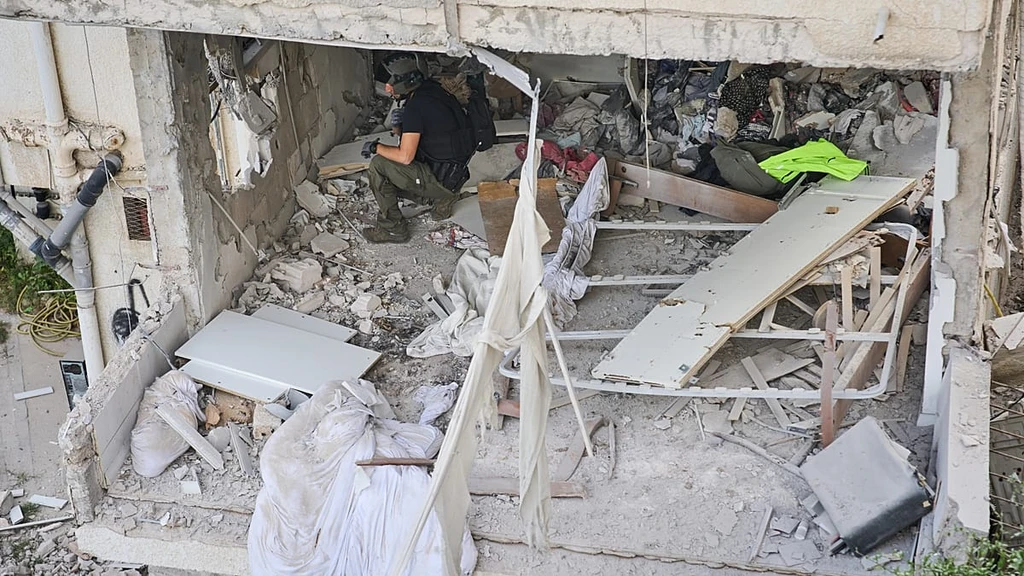
Israel and Iran launched reciprocal airstrikes early Friday, jolting global energy markets and raising fears of wider regional conflict.
Explosions rocked Tehran and Jerusalem simultaneously as families observed Eid al-Fitr. Sirens blared across northern Israel-from Haifa to the Lebanese border-sending millions into shelters.
Iranian state media confirmed four rapid missile salvos targeting Israel, following a day in which Israel reported a dozen Iranian launches. Heavy blasts also struck Dubai, where air defenses intercepted incoming fire during morning prayers.
Saudi Arabia confirmed its SAMREF refinery in Yanbu on the Red Sea was hit, underscoring mounting pressure on Gulf energy infrastructure.
The escalation follows Israeli Prime Minister Benjamin Netanyahu’s announcement that, at U.S. President Donald Trump’s request, Israel will halt further attacks on Iran’s South Pars gas field-the world’s largest.
Trump publicly distanced himself from the earlier Israeli strike, saying in the Oval Office: “I told him, ‘Don’t do that.’” He emphasized coordination but acknowledged Netanyahu sometimes acts unilaterally.
Netanyahu claimed Iran’s ability to enrich uranium or build ballistic missiles has been destroyed, though offered no evidence. Despite heavy losses-including the death of Iran’s supreme leader in the war’s opening days-Iran retains drone and missile capabilities and shows no sign of surrender.
The conflict has tightened Iran’s grip on the Strait of Hormuz, through which 20% of global oil flows. Brent crude surged past $119 a barrel-up over 60% since hostilities began February 28-while European natural gas prices have doubled in a month.