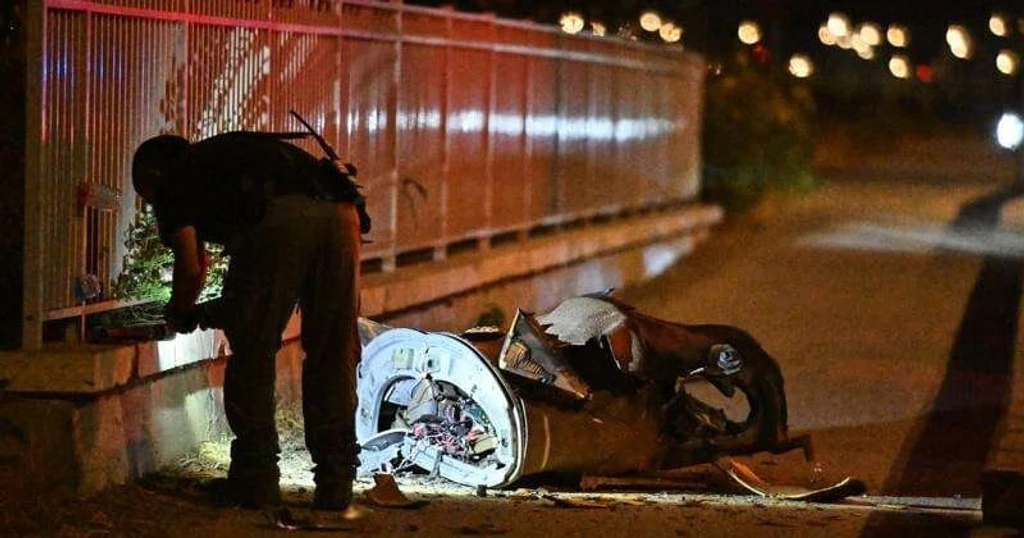
Iran fired waves of ballistic missiles at Israel on June 7, 2026, shattering a ceasefire that had survived barely two months. The attack came in direct response to Israeli airstrikes on Hezbollah positions in southern Beirut. It marks the first time Iranian missiles have struck Israeli soil since a US-brokered pause in hostilities was established in April.
Nearly 30 missiles were launched, aimed primarily at northern and central Israel. Defense systems intercepted the vast majority, limiting damage and casualties. Israel retaliated by striking Iranian military facilities across western and central Iran, including truck-based missile launchers and a petrochemical plant in Tehran.
The April 2026 ceasefire represented the first real pause in a cycle of direct military exchanges between Iran and Israel that intensified in early 2025. Israel's strikes on Hezbollah, Iran's most important proxy force, triggered the latest escalation. Both sides quickly signaled they wanted to step back from the brink, with US President Donald Trump urging restraint and emphasizing diplomatic solutions.
Hezbollah's involvement in Lebanon adds another layer of complexity. Its military objectives remain intertwined with Iranian regional strategy, meaning any Israeli action in Lebanon risks triggering a Tehran response.
Bitcoin came under pressure as the conflict unfolded, continuing to trade as a risk asset rather than a store of value during acute crises. Energy markets are also a key concern. Any sustained military exchange puts oil supply chains at risk, which would cascade into higher inflation expectations and altered monetary policy.
For investors, leverage becomes especially dangerous when geopolitical headlines can move markets in seconds. Protective strategies such as reducing position sizes, tightening stops, or moving to stablecoins tend to outperform aggressive bets during periods of genuine uncertainty.