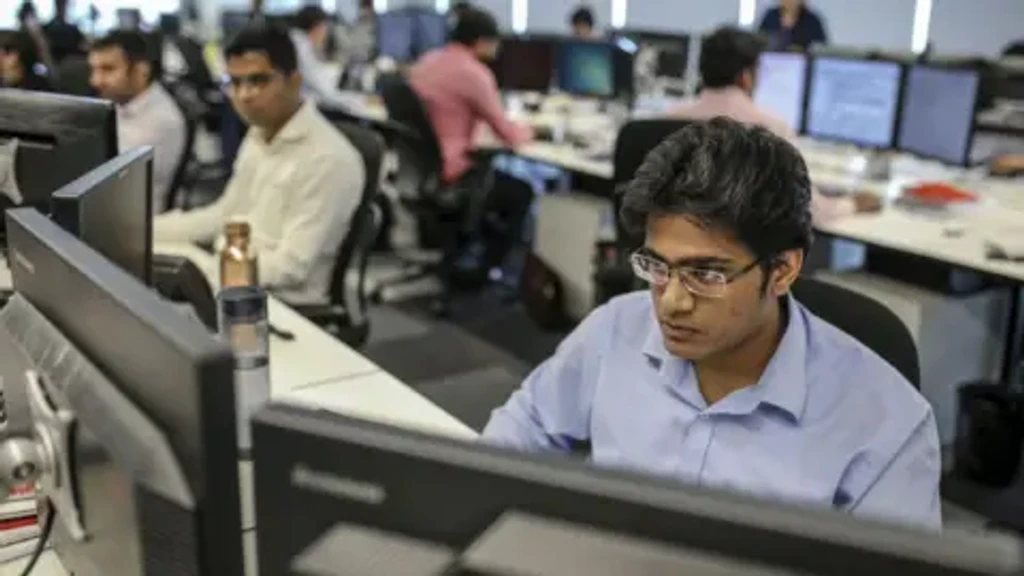
In a control room in Navi Mumbai, 100 operators monitor 30,000 ATMs-replacing 60,000 security guards. This is a microcosm of India’s broader shift toward automation, threatening middle-class livelihoods.
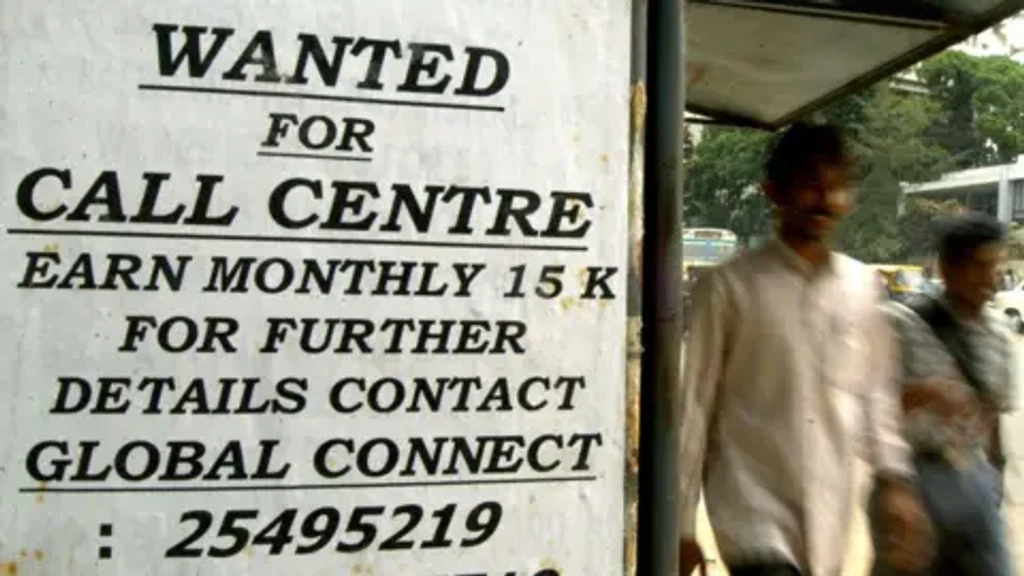
Young graduates like VS, earning just 14,000 rupees monthly, are risking everything trading Futures and Options. Over 9 million Indians follow suit, collectively losing $12 billion annually-a sum rivaling the government's education budget.
Rahul Singh, a food delivery agent, borrows to cover rent and medical bills. These are not failures-they are symptoms of a systemic crisis.
White-collar job creation has plummeted from 11% to 1% growth. AI accelerates the job losses in India’s IT services sector, where 8 million workers face retrenchment.
Niti Aayog projects that by 2031, AI could eliminate three million IT and customer service jobs. Even IIT Bombay graduates now earn less than in previous decades.
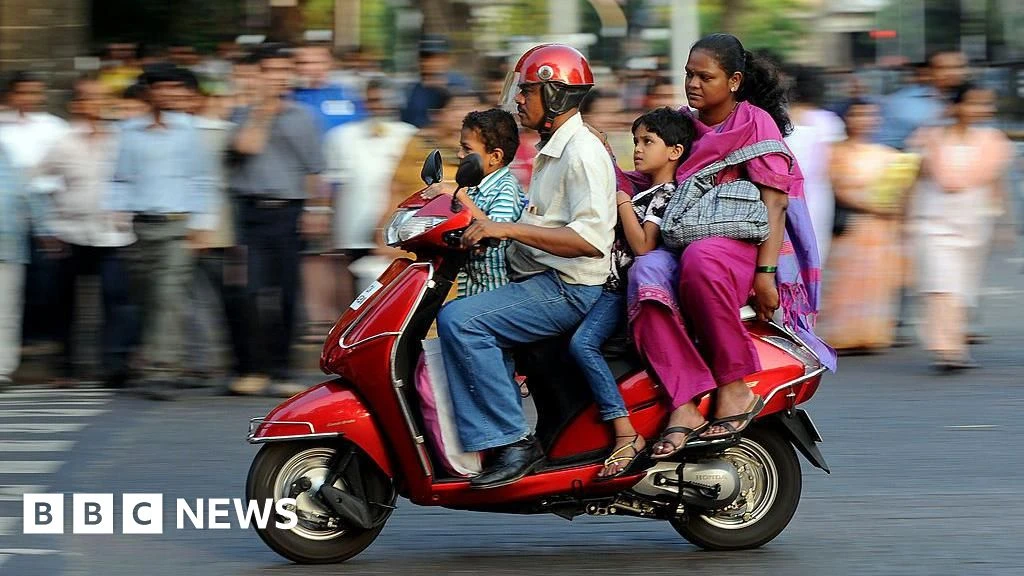
Living costs are rising faster than incomes. A vegetarian meal costs 11% more yearly; cars rise 7-8%; healthcare climbs 14%. The true cost of living doubles every eight years.
Nearly half of Indian families carry personal loans. Sixty-seven percent took their first loan before 30. Forty percent of annual income goes to repayment.
Consumption is collapsing. FMCG growth has dropped from 11% to 3%, car sales stall, and durables growth plummets.
India’s economic engine-middle-class spending-is breaking down. The very education that promised prosperity is now a liability.
With no political champion, the 40 million taxpayers remain overlooked-paying taxes for both the poor and the rich. The future of India may hinge on whether it can sustain its middle class.